Daily Consumption and Cultural Consumption
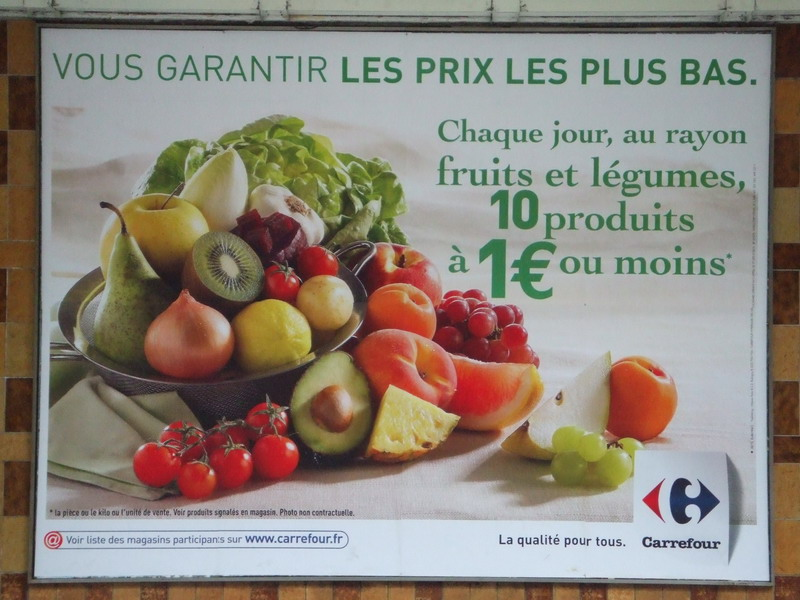
Cheap convenience store advertisements under the subway, attracting consumers.
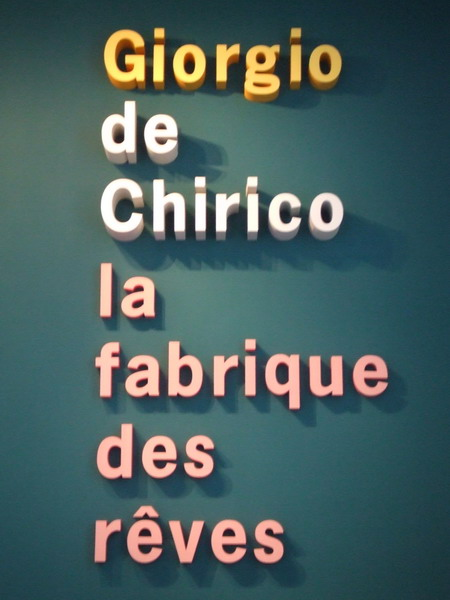
The entry fee for Giorgio de Chirico’s “The Manufacture of Dreams” is 11 euros—visiting exhibitions seems too luxurious nowadays. As the global economy enters a financial ice age and crisis, with companies and factories closing, unpaid leaves, layoffs, and unemployment rising while prices soar, people struggle to make ends meet. Governments worldwide face their most significant challenges in this century, implementing various social and economic relief policies. Taiwan introduced consumption vouchers to stimulate industry and commerce, making consumption the driving force for economic growth; France proposed massive investment plans to revitalize the employment market. Almost globally, demonstrations against high living costs and unemployment are common, reflecting societal unrest and tension that require prudent political wisdom and economic solutions. In French overseas territories like Guadeloupe, strikes and protests lasted over a month, followed by Martinique demanding a 200 euro raise. After strong union resistance, Guadeloupe achieved its demands, while Martinique continues to negotiate. Similar unrest occurs within France, where daily demonstrations are held, culminating in a major rally organized by all unions on the 19th.
Clearly, society has reached a bottleneck, with tensions ready to explode, reflected in current consumption habits emphasizing frugality over waste. With shrinking middle-class incomes and lower classes struggling for basic needs, weak purchasing power makes past unbridled consumption unimaginable. A new consumption pattern is emerging, driven by cost-effective trends. Discount supermarkets are popular, as are cheap fruits and vegetables at mobile markets. People carefully compare prices before buying, knowing every penny counts. Staple foods like potatoes and pasta dominate household spending, as do daily necessities bought during supermarket sales. Even food-loving French people must budget strictly, eating fewer meals out and opting for sandwiches for lunch. Frugality has become the lifestyle of these difficult times.
Frugality in daily consumption aims to smooth life, allowing for cultural expenses or vacations. Savings might go toward children’s tuition or other needs, each family calculating carefully. Having an arts critic press pass grants free entry to Paris exhibitions, so I never worry about ticket prices. However, recent years have seen entry fees for major shows, special exhibitions, and museums rise beyond imagination—from 5 francs to around 10 euros today. Visiting exhibitions now feels quite luxurious. Consider that 10 euros can buy 8 kg of Thai rice, five French hams, or cheese sandwiches. I truly did not know the price of rice until now; fortunately, my international arts critic pass helps. Last week, visiting two exhibitions at the Paris Municipal Modern Art Museum—ARC’s Jimmie Durham “Throwing Stones” (6 euros) and Giorgio de Chirico “The Manufacture of Dreams” (11 euros)—cost 17 euros total. Imagine the cost of attending two exhibitions weekly, plus concerts, theater, opera, and films. High cultural consumption is unimaginable, often becoming birthday or anniversary gifts, making culture the most luxurious expense today.