Graffiti on Paris Walls
Powerful graphics and text - Long live the middle class
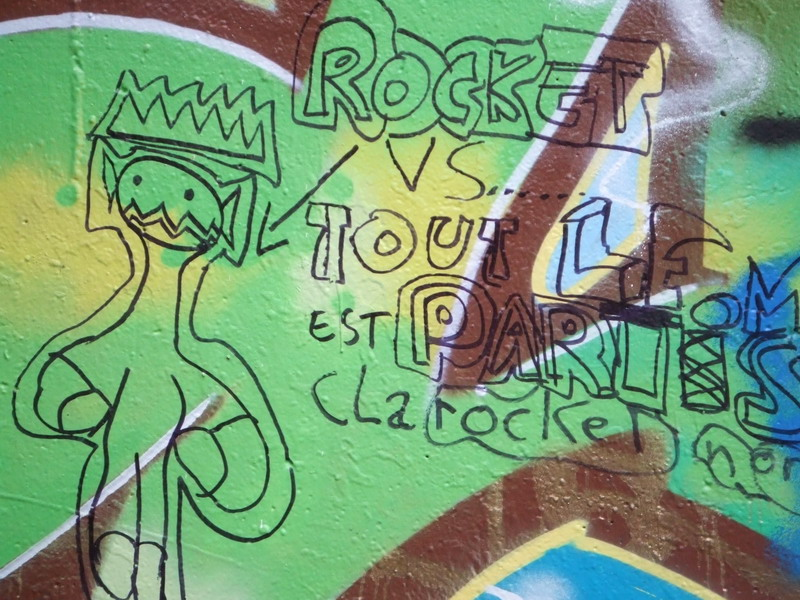
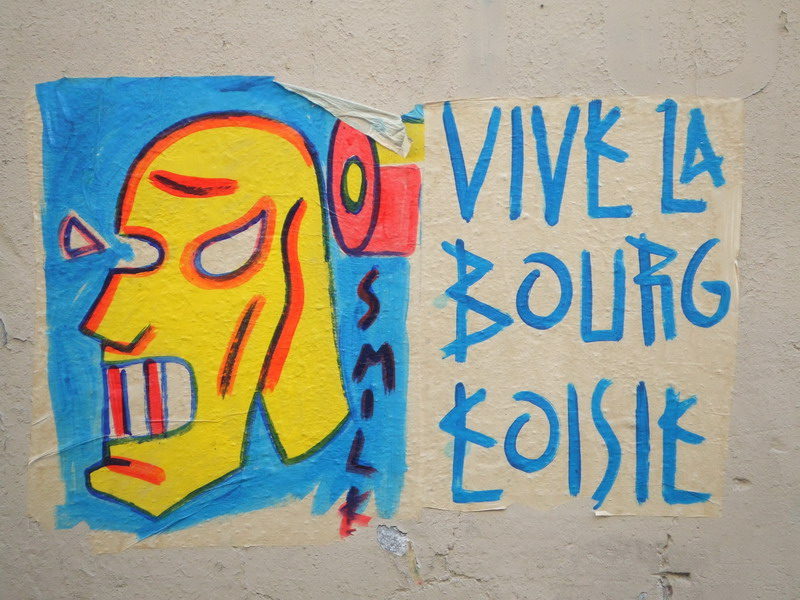
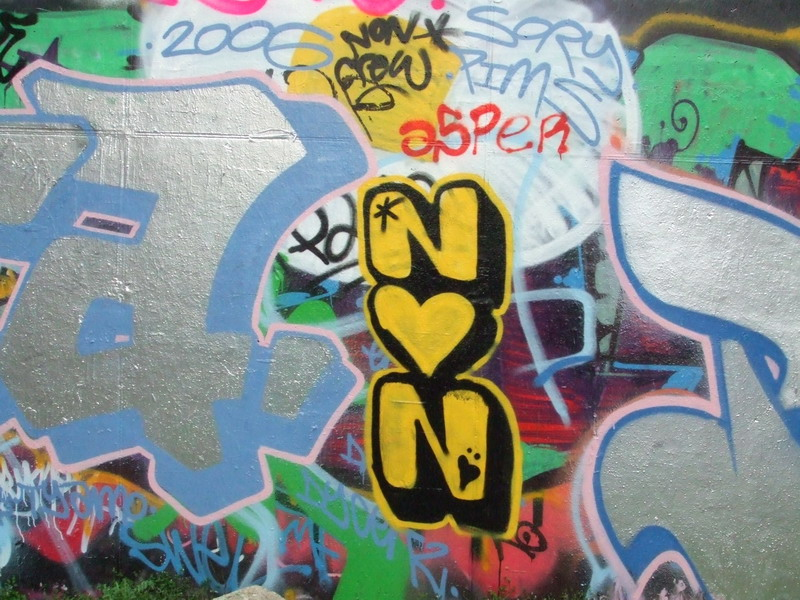
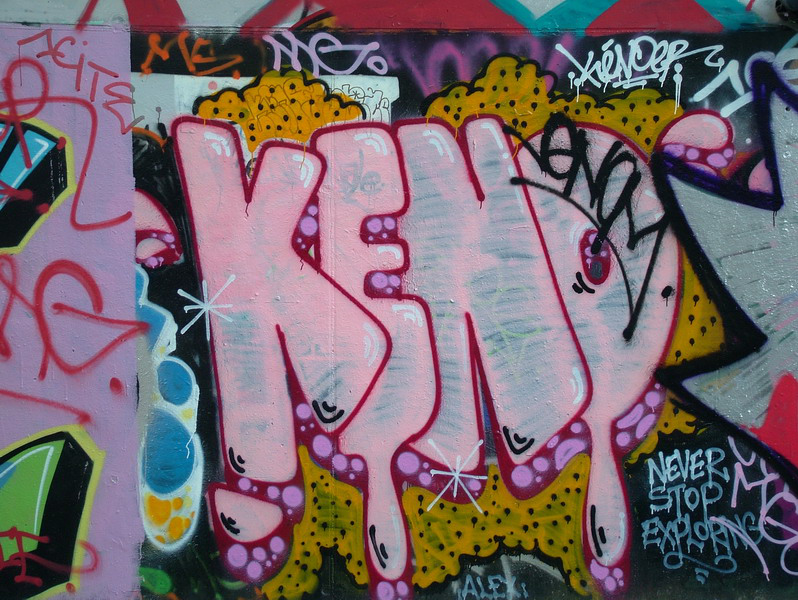
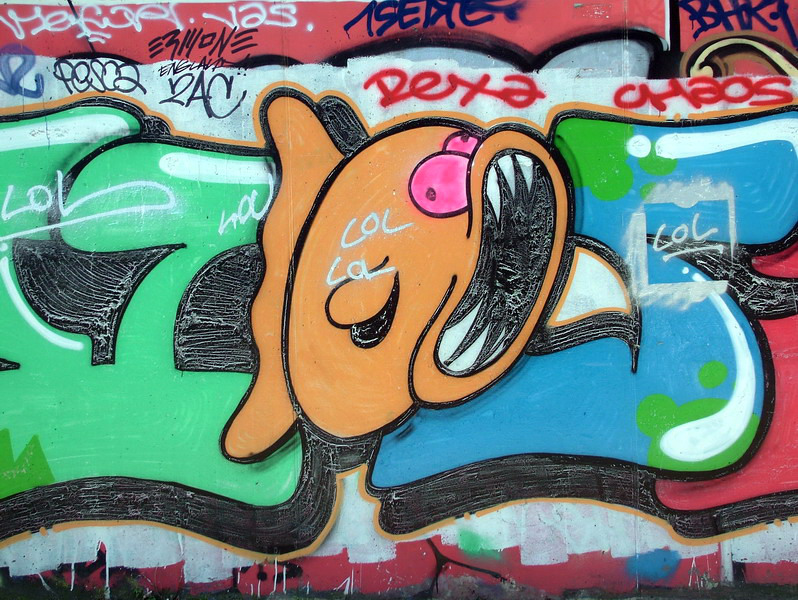
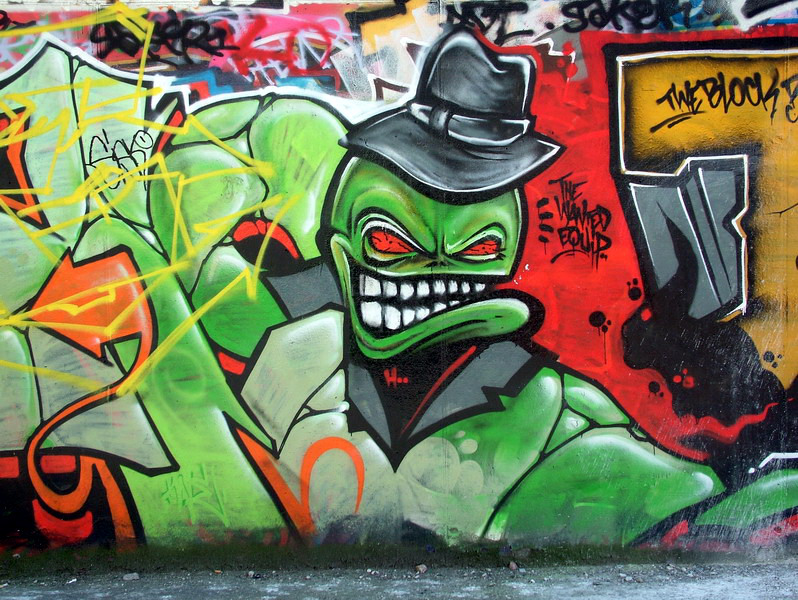
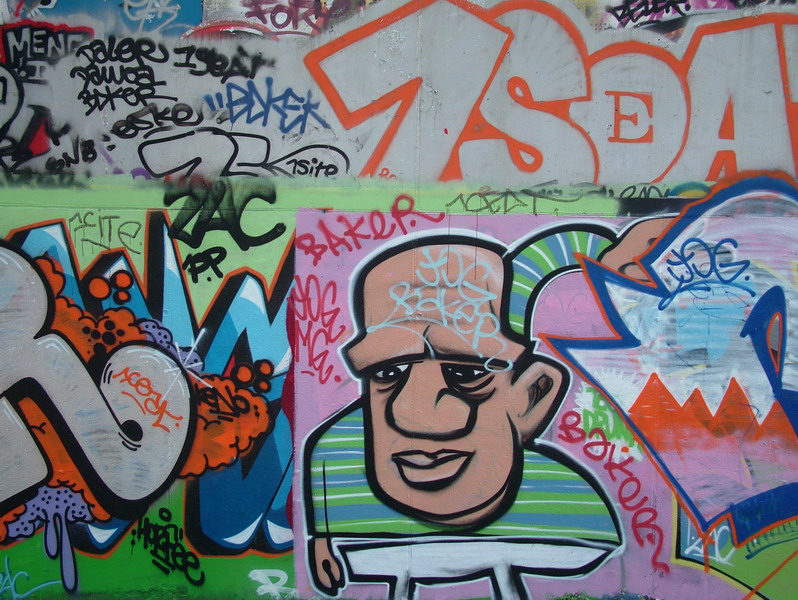
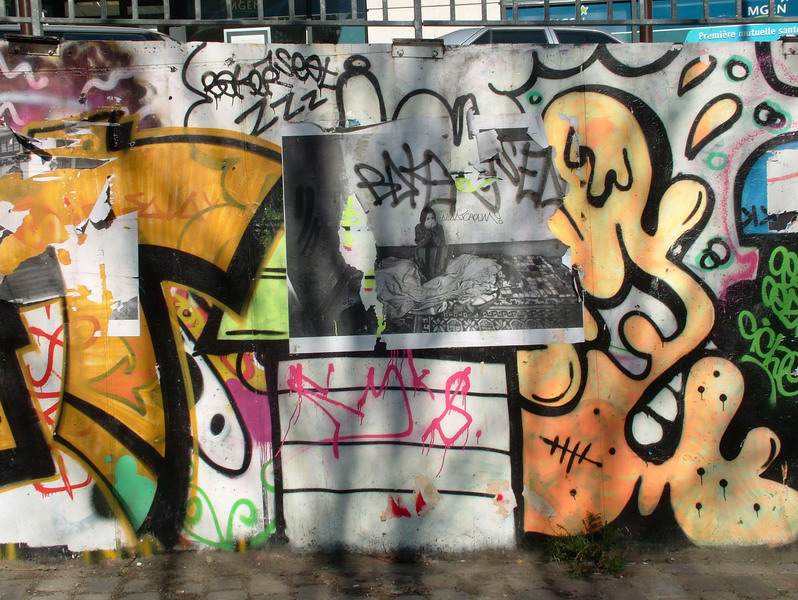
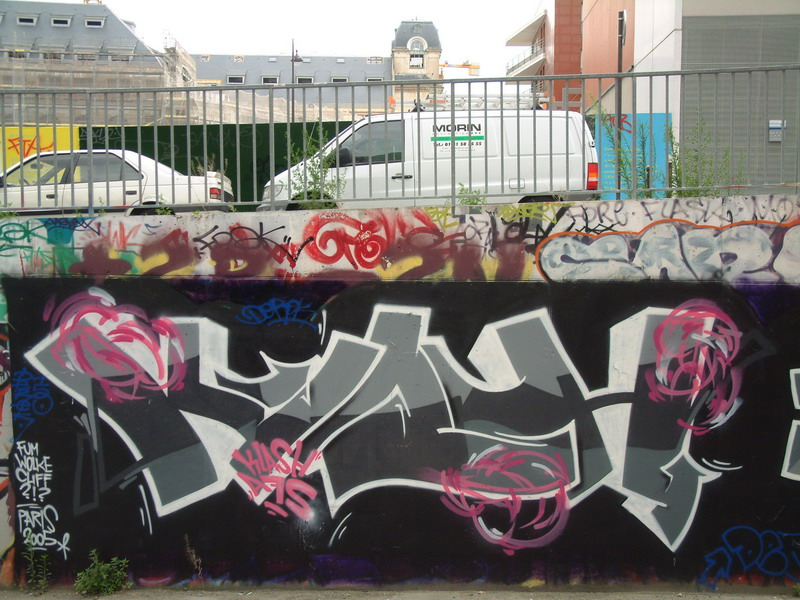
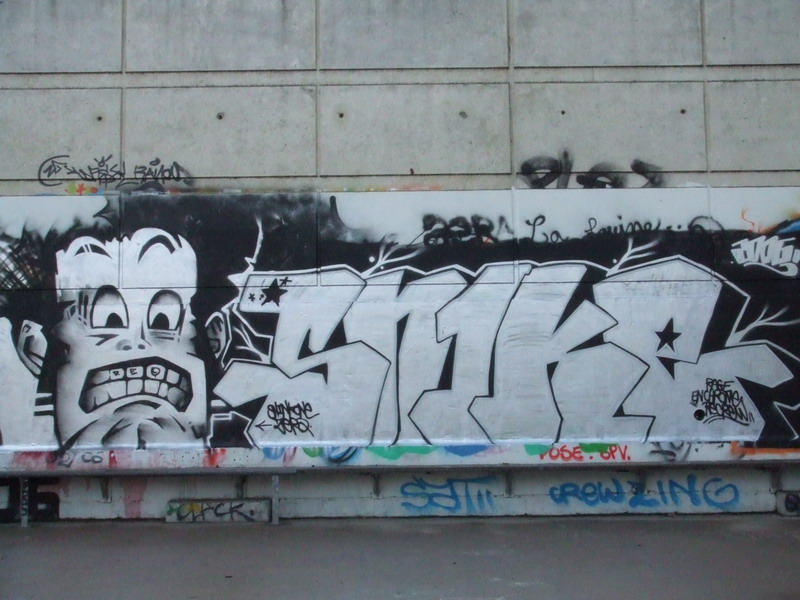
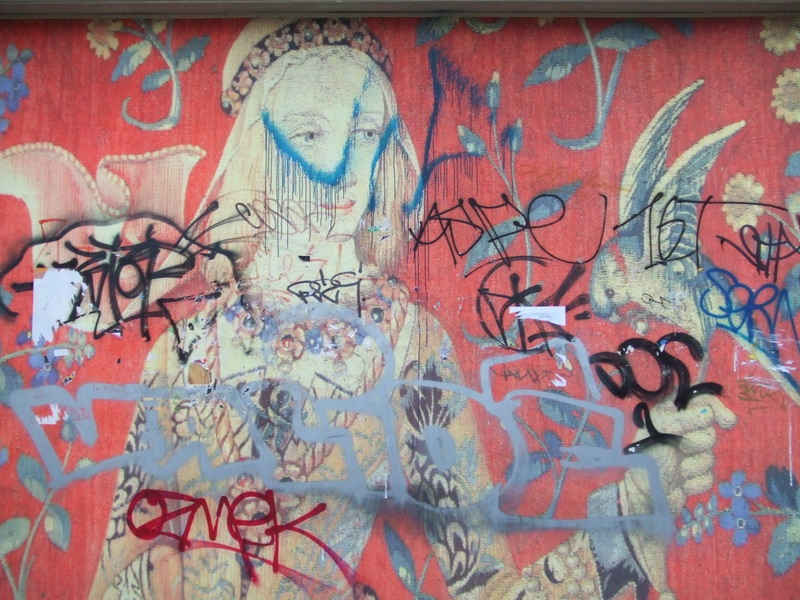
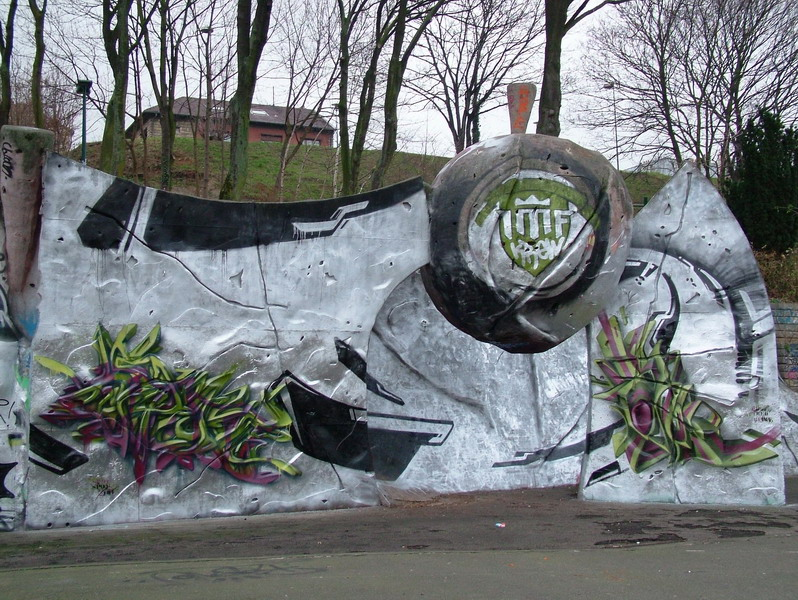
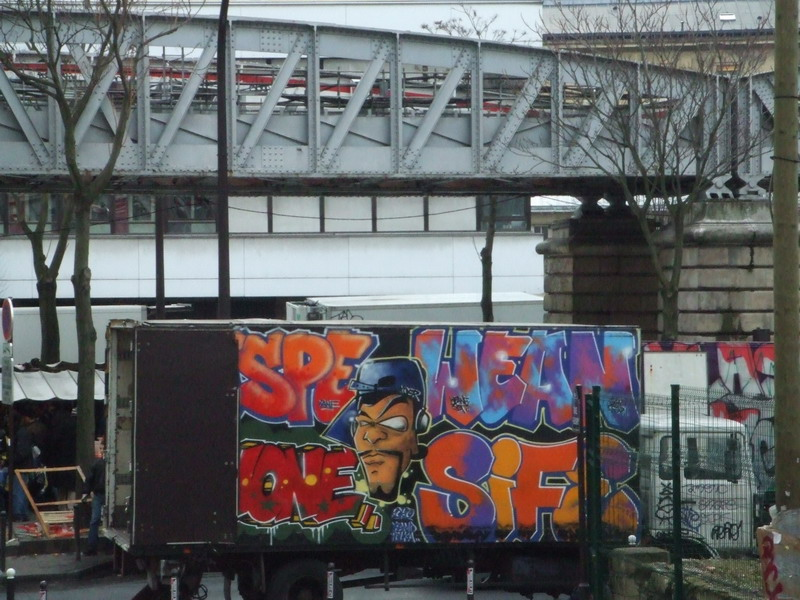
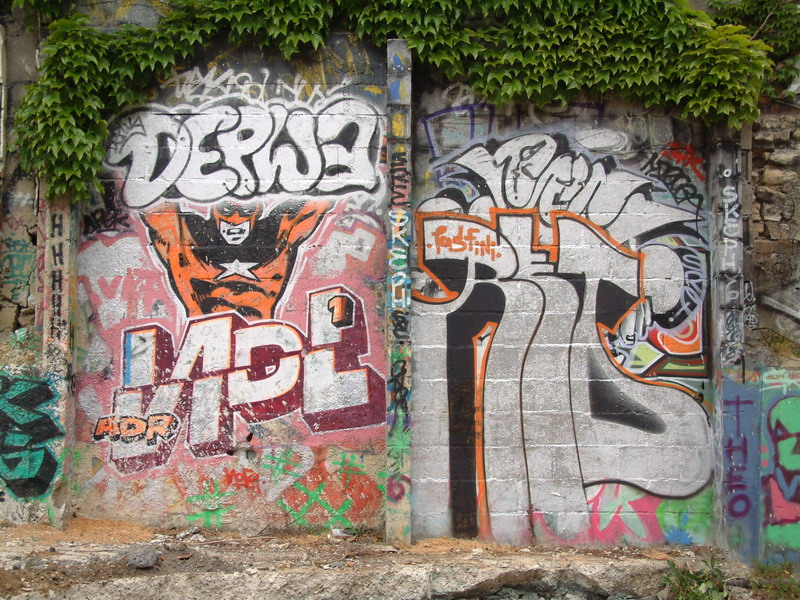
Graffiti walls are often encountered at urban corners. Wall writing is not a contemporary product; it has existed since human social life began (remember prehistoric cave totems? The Lascaux caves in south-central France are most famous). These totems, writings, and depictions serve functions of recording, transmitting, social education, and political intent, representing a shared consciousness of human society. In the 1980s, young people writing on walls in New York’s East Village made an informal declaration: “Art is not for museums, galleries, collectors, or the middle class; it should appeal to the masses and engage directly with the audience.” Graffiti frequently appears in marginal areas of society, becoming one of the symbols of urban subculture and a tool and means for conveying social, political, economic, and racial struggles. For example, past Berlin Wall, South Africa, Palestine, and Northern Ireland feature numerous walls covered in combat images. Images are the most direct tools for conveying ideology and political or social viewpoints.
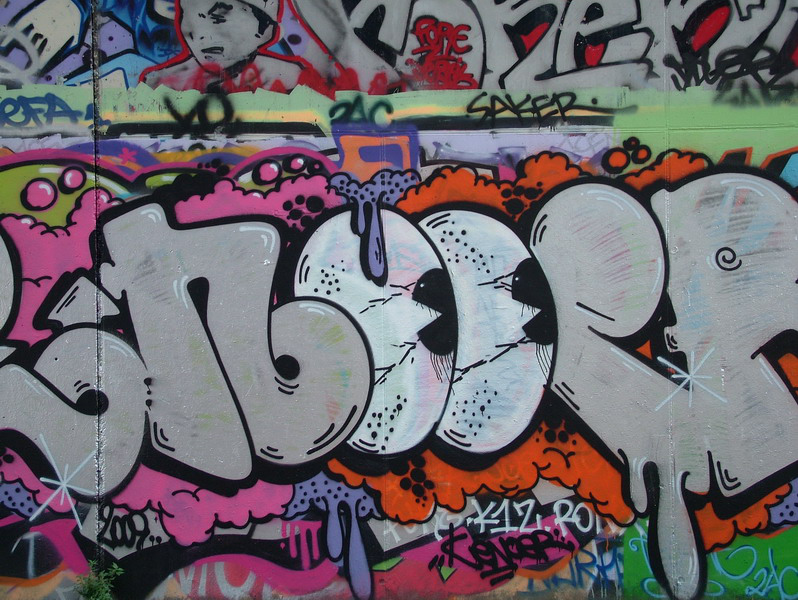
In the 1980s, wall graffiti became a method for young people to convey messages. Rising from New York, it became a new cultural product at the end of the twentieth century. Initially carrying ideological or specific social information, it quickly entered the art market system, becoming corrupted into commodities and then a trend. Spreading from New York globally, especially to public spaces in major European metropolises—subways, trains, buses, abandoned buildings, and every corner of the city—it became a scaffold for young people’s free expression. Writing became part of the urban landscape. The Berlin Wall in the 1980s was particularly spectacular and long, resembling the world’s largest outdoor museum of wall writing. Public spaces and urban corners suddenly became excellent spaces and scaffolds for young people to transmit concepts of freedom, making wall writing a manifestation of collective social behavior among the new generation. Paris was no exception. A large group of young men followed the children of New York’s East Village, taking spray paint to public places, subways, trains, buses, or various corners late at night. Construction site hoardings were especially full of graffiti, displaying images of freedom through emotional forms and strong colors (true realism being rare), consisting only of textual patterns (mostly stylized signatures of authors, becoming personal symbols), or emotionally charged writings about social events, etc. Through these graffiti, they displayed the collective social consciousness of young people.
In the 1980s, there were two relatively organized (though illegal, self-organized by artists) wall writing exhibitions in the Paris underground metro. The works exhibited at Line 6’s Dupleix station were the richest. This time, New York graffiti star Basquiat was invited to participate. The exhibition lasted only one day and one night. With thousands of passengers rushing through the subway in and out, even a casual glance achieved their purpose of exhibiting. After the 1990s, wall graffiti seemed to have gone out of fashion. Today, people can only find it in remote urban corners. Most young men engaged in wall graffiti are high school students or art students. Their graffiti is more formulaic, stylized, and decorative, becoming an act of completing assignments, losing its social tension and image connotations. Contemporary Parisian graffiti attracts attention only from curious viewers; otherwise, amidst the hurried pace of life in this metropolis, it is merely glanced over intentionally or unintentionally. In this way, it seems to have already achieved their goal of appealing to the masses and engaging directly with the audience.