Parisians' Back Garden and Others
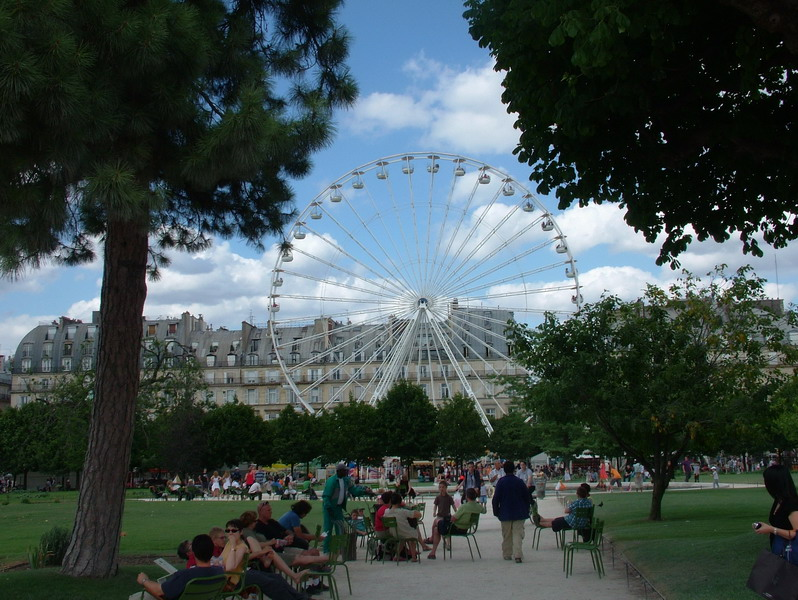
The verdant Tuileries Garden is a Parisian oasis and summer playground.
Amidst the global financial crisis, economic recession, rising prices, waning purchasing power, declining quality of life, and soaring unemployment in France this year, it is hard to imagine that many Parisian restaurants or cafés are still packed with customers (especially those in Chinatown, which line up on holidays). During July and August, when Parisians observe their sacred holidays, streets appear even more sparse and quiet, seemingly unaffected by the economic downturn. The hedonistic French love high-quality cuisine and vacations; these topics are often relaxed conversational staples in daily life. Enjoyment has become a fashionable tradition for Parisians: spending lavishly when wealthy, with consumption serving as an outlet for production. In this consumer society, frugality no longer seems virtuous, as it hinders circulation and growth. Consumption is the driving force behind societal prosperity. Does this betray the meaning of human production, leading us into a dead end? Perhaps another form of smart consumption is possible.
In past years, we spent hot summers vacationing at the Normandy coast to escape the heat. This summer, we stayed in the metropolis of Paris, living beautifully with only adjustments in schedule and mindset. When free, we gather with friends to relax, chat over coffee, visit exhibitions, exercise, or tour museums and art galleries to explore ancient civilizations and contemporary realities. Whenever possible, we unwind at Paris beaches, vibrant back gardens, or lush forests—admiring flowers, sunbathing, breathing fresh air, freeing our minds, or picnicking. As the "City of Flowers," Paris offers numerous backyards with nearby green gardens and parks, providing quiet, elegant spaces to read under the shade or spend pleasant afternoons outdoors. When distant friends visit with children, we always go to park green spaces for them to play freely, making these unique recreational areas popular among all ages.
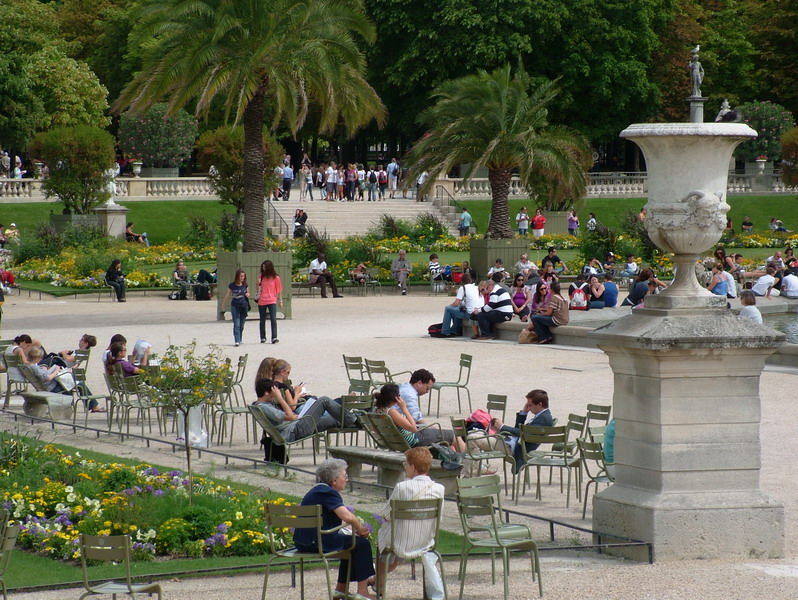
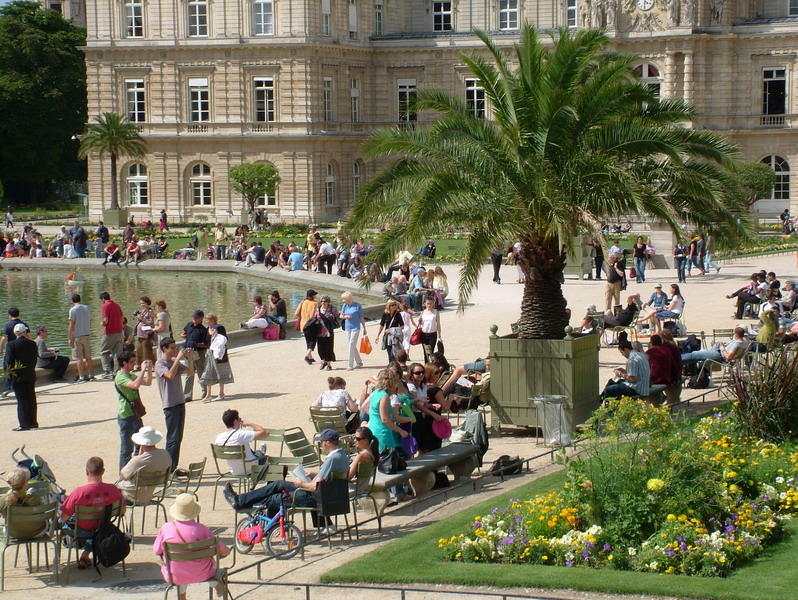
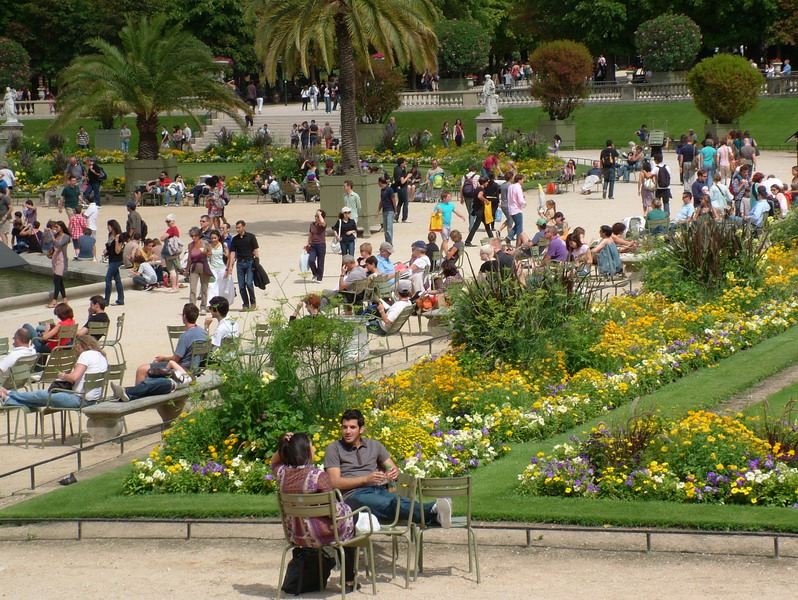
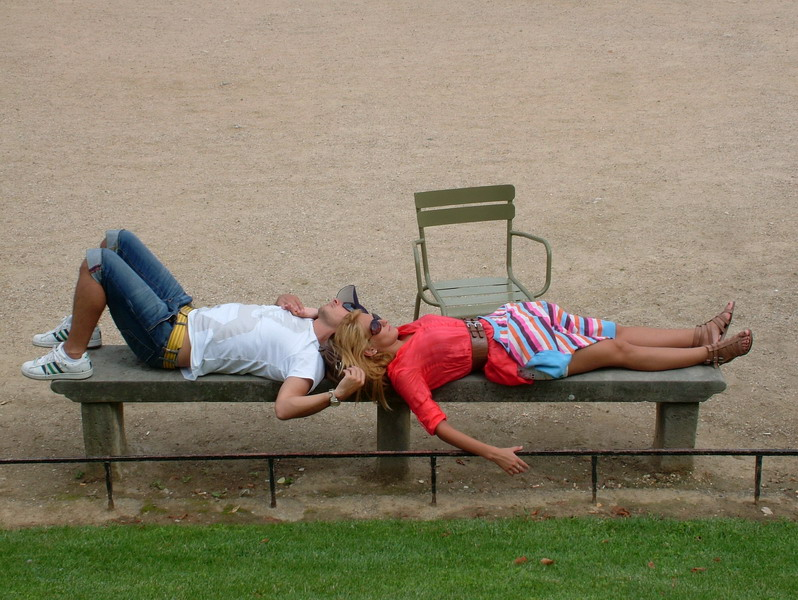
The Luxembourg Gardens and Tuileries Garden, Paris's back gardens or courtyards, are beloved leisure spots for locals and tourists alike. Crowds lounge among plants, enjoying Paris's warm sunshine, air, and unique atmosphere. With a book or newspaper on a movable chair, one can easily pass time, or simply sit, lie down, daydream, or sunbathe. Couples and butterflies are often seen expressing affection, turning these spaces into public venues for romance—a distinctively Parisian romantic vibe evident even at the Medici Fountain. Children sail small boats around the circular pool or play under the shade.
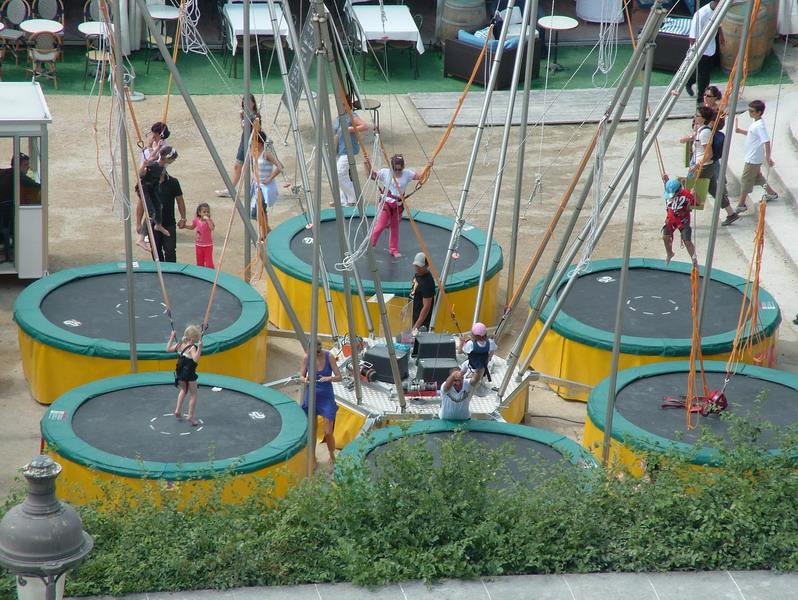
The Tuileries Garden sees constant tourist flow between Place de la Concorde and the Louvre Pyramid. Along Rue de Rivoli during summer, it becomes a Paris amusement park, attracting city children who haven't left town and curious tourists seeking fun. Parisian cultural activities do not cease during summer. Notably, the Paris municipal government hosts a free summer lecture series for retired residents covering literature, philosophy, psychology, music, and art, alongside classical and jazz concerts, heritage tours, and travel events. Embracing lifelong learning is the ultimate attitude toward life; Parisians are eager learners.