Paris in September - Cultural Heritage Day
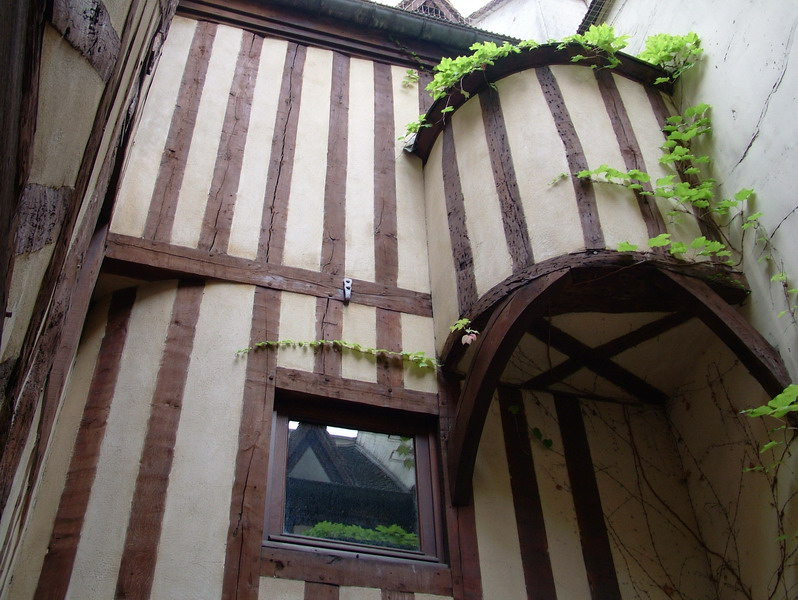
The typical medieval Ourscamp house facade in the Marais district

September days gradually feel crisp and clear. Although the weather remains sunny, mornings and evenings are somewhat cool, yet this climate is most comfortable. Clearly, there are noticeable changes between day and night; days are getting shorter and nights longer. In September, Paris’s various cultural activities become lively again. First is the annual Cultural Heritage Day. On the two Sundays of the 19th and 20th, this event, which began in Paris in 1984, has now become a ritual for visiting cultural assets worldwide. Of course, there are many places to visit in Paris, especially famous sites such as the Élysée Palace—the French President’s residence and official residences of ministers—or major royal palaces like Versailles, Fontainebleau, the Grand Palais, and the Petit Palais. Some places can only be visited during Cultural Heritage Day, always attracting thousands of visitors. For example, this year, visiting the Élysée Palace required queuing for five hours to enter, while the Ministry of Culture required three hours. The crowds were unimaginable; completing the visit required great patience and enthusiasm.
Of course, we did not join the rush. We chose unique historical scenes and stories, and accompanied by my wife, we visited the House of Gender History in the Marais district, which is usually closed to the public. During the Middle Ages, the Marais was a swampy area. In the 14th century, Charles V built walls and pavilions here. As noble residences developed, it became a fashionable residential area for nobles and the middle class by the 17th century. It gradually declined in the 19th century but was restored under heritage protection clauses in the mid-20th century, becoming today’s prosperous tourist and commercial district. Thus, this area is full of historical monuments and cultural anecdotes, such as the famous Place des Vosges, the Victor Hugo Memorial, the Picasso Museum, the Carnavalet Museum, and the Sully Residence, as well as the Maison Européenne de la Photographie and Cité de l’Architecture et du Patrimoine. The Marais is an artistic district. Besides museums, many important galleries surround the Picasso Museum. Numerous unique shops, cafés, and restaurants, along with an authentic Jewish street and churches, make it a favorite area for leisurely strolls.
The Marais district has endless little historical stories, often hidden beneath grand narratives and unknown to people. This Cultural Heritage Day was the best time to discover them. We unexpectedly visited the house of Marie Touchet. I did not know who this hostess was at the time. Her house is a medieval building constructed from blocks of the Louvre, hidden among apartment buildings. According to the guide, we learned that Marie Touchet was the mistress of Charles VII, and this house was where the king kept his “beauty in a golden cage.” Next, we went to the Ourscamp House, a medieval building (now the office of the Historical Monuments Association), which served as the Paris storefront and lodging for the Ourscamp religious monastery. The spacious hall features orderly wooden beam crossbars; the basement arches are not small, serving as past storage rooms. Climbing the spiral wooden stairs upstairs, we arrived at a courtyard with medieval-style striped wood walls. These were things we could hardly imagine, witnessing the grandeur of civilization on this Cultural Heritage Day.
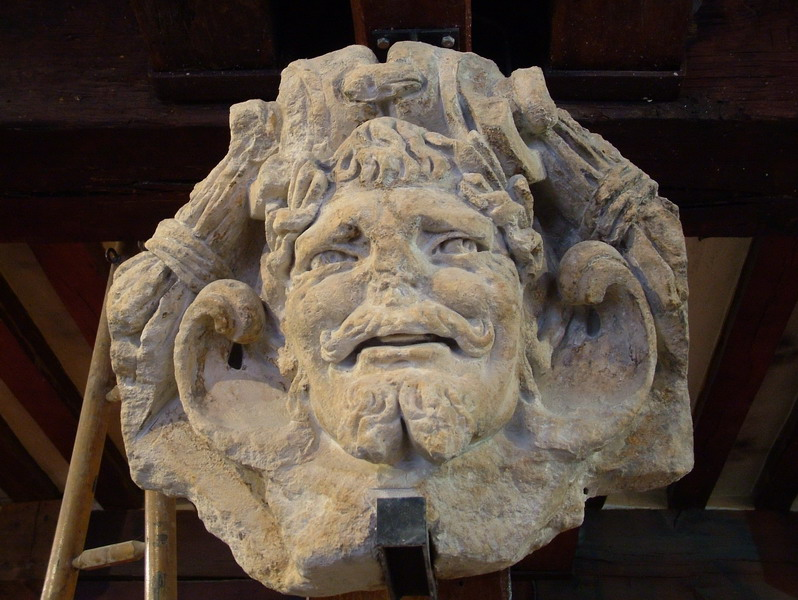
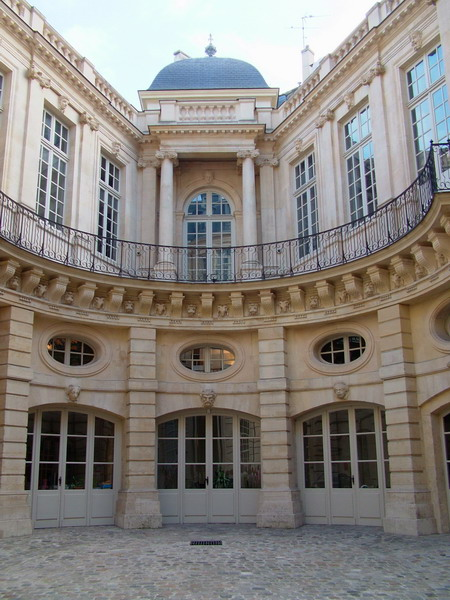
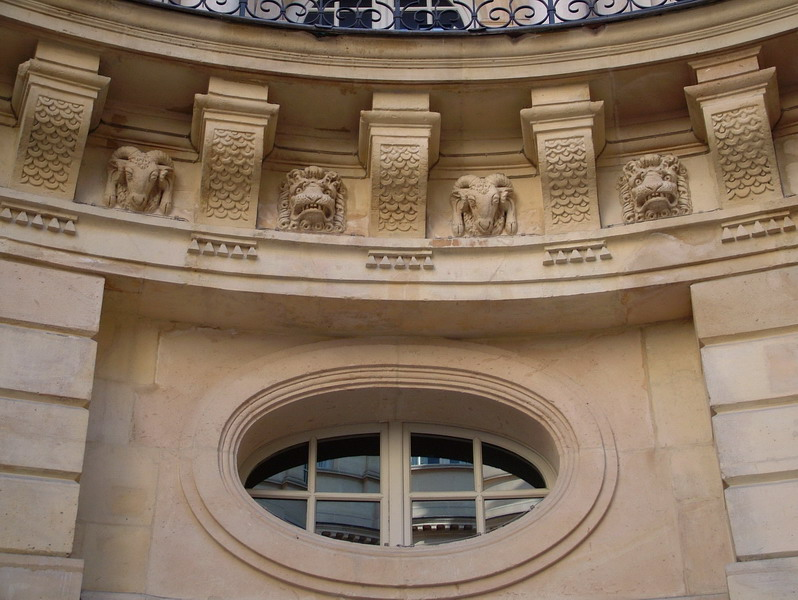
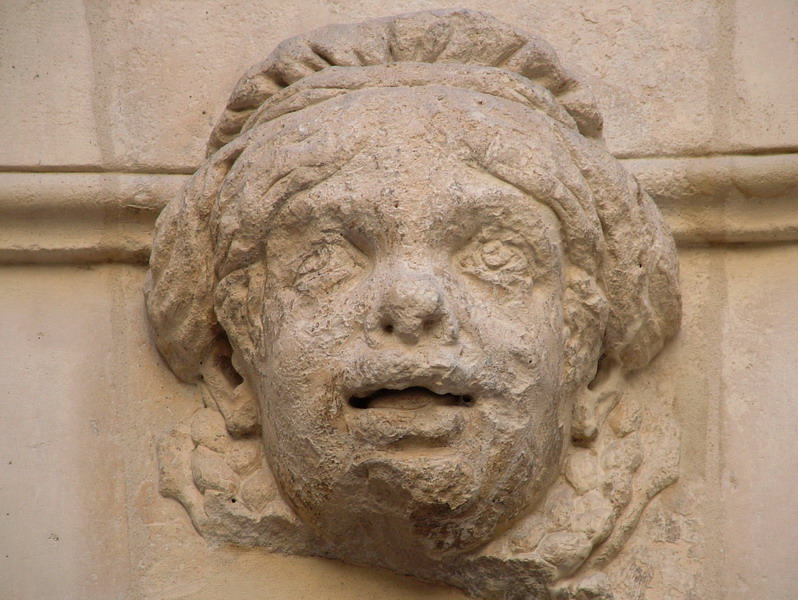
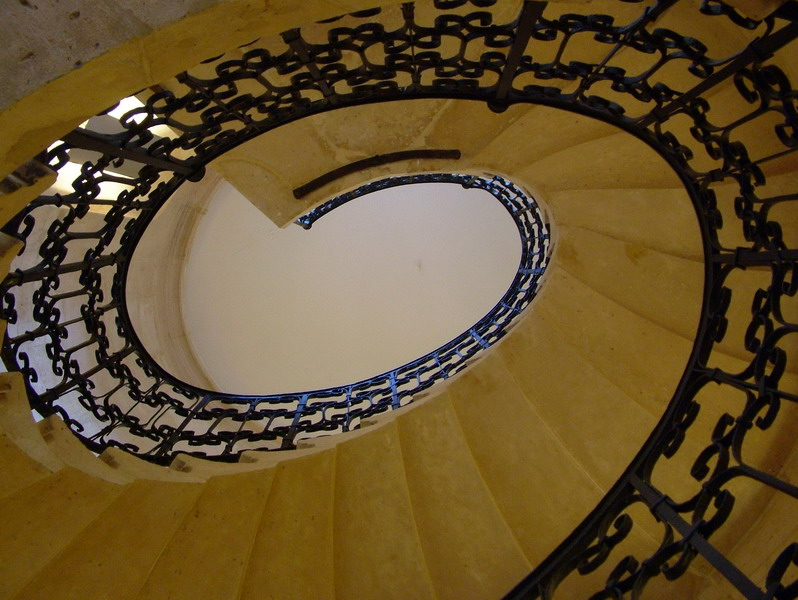
Next, we came to the most beautiful and famous Beauvais Residence, a noble building from the Louis XIV era. A perfect group of architecture, the courtyard is exquisitely complete, oval in shape. The eaves are beautifully decorated with carved head portraits of the Beauvais owners. According to the guide, the ugly female statue is the owner, Madame Beauvais. She was extremely wealthy and had many lovers. The Sun King once held a grand banquet in the first-floor hall. The owner was a prominent Paris merchant who, being very close to the king and royalty, was granted the title of Duke by the king. These details can be seen in the intricate patterns showing the letters of the ennoblement. Now, this pavilion serves as the Paris Administrative Court. Finally, guided by judges explaining the administrative items and functions of the court, we concluded this journey through cultural assets.