Transcending Borders: The Riverside Photography Biennale
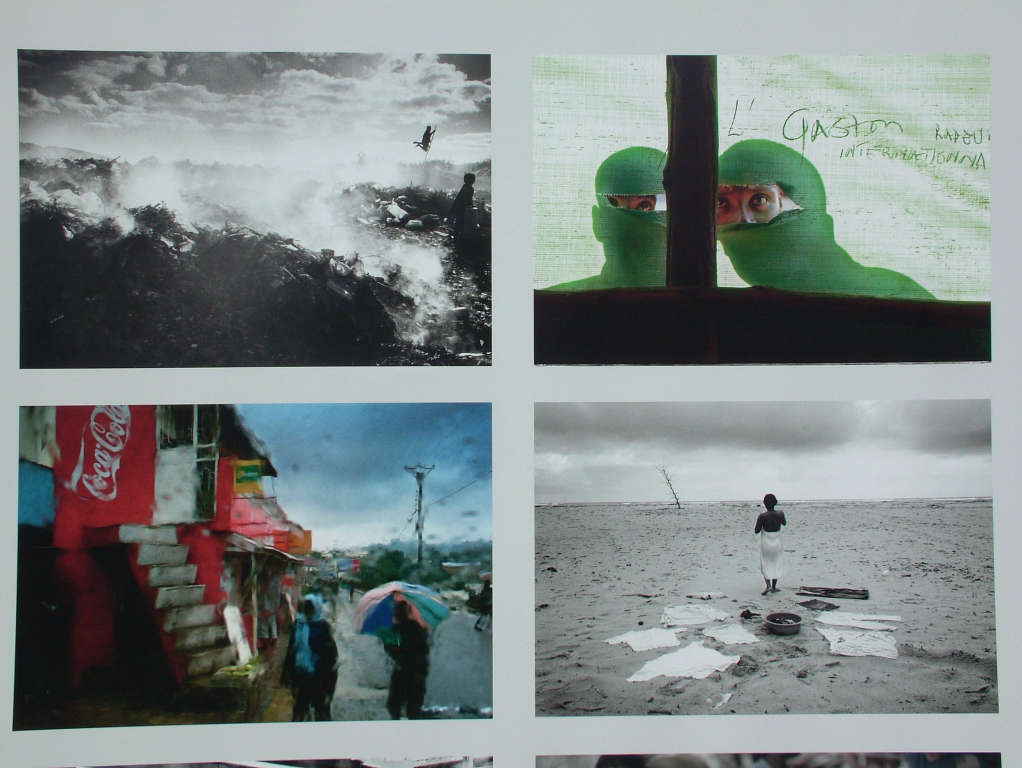
Madagascar Pierrot Men Market Series 1998
The "Transcending Borders" Riverside Photography Biennale, held from September 22 to November 22 at the Quai Branly Museum, is organized by the museum dedicated to cultural dialogue and non-Western art. Exhibited outdoors along the Seine (hence "Riverside"), this non-Western photography biennale was founded in 2007. Its mission is to attract non-Western cultural exchange and expand worldviews, proving vibrant creativity through diverse photographic perception. It aims to open panoramic horizons for Western audiences, revealing the uniqueness of local identities within globalization and fostering racial harmony through cultural exchange.
The biennale’s intent aligns with D.H. Lawrence’s view that each continent has its own spirit and place. In a globalized era, local perspectives are the most original vocabulary. As French artist Ben stated, the next artistic revolution involves embracing one's own language, culture, and race. "Difference" becomes an indispensable asset and identity, fueling artistic creativity. This year, curated by Anahita Ghabaian Etehadieh of the Iranian Photo Gallery, the exhibition features 50 photographers from 32 non-Western countries, including South America, Latin America, Oceania, Northeast Asia, Southeast Asia, the Middle East, and Africa. Each photographer presents deep local sentiments, addressing daily life, humanities, society, environment, and politics through poetic, emotional, metaphorical, symbolic, critical, conceptual, ideological, and historical lenses.
Mexican Daniela Edburg’s surreal "Let Death Be Luxurious" series satirizes mass culture and female consumerism under a new feminist perspective, depicting scenes like the death of cotton swabs or eating pastries to death. Jeronimo Arteaga’s documentary series on San Luis Potosi analyzes survival conditions in desert poverty, where faith becomes a primary value. Peruvian Morfi Jimnez’s "Inner Light" series records rural farm life through black-and-white photographs (some hand-colored), conveying strong local sentiment amidst modernization conflicts. Another Peruvian photographer, Pablo Hare, explores public space through minimalist statues, such as his "Monument" series. Brazilian Julio Bittencourt documents São Paulo’s homeless occupying abandoned buildings in "View from Window No. 911 Prestes Maia Avenue," highlighting marginalized urban existence.
Chinese photographer Meng Jin constructs landscapes to explore historical and memory spaces. Her experimental "Rooms and Views" series reveals political monuments through windows in dilapidated dormitories, showing collective history imposed on daily life. Lu Guand, a key Chinese photojournalist, exposes environmental destruction since 1995; his "Environmental Pollution" series reveals China selling the environment for economic gain. Japanese Masato Seto’s "Picnic" series depicts couples in Tokyo’s Yoyogi Park, capturing private moments. Hiromi Tsuchida’s black-and-white "Dense Crowds" (1976-89) and color series (1995-2004) document crowds during holidays and leisure, metaphorizing collective consciousness and alienation in virtual societies.
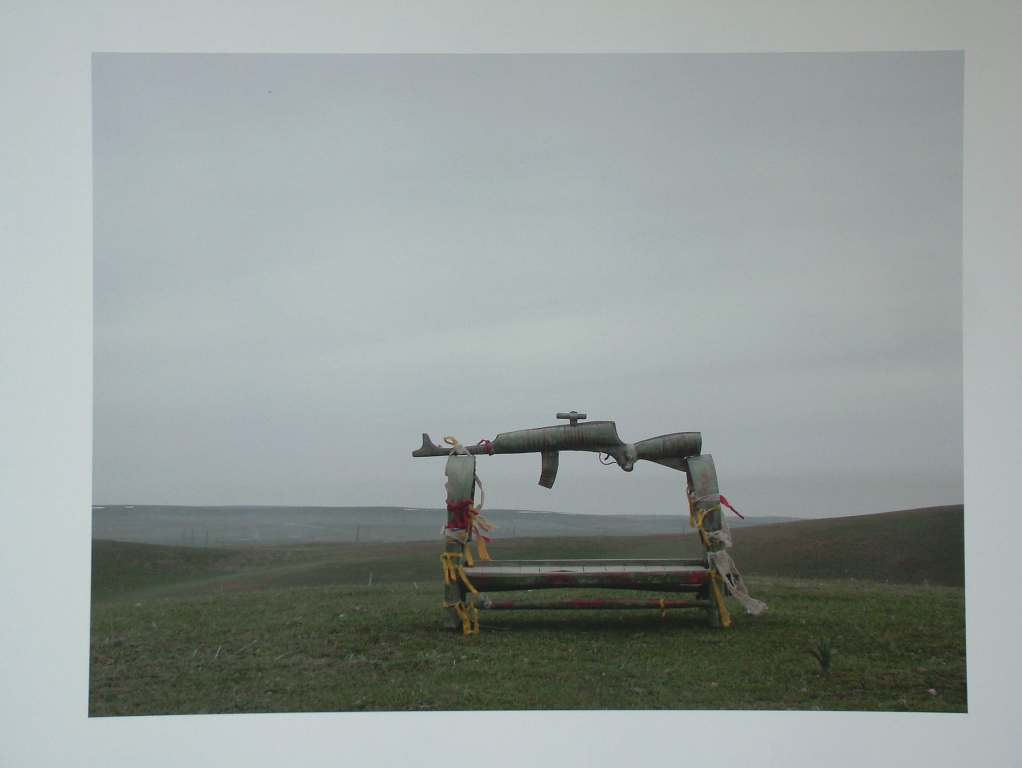
Korean Chuha Chung documents post-industrial beach scenes near industrial zones. Malaysian Nadiah Bamadhaj explores shared memory through collage-style works mimicking contemporary styles. Filipino Jake Verzosa records 300 ethnic minorities in Southeast Asia, seeking similarities in their socio-cultural practices. Armenian Anahit Hayrapetyan’s "Disaster of War" series portrays parents whose sons died in the Artsakh conflict (1988-1994). Karen Mirzoyan’s "Armenia-Turkey Border Journey" series highlights hidden suffering and crisis. Kazakhstani Said Atabekov uses photos to show modern signs in remote areas, referencing Marco Polo’s Silk Road journey in "All Roads Lead to Rome." Azerbaijani Sanan Aleskerov documents environmental changes with a poetic, lonely atmosphere. Malagasy Pirrot Men’s "Street" series captures simple village life with rich emotion.
Greek-Turkish Myrto Papadopoulos’ "Kale" series explores isolated Romani communities living in caves, hiding poverty behind colorful interiors. Tunisian Mouna Karray’s "Identity Adventure" series questions personal identity through role exchange. Iranian Katayoun Karami uses self-portraits in "On the Other Side" to explore gender relations through binary oppositions. Abbas Kowsari’s "Tones of Water" series condenses color and depth into monochrome-like paintings, guiding viewers into contemplation. Gohar Dashti’s "Life and Today’s War" depicts young couples in war-torn Iran/Iraq, reflecting on traumatic history.
Moroccan Lamia Naji’s "Dizzy" series presents plain images hiding anxiety and hope after grief. Egyptian Nermine Hamman’s "Deification" series evokes classical religious painting with sacred imagery. Indian photographers Atul Loke (“Mon Chawl”) and Sooni Taraporevela (“Les Parsis: Les Zoroastries”) humorously record intimate daily life in Bombay. Hawaiian Jan Becket’s "Makua" series exposes trauma in Makua Valley caused by WWII military occupation. Australian Brook Andrew’s "Wiradjuri Territory of Three Rivers" challenges colonial history using Indigenous mythology. New Zealander Joyce Campbell’s "Last Light et Ica Falls" documents Antarctic ice melt due to global warming.
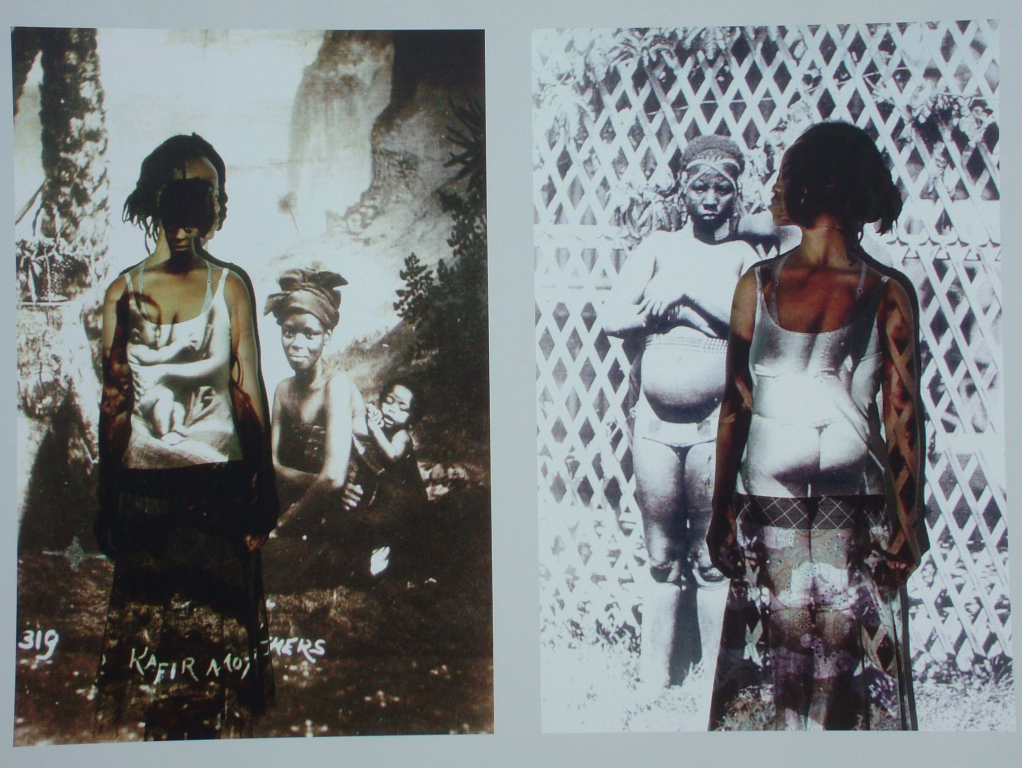
South African Ila Godfrey reports on social unrest in "Crime Scene." Nomusa Makhubu’s "Iso Eliphandliwe" series explores identity and history using historical black-and-white photos to transcend racial barriers. The rise of Middle Eastern art, particularly Iranian contemporary art, is highlighted by the museum’s special exhibition "Iranian Photography: 165 Years," showcasing portraits from the 19th century to the Iran-Iraq War period.