The Vienna Secession
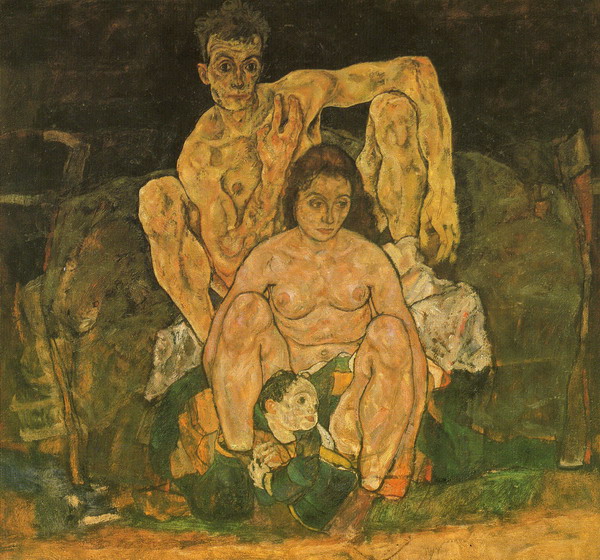
Egon Schiele, Family of the Artist, 152.5x162.5 cm, 1917-1918, Collection of the Österreichische Galerie Belvedere, Vienna
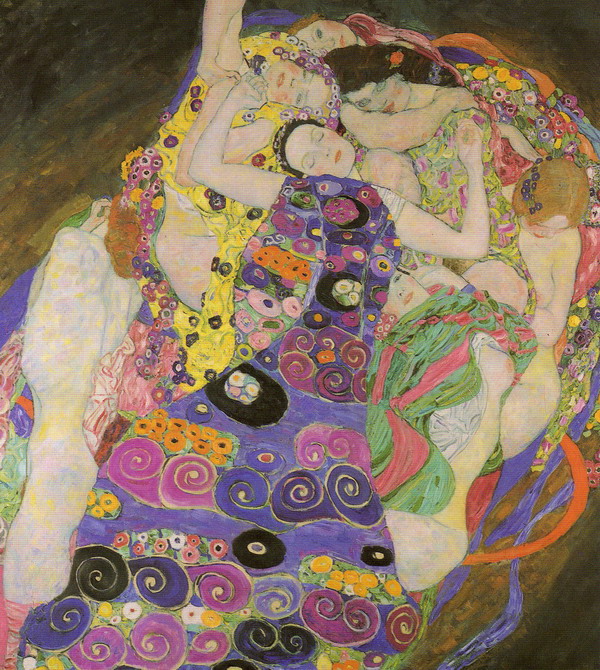
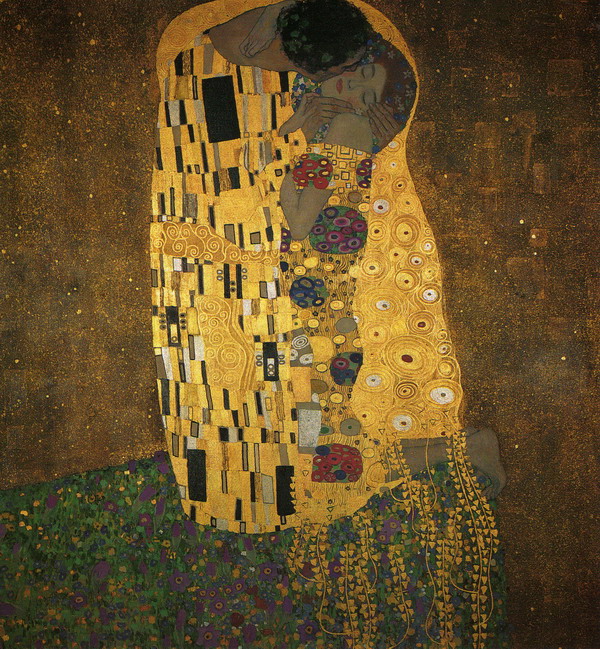
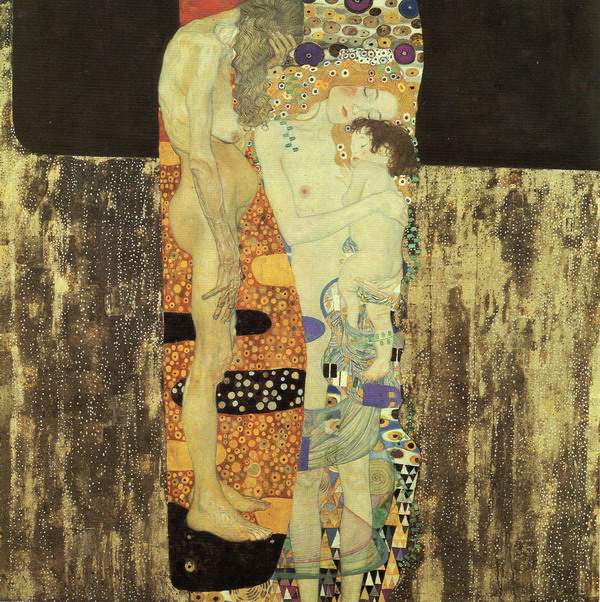
Text and photos by Chen Chi-Hsiang. The Vienna Secession (Vienna Secession) (1897–1915) was a famous artists' organization that emerged during the Art Nouveau movement, established in the late 19th century by the Viennese art world's "Artists' Association," which was dominated by academicism. In 1897, a group of artists, architects, and designers in Austria's capital, Vienna, declared their break with traditional aesthetic views and parted ways with orthodox academic art, thus calling themselves the Secession. They advocated innovation, pursuing the "practicality" and "rationality" of expressive function, emphasizing individual personality in style while striving to integrate with modern life, creating a new style. Their slogan was "For the Age's Art—Freedom Due to Art."
The Vienna Secession was a branch of the European Art Nouveau movement, inspired by Ernst Haeckel (1834–1919), the German biologist-scientist, whose immortal work Kunstformen der Natur (Art Forms of Nature) provided inspiration and influence through illustrations vividly embodying the forms and beauty of the biological world. When Art Nouveau reached Vienna, it became known as the Secession; characterized by strong decorative qualities and adherence to aestheticism, it held that the experience of beauty is the highest form of human experience. Secessionist art tended toward diverse personal styles and lacked a clear manifesto; thus, in a narrow sense, it refers to the Vienna Secession organization, while broadly speaking, it refers to a group of artworks with similar ideas and types. The Secession covered fields such as painting, design, architecture, and decoration.
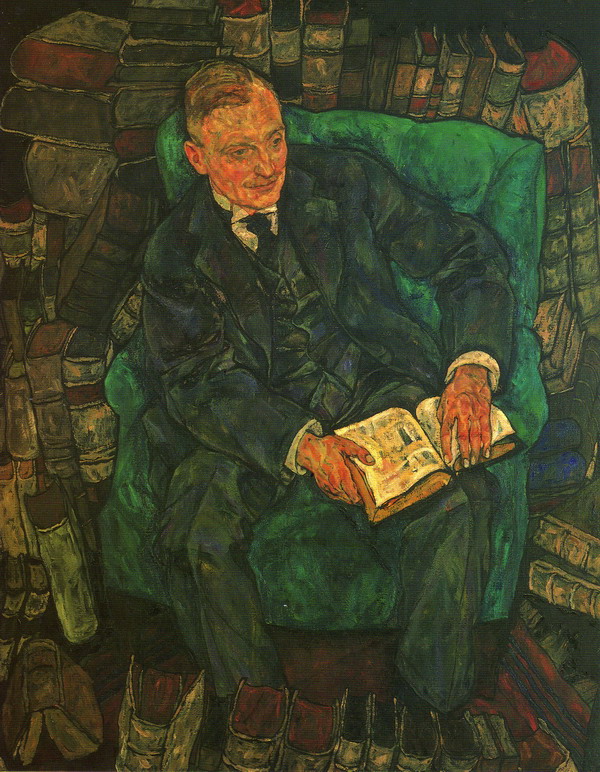
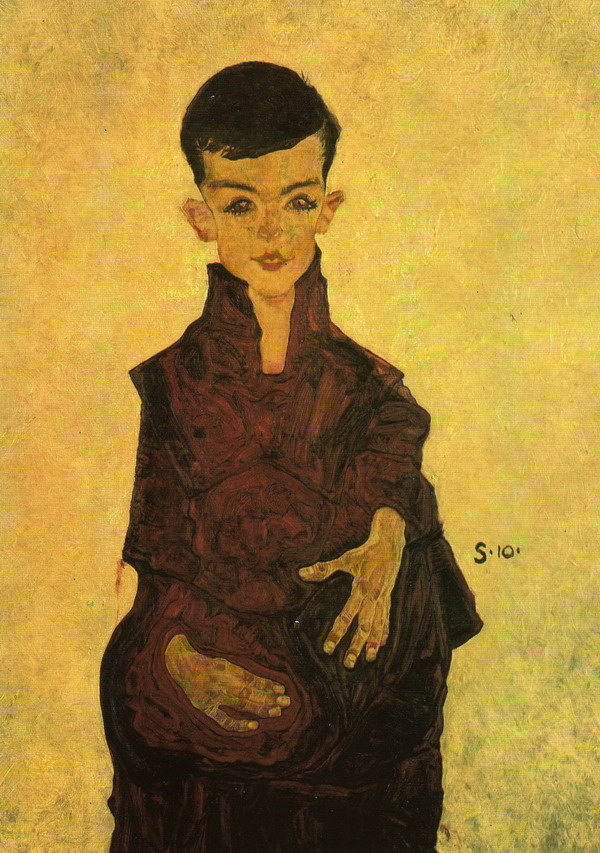
Representative painters of the Vienna Secession include Egon Schiele (1890–1918), another representative painter of the Austrian Secession in the early 20th century. Full of rebellion and intense awareness of life, he subverted Vienna's traditional aesthetics and experiences, becoming famous for his innovative, strongly expressive figures and distorted bodies. Under the charm of subjective limbs, textural lines, and color application, he touched upon inner tremors, revealing a sensibility, introspection, intense desire (full of sexuality), and an unsettling feeling of existential misery that fascinated viewers. His themes revolved around figures touching the depths of the soul, female nudes or semi-nudes (alluring poses), numerous self-portraits, portraits, and a few landscape and architectural paintings. The figures he painted appeared decadent, with ambiguous expressions and anxious eyes, making viewers uneasy. His works were full of intense, rich emotions and were highly sensual. Finally, Schiele entered the realm of pure Expressionism.