The King’s Garden of Versailles, Part One
(Top image) Statue of Jean-Baptiste La Quintinie, France's peerless horticultural expert. The King's Garden is located within the National School of Landscape Architecture. Its greenhouse is the oldest in the world. The garden set against the backdrop of Saint-Louis Cathedral. Everyone knows Versail

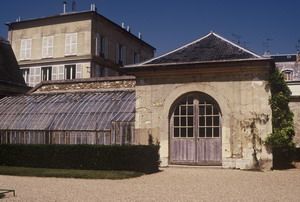


(Top image) Statue of Jean-Baptiste La Quintinie, France's peerless horticultural expert. The King's Garden is located within the National School of Landscape Architecture. The greenhouse in the King's Garden is the oldest in the world. The King's Garden with the Saint-Louis Cathedral as its backdrop. Everyone knows Versailles and also knows about King Louis XIV...
Everyone knows Versailles and also knows about King Louis XIV's luxurious banquets and ostentatious displays, but who knows what sumptuous delicacies were on the table during the Sun King's lavish feasts? Besides rare mountain treasures and sea delicacies, which vegetables and fruits did Louis XIV favor? Moreover, where did those vegetables and fruits on his plate come from? The answer lies in the King's Garden of Versailles.
Anecdotes of the King's Garden: This vast, lush vegetable garden has produced continuously for over three hundred years. It was built in 1678 at the invitation of Louis XIV, a gourmet enthusiast, who invited Jean-Baptiste La Quintinie (1624-1688), France's peerless horticultural expert. La Quintinie was the most creative gardening genius in French horticultural history. He studied law but loved horticulture, becoming Louis XIV's chief horticultural expert. Before this, he had been the horticultural expert in one of the most prestigious castles near Paris. The King's Garden is not inside Versailles Palace itself, but behind the lush orange groves, nestled in the verdant woods by the scenic Lake Suisses, with Versailles Palace Cathedral to the left as a backdrop. At that time, this area was a swamp. The entire garden was filled using leftover stones from the castle and fertile soil from nearby, taking five whole years to complete. Under La Quintinie's management, fertilization, and irrigation, it became fertile farmland.
The rich vegetables and fruits consumed by Louis XIV have always been the freshest, best, largest, and sweetest. However, early on, the alkaline nature of the limestone soil caused uneven fruit yields. La Quintinie ingeniously applied the most advanced planting techniques, using plant cuttings to neutralize the alkalinity and horse manure as fertilizer, achieving optimal results. When visiting the King's Garden, people will notice that all fruit trees (especially pear trees) have knobby trunks, yet they grow tall, lush, and bear abundant fruit.
To cater to the king's whims, exotic flowers and fruits were indispensable alongside the rich delicacies. For Louis XIV, vegetables and fruits had no seasonality; if he craved something on a whim, that is what he got. Thus, the world's earliest greenhouse was born here. La Quintinie combined various scientific technologies to create a microclimate in the greenhouse, cultivating various seasonal produce: strawberries, pineapples, and melons (all introduced from North Africa, with Europe's earliest strawberries produced here) in December; lettuce in the freezing snows of January; figs in early summer. Additionally, Louis XIV enjoyed coffee (this is Europe's earliest coffee production site; it is said that South American coffee was introduced from the King's Garden), which is truly hard to imagine.