"Not All That Is the Same Is Identical"
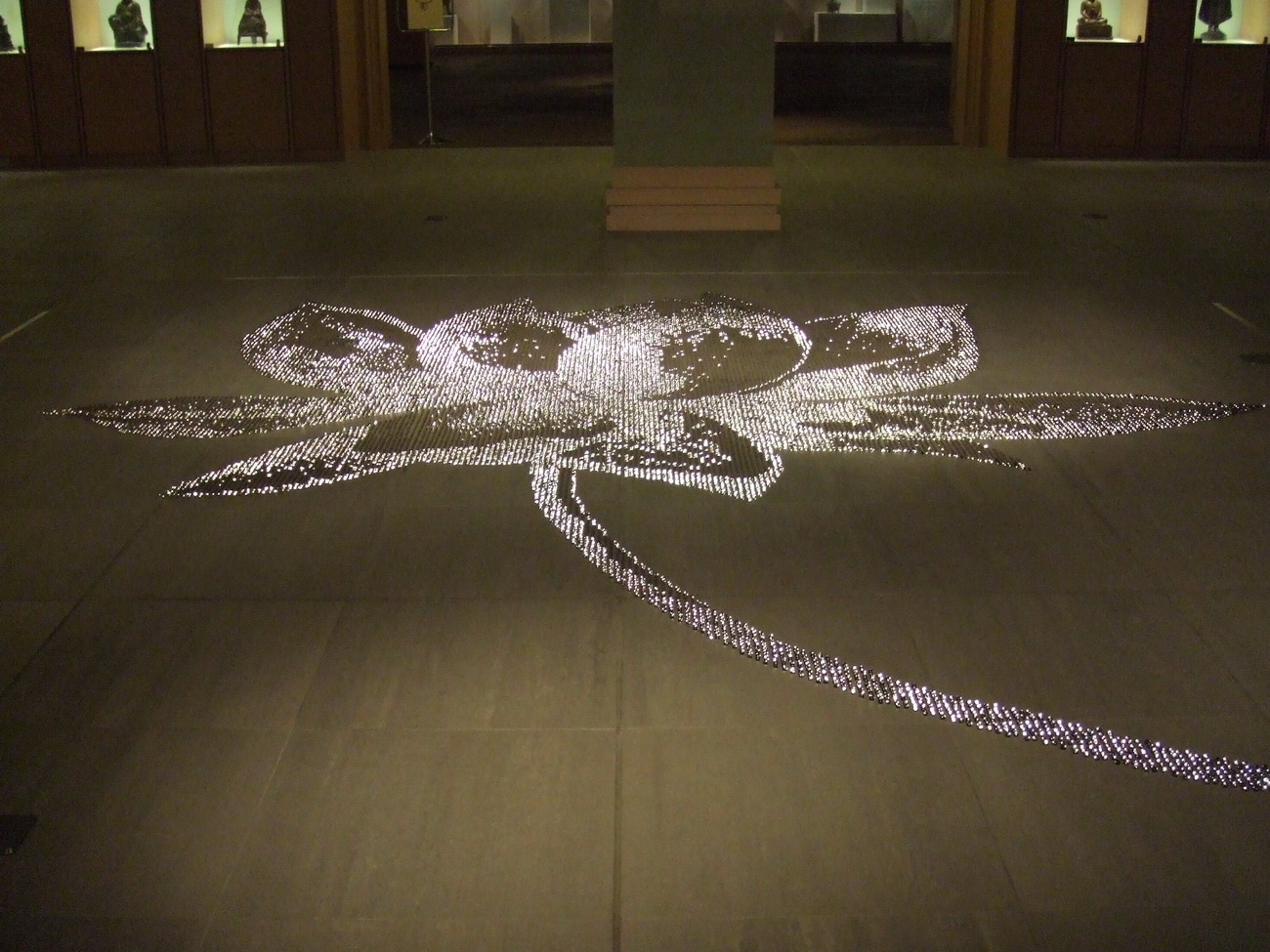
Chen Chun-Hao, Lotus, thumbtack space installation, dimensions variable, 2005, NCKU Art Center
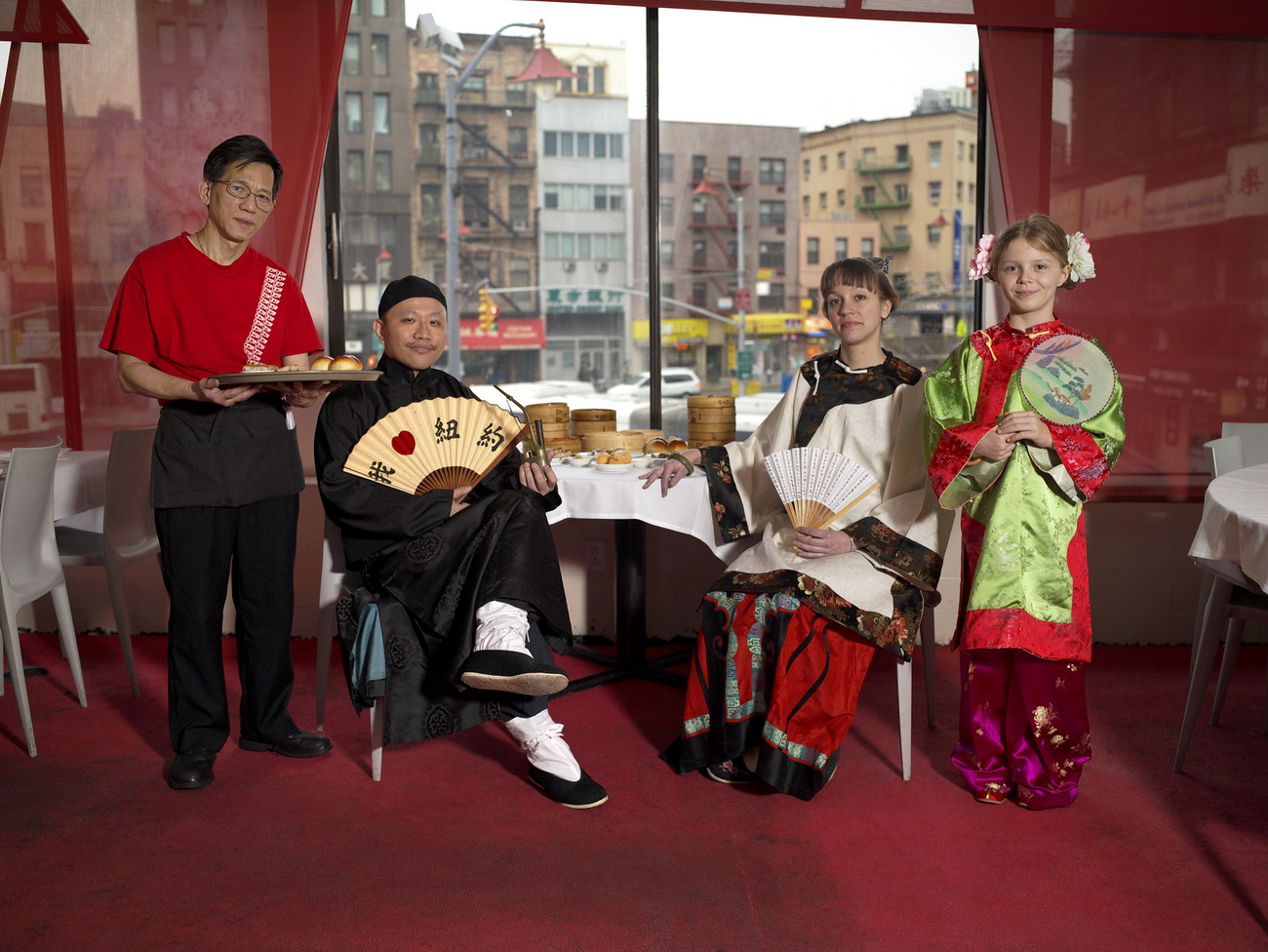
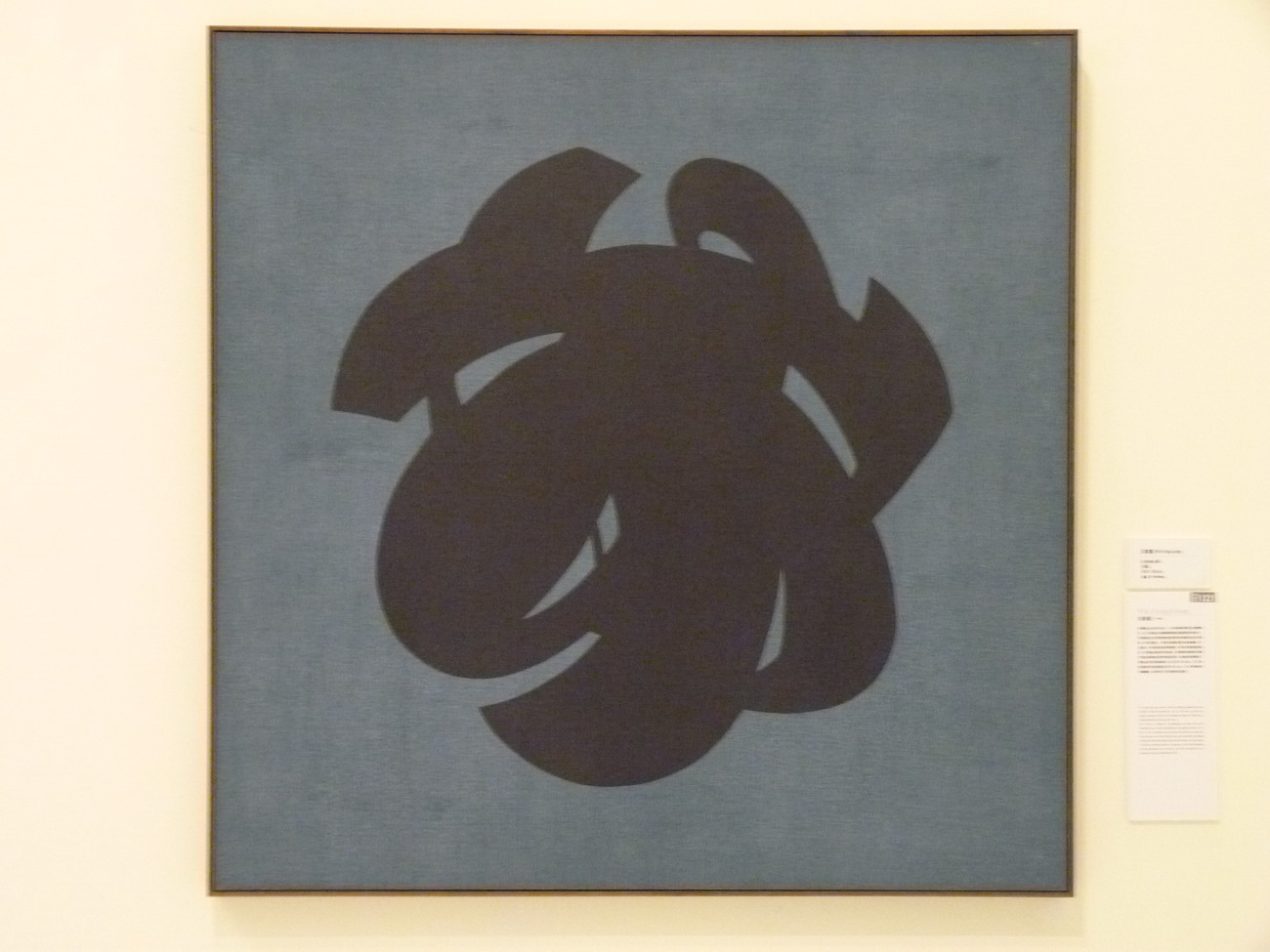
Taiyu Academy of Aesthetics Contemporary Art Symposium - "Not All That Is the Same Is Identical": Symposium Theme: "Glocalization" and "Local Globalization" under Globalization. First session: Discussion on the current perspective of "local globalization" in Taiwan. Second session: Discussion on the current perspective of "glocalization" in Taiwan. Key point: To outline possible viewpoints for discussing the concept of cultural differences in current art. Symposium organizer and planner: Taiyu Academy of Aesthetics. Time: Scheduled for April 23 and May 7, from 14:30 to 17:00. Location: Taiyu Academy of Aesthetics, No. 452, Daya Road Section 2, Chiayi. Phone: 05-2785864. Invited speakers: Li Chang-Chun, Kung Cho-Chun, and Chen Tai-Sung. Moderator: Chen Chi-Hsiang.
Preface: Globalization is a prominent political reality in the international arena today, encompassing everything from realpolitik and economic strategies to cultural industries and consumer societies. Neoliberalism sweeps across every corner of the globe like a powerful torrent, significantly impacting the overall social and economic structures of Asia. Taiwan is inevitably trending in this direction, and under this torrent, the multifaceted and drastic changes in global politics and economy are unprecedented.
Globalization permeates all aspects of life—food, clothing, housing, transportation, entertainment, and even general systems of thought. It manifests as informatization, economization, consumerization, institutionalization, standardization, colonization, or sub-colonization. Common features of globalization include popularization, symbolization, universalization, homogenization, networking, vulgarization, and consumerization. Thus, globalization has altered our way of life and our perspectives on things.
Since ancient times, different regions and races (or ethnic groups) have held different views on life and the universe. Divergent cultural viewpoints and perspectives are inevitable, most evidently seen in the classification of languages worldwide. The French contemporary artist Ben stated in the 1980s: "The next artistic revolution: it must assume its own language, culture, and race." Ben believed that racial "differences" are elements that cannot be ignored in contemporary art. In his concept of the relationship between life and total art, the new and the different are primary values; difference thus becomes the most valuable key in globalized art and cultural industries.
Human ethnic groups and regions each have their own cultural perspectives. The same moon has different stories; the same sun has different insights; the same sunset has different moods. The same existence holds different energies; not all that is the same is identical; the same carries categorical meanings. Everything exists within the atmosphere of its own culture, customs, and environment, making difference a tangible value. The great twentieth-century writer D.H. Lawrence wrote: "Every continent has its own great spirit of place, every people has its own peculiar identity, that is its home, its homeland. On this earth, different places have different vitalities, different vibrations, different chemical exhalations, different stars, different characteristics, call it what you will, but the spirit of place is a great reality."
Taiwan's contemporary art creation possesses its own unique thinking and cultural perspective, rooted either locally or in a fusion that transcends the West, intending to create forms and spirits distinct from Western modernism. It strengthens inherent cultural differences and pluralistic thinking, pioneering a new style and paradigm that opens up fresh prospects, looking forward to new cultural horizons. It aims, under current globalization, to allow for individual expression, to articulate inherent cultural subjectivity, and to engage in dialogue with the world. To use current terminology, this means "local globalization" and "glocalization," or an international appearance and demeanor that integrates these two major aspects.