London Notes – Reality as Art
The mesmerizing allure of the Westminste Parliament Castle towers and Big Ben along the Thames,
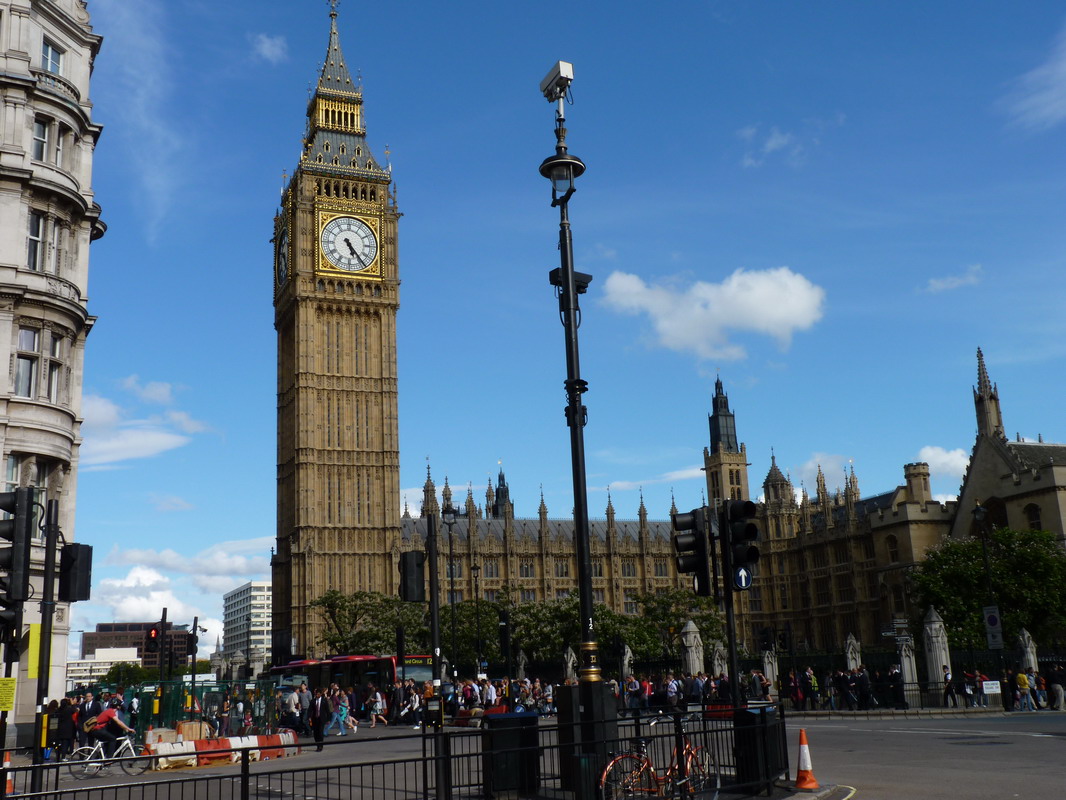
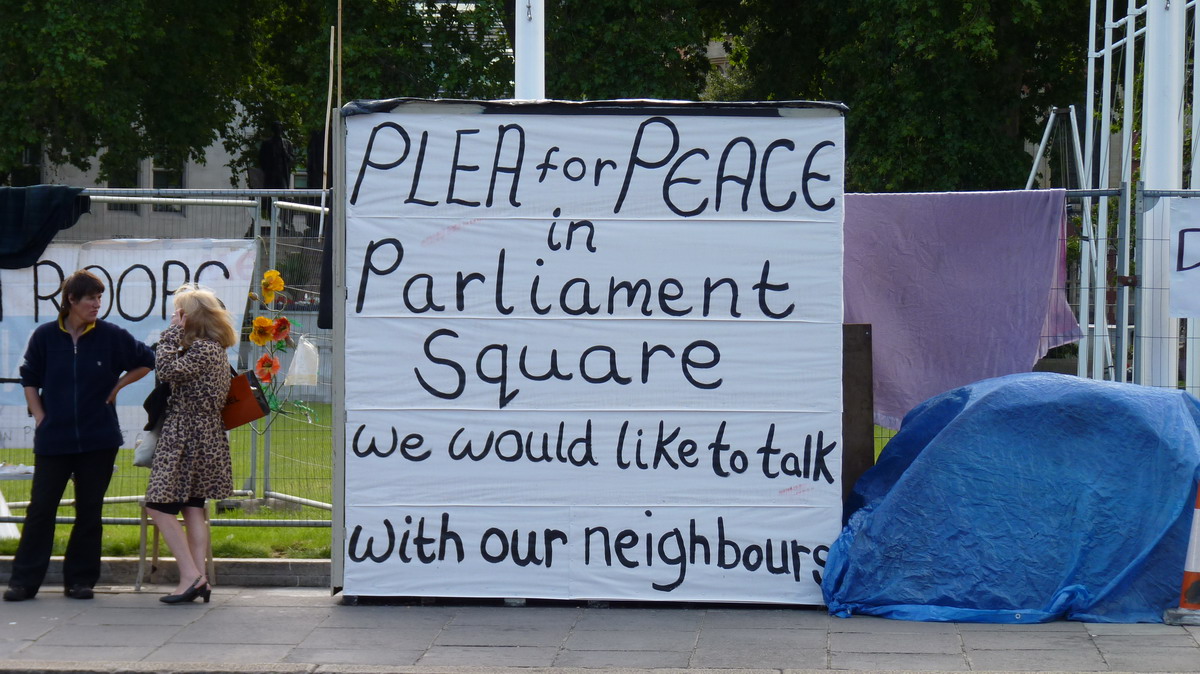
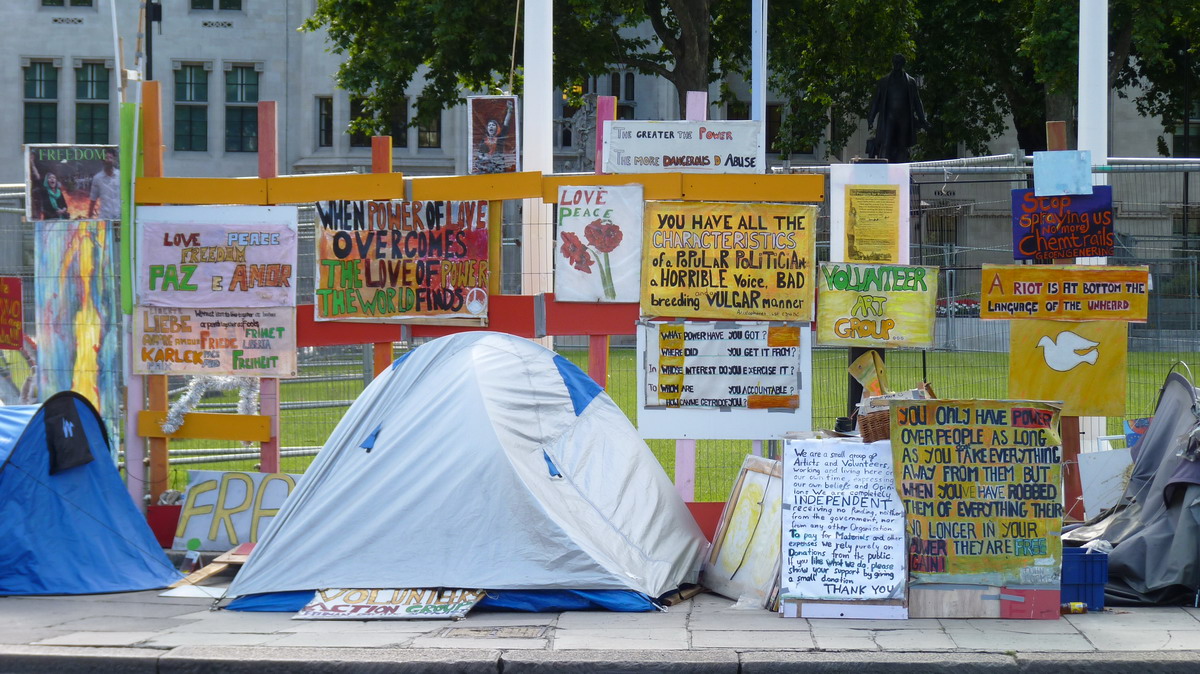
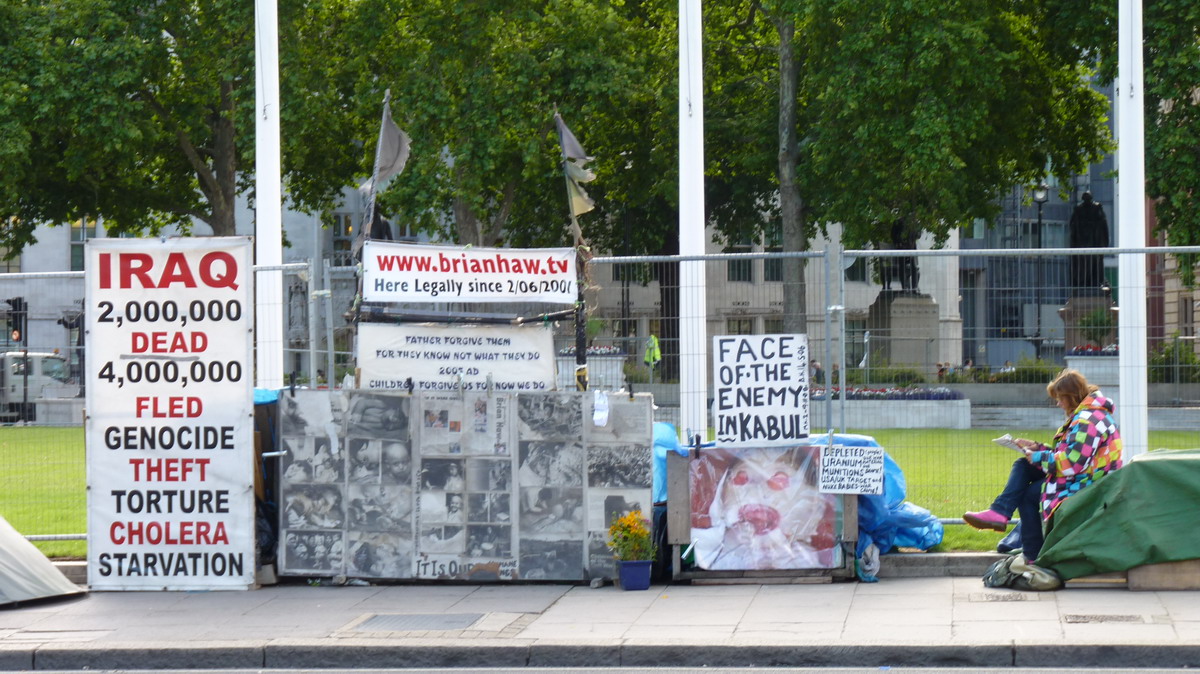
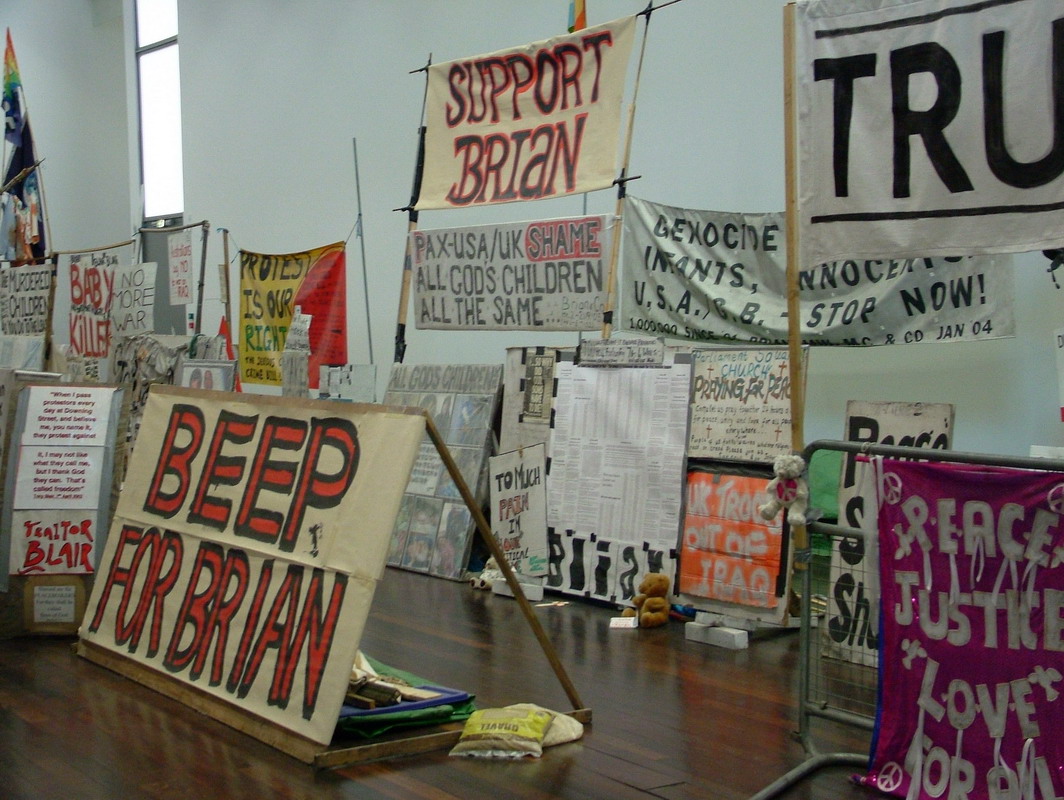
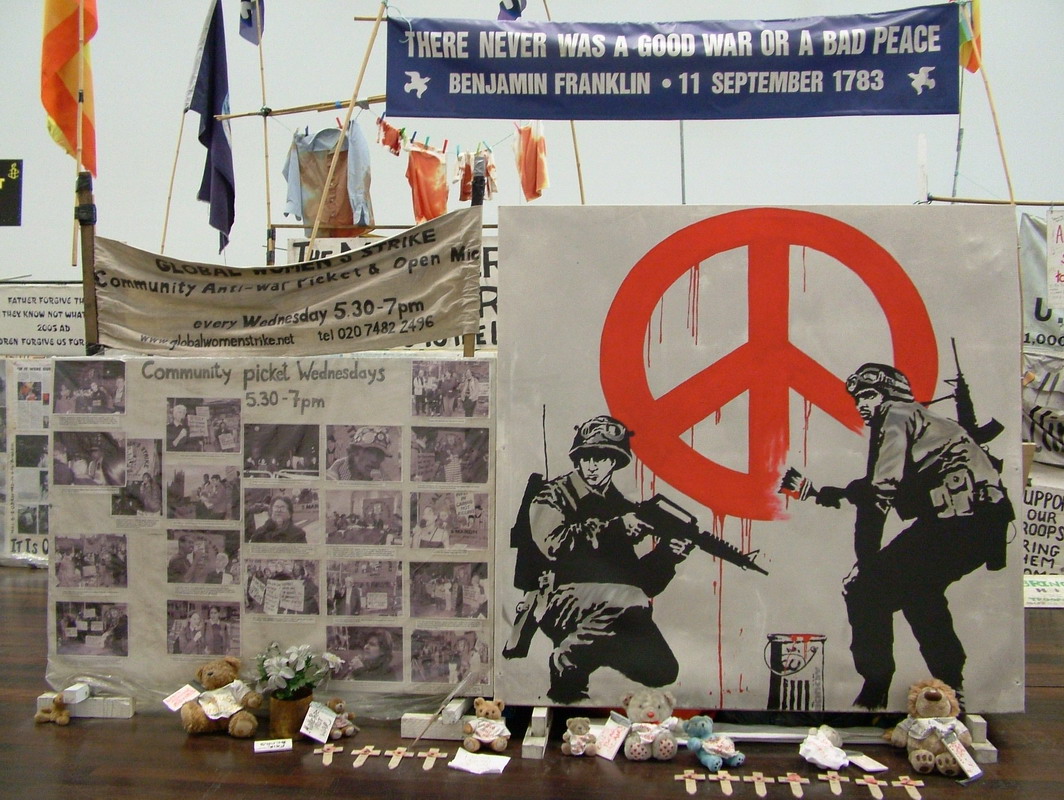
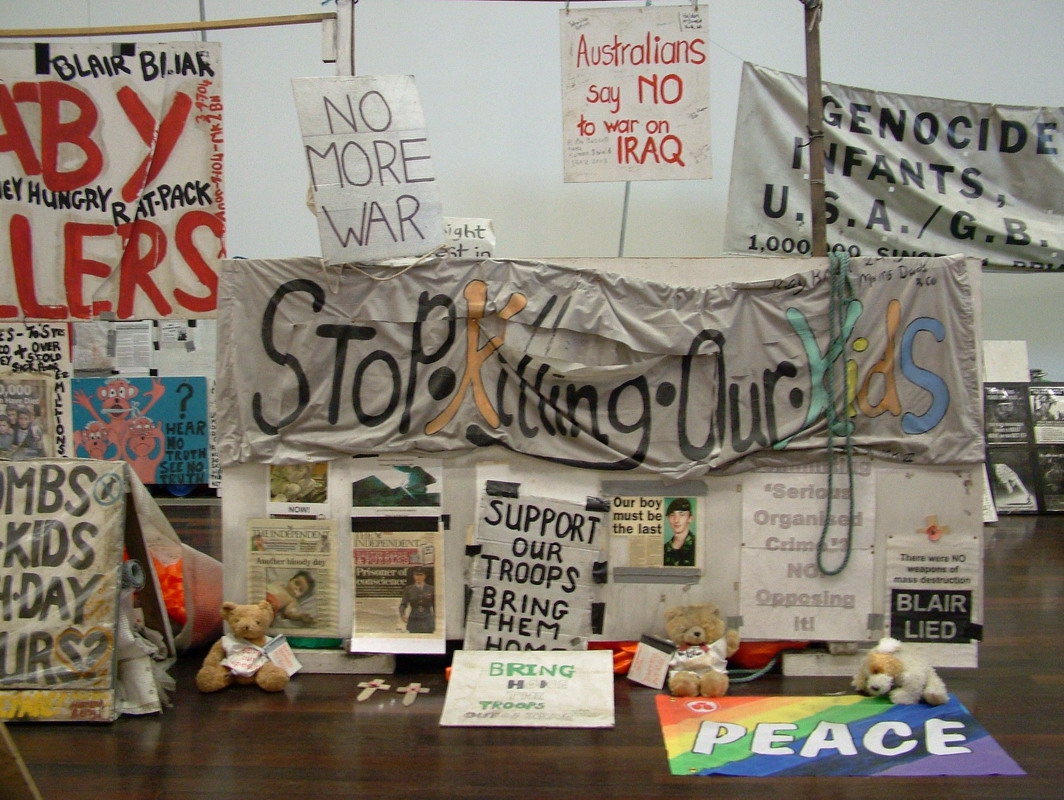
Text and images / Chen Chi-Hsiang. Anyone traveling to London will surely go to witness the splendor of Big Ben in person. Like the Eiffel Tower in Paris, Big Ben has become one of the symbols of the London metropolis. Located on the banks of the Thames at the Westminste Parliament Castle tower, this extraordinary building is quite captivating; it serves as both the seat and symbol of British power. Consequently, it has become a target for public protests against government policies, especially in recent years regarding anti-war sentiments, particularly the opposition to the Iraq War, which awakened awareness against aggression and for peace. Since June 2001 until today, the British civilian Brian Haw Peace Organization has continued to camp day and night in the triangular area across from the Parliament, struggling against war. They display protest banners, slogans, pictures, and object installations related to the anti-Iraq War, resembling socio-political environmental art installations. This has sparked widespread social discussion. Protest is a civil right and a great political tradition of British liberal democracy. Under legal protection, citizens are allowed to oppose the government as long as they do not violate national interests.
During my trip to London last year, I visited the Westminste Parliament Castle and Big Ben. While witnessing their splendor, I also saw the anti-war protest camp in the triangular area across from the Parliament. This was the result of their long-term struggle opposing the British government's support for the United States' military intervention in the Iraq War. It reminded me of visiting the Mac Val de Marne Contemporary Art Museum near Paris in 2008, where I saw Mark Wallinger, the winner of the most prestigious Turner Prize in 2007, in his solo exhibition "State Britain." "State Britain" is an extraordinary transformation of real political struggle into an art exhibition. The artist himself is a member of the British civilian Brian Haw Peace Organization. From the standpoint of an artist as a warrior or the art world as a battlefield, he questions religious faith through art, balancing personal responsibility with social obligation. He appropriated and transformed these scenes of anti-war demonstrations, thus creating the object-installation work "State Britain." His intention was to elucidate the meaning of the work itself detached from its socio-political context. Of course, within the background of Western anti-war and peace-seeking warrior alliances, consciousness and action are consistent, making it easy to understand this common stance against the Iraq War. Protest, participation, and dissatisfaction are all possible forms of art; the resistance of artists like warriors is inevitable. Mark Wallinger here presents the situation of plastic arts, exposing the violence of political power from a realistic standpoint. Indeed, reality is like art, and art is more real than reality; this reality is beyond ordinary reality.