Comparison of the Styles of Rauschenberg and Johns
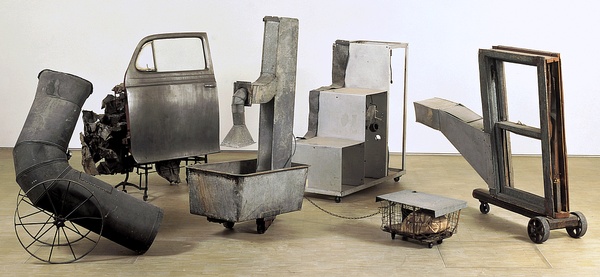
Robert Rauschenberg, Oracle, 1962-65. Collection of the Centre Pompidou, Musée national d'art moderne. Image from the Centre Pompidou website.
Characteristics of Rauschenberg:
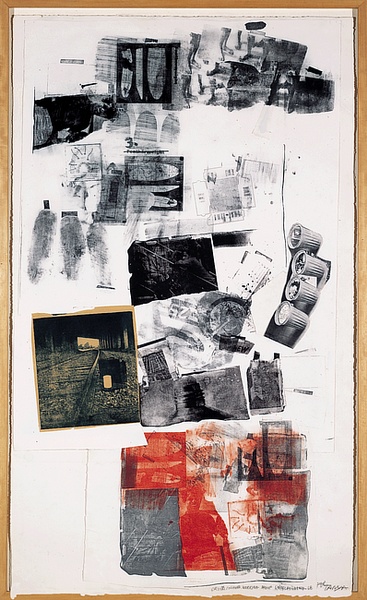
Artistic Style: Eclectic and untidy, combining various images and objects (so-called "combined painting") to blur the boundaries between painting and sculpture. Using social imagery, his works feature totems, metaphors, satire, and humor. His works exhale with powerful force, creating an illusionary space with strong visual effects. He integrates combined painting and found objects in visual art, indifferent to whether media and message are separate. His style is frivolous, diverse, impure, unserious, and anti-formal, untidy yet possessing expressionist vigor. Combining photographic printing images with various colored brushstrokes in a non-academic form, the painting itself becomes a form of expression.
Characteristics of Johns:
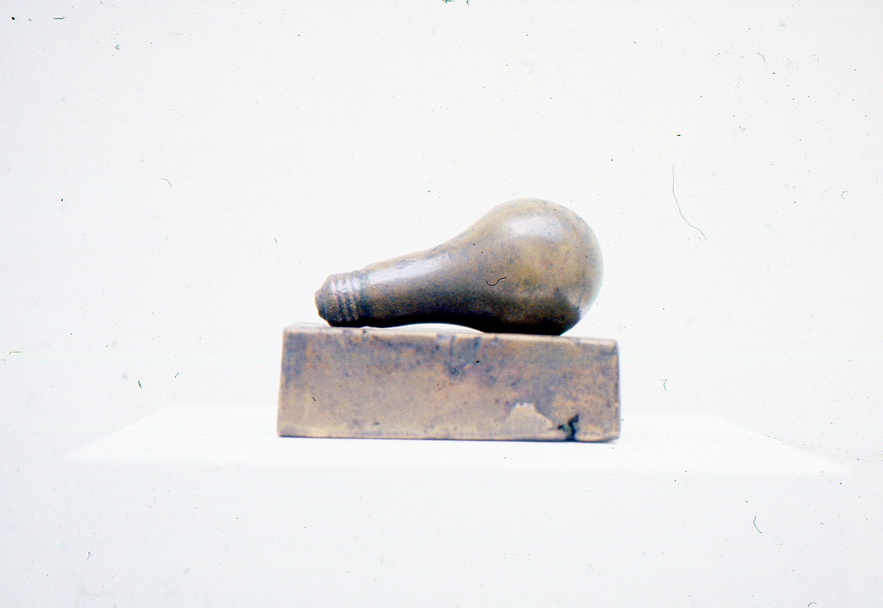
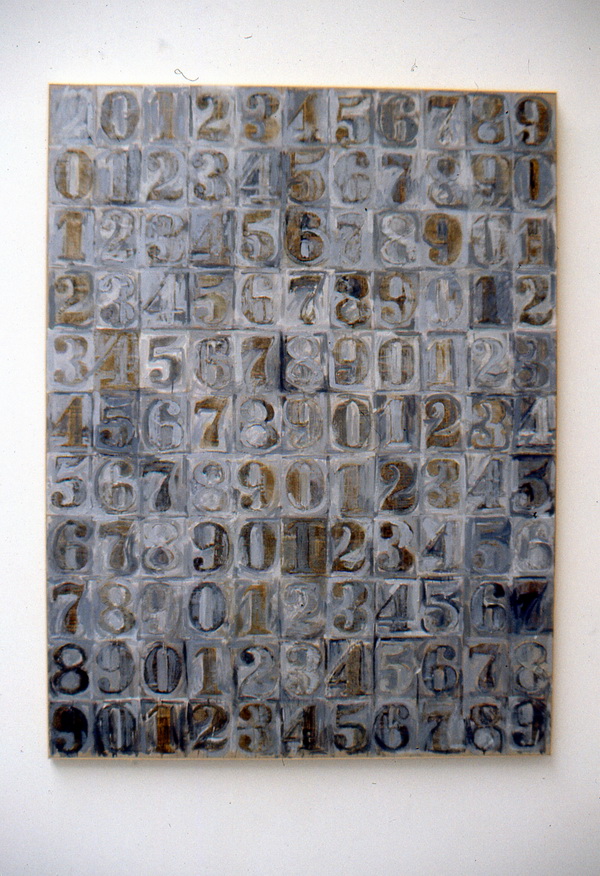
Artistic Style: Refined, elegant, and consistent, using single, ordinary, and familiar imagery (numbers, flags, targets) for pure painting or adding objects. Featuring symbolism, ambiguity, and a touch of humor, his totems are full of metaphor and satire, delving deeper into social symbols. His works inhale with graceful elegance, presenting a flat spatiality and conceptual nature (is it a painting or a flag?). Or presenting art as pseudo-found objects, where media and message are integrated. His style is steady, calm, pure, serious, pleasant, and formalized, with the cultivated temperament of a literati. The paintings possess literary and musical regularity, depicting objects in traditional academic forms; the painting itself is also an object.
They: First, liberated people's thinking, making Pop Art acceptable. Second, forced viewers to contemplate the representative meanings of these works, revealing another visual aspect. Third, transmitted visual consciousness through the representation of objects (creating fake objects) or combined painting with added objects.