Rhubarb in the Garden
The large, deep-green palmate leaves resemble a washbasin. Its form is like spinach, so it is also called spinach rhubarb.
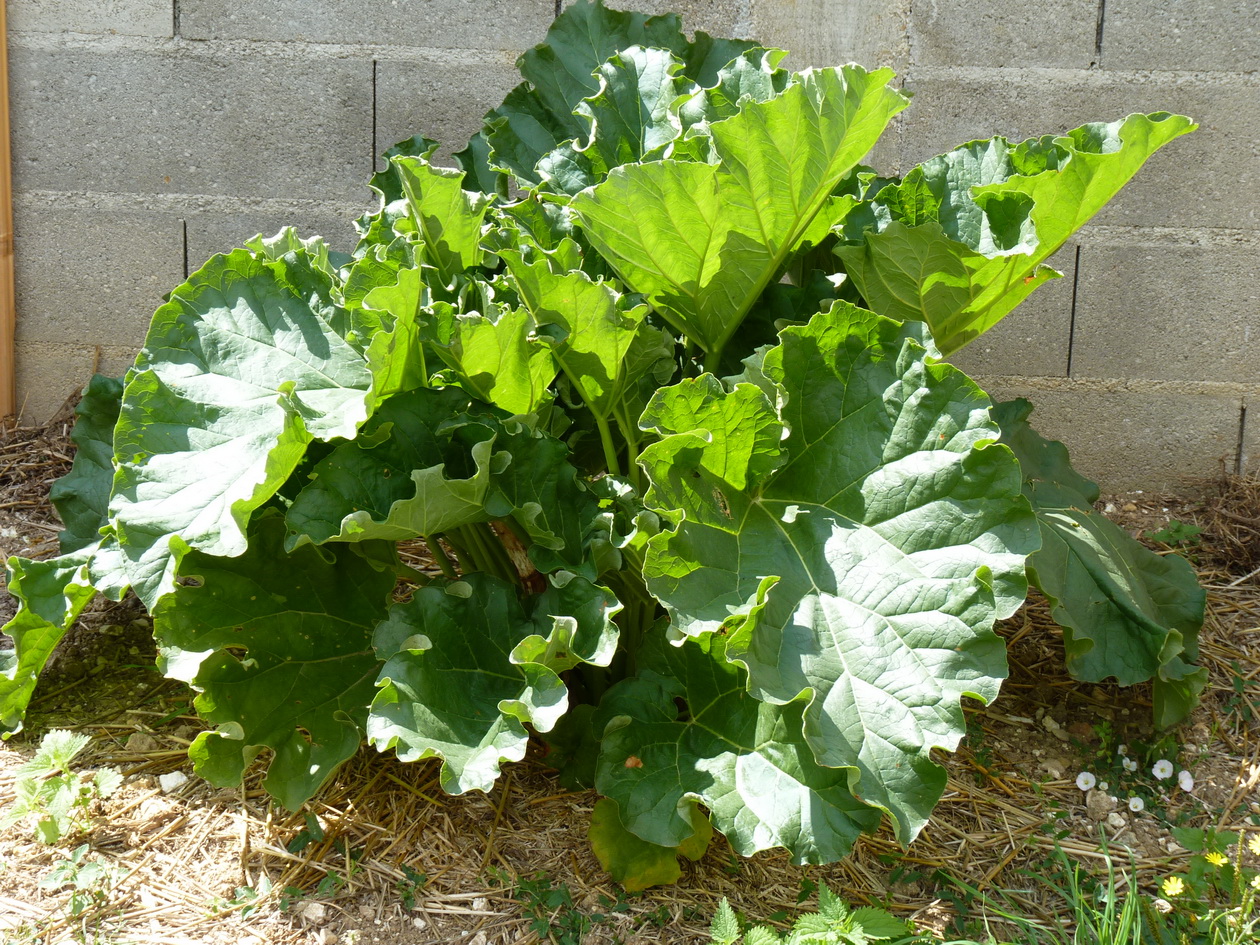
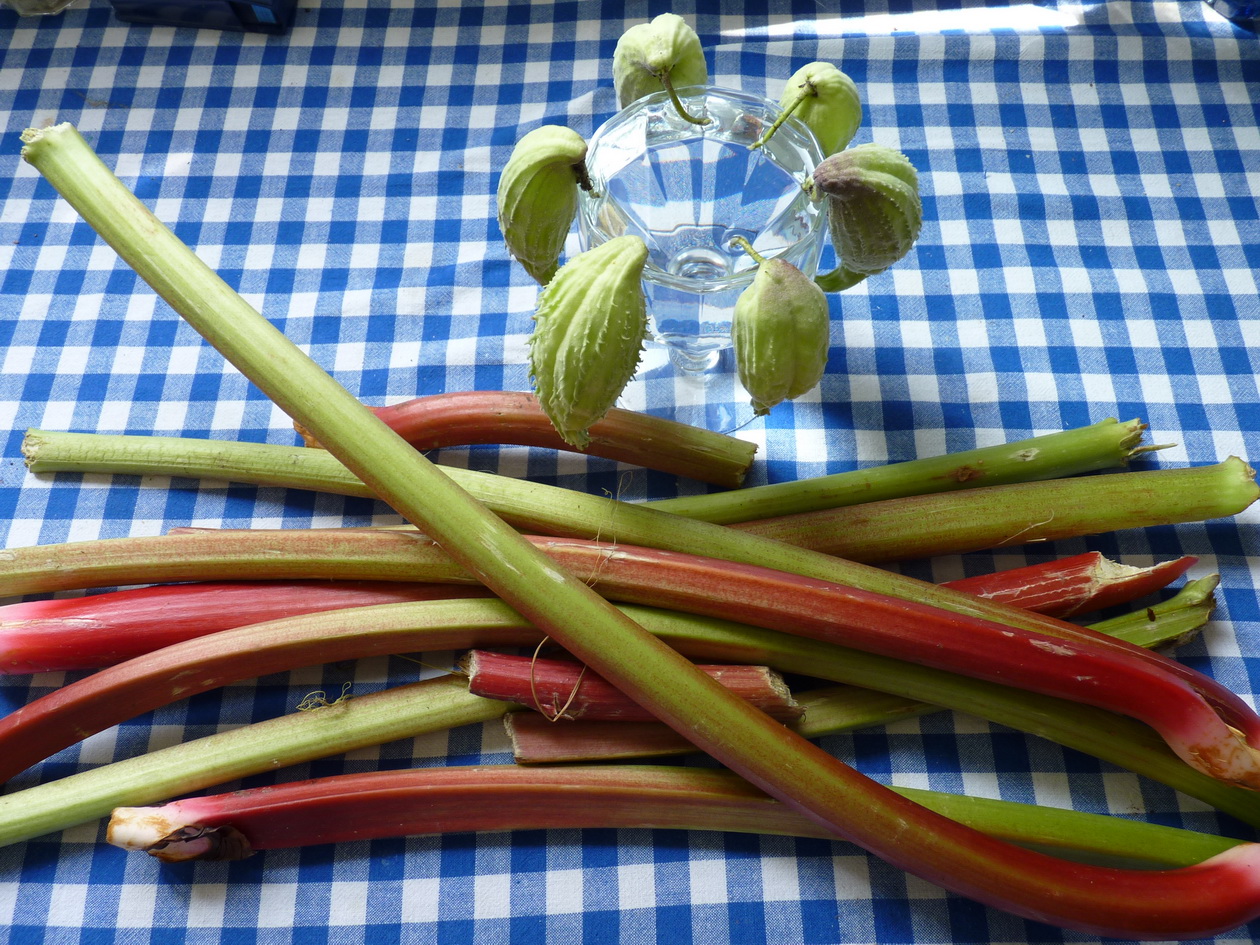
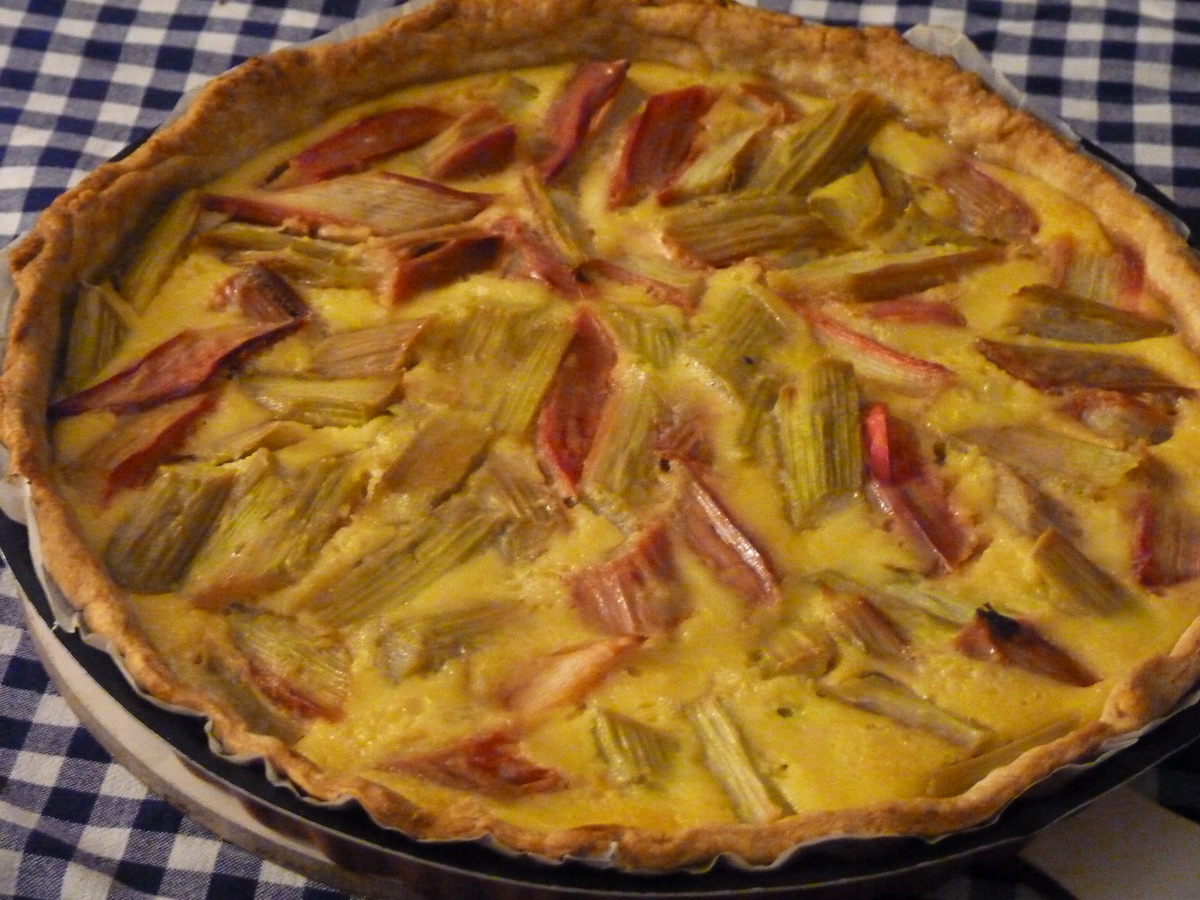
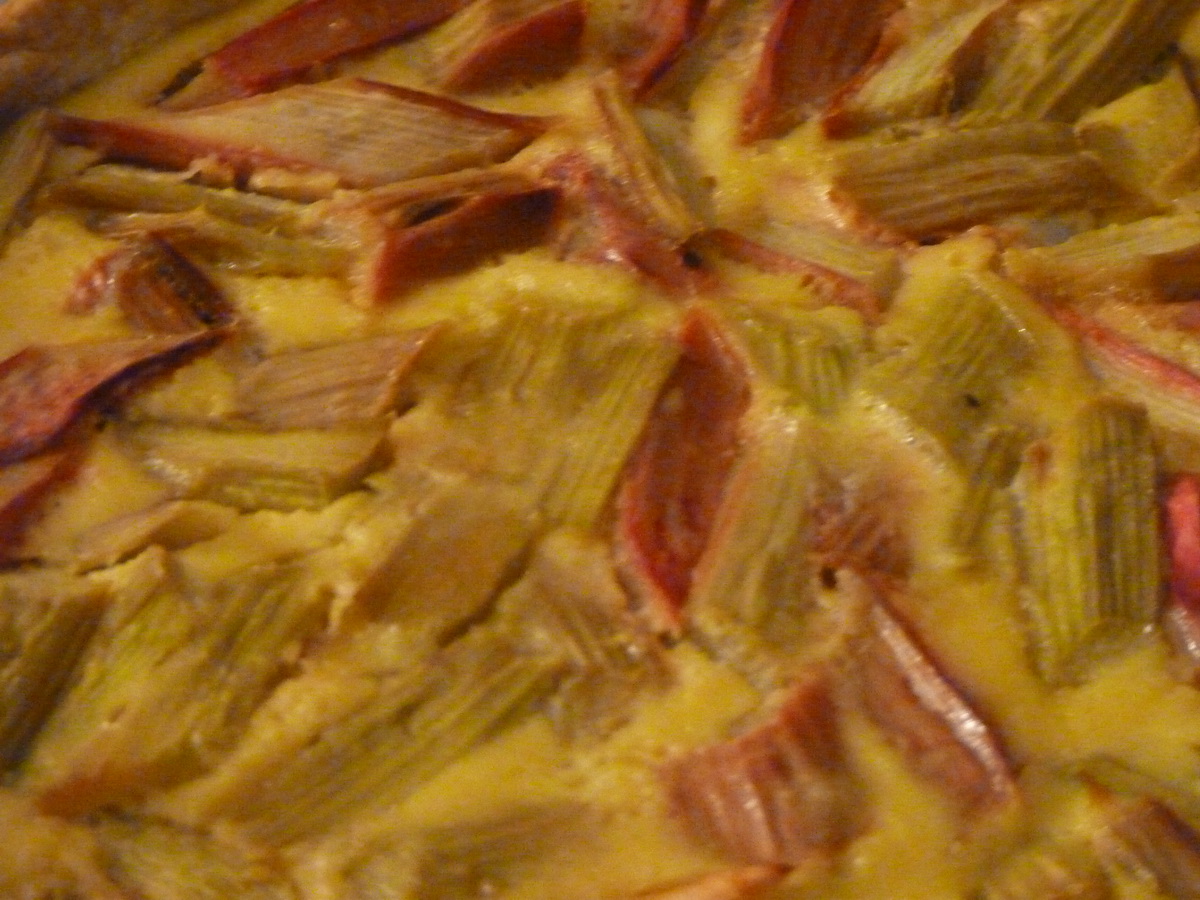
Text and photos by Chen Chi-Hsiang. The rhubarb (herbaceous plant) and laurel (small shrub) in the corner of the courtyard wall were bought at a small-town vegetable market. These are plants commonly found in French gardens or vegetable patches, used for both ornamental and edible purposes. Now the rhubarb grows vigorously, forming a dense clump. Its large, deep-green palmate leaves resemble a washbasin. Because its form resembles spinach, it is also known as spinach rhubarb. It has thick green or pink (rose-red) leaf stalks. Belonging to the Polygonaceae family, it is the world’s largest perennial herbaceous plant, with native species distributed across Europe and Central Asia. In spring, it stands out with clusters of tiny flowers. On breezy, sunny days, it brims with vitality and energy, marking the viewing season. By late autumn, the stems and leaves wither, only to sprout again in early spring.
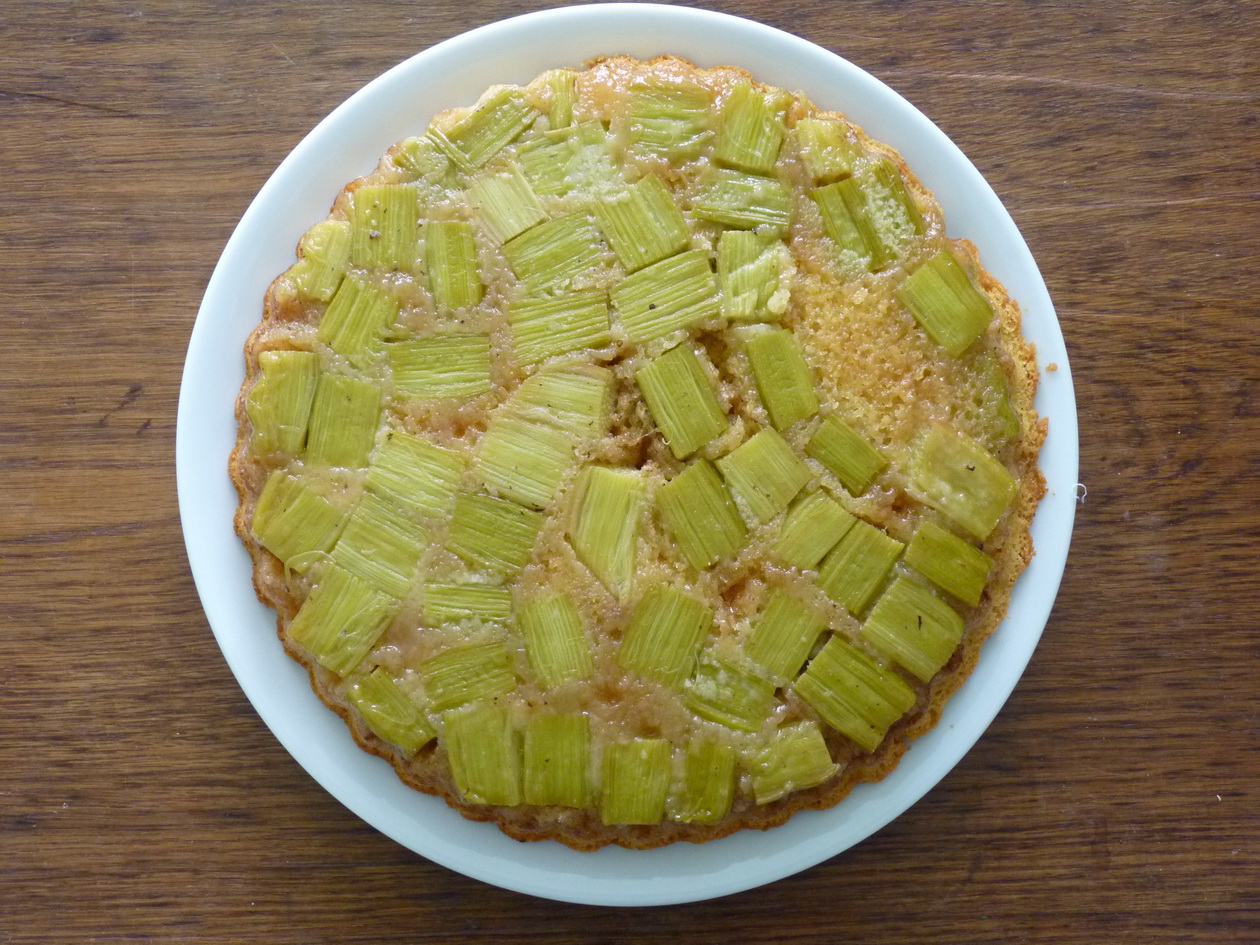
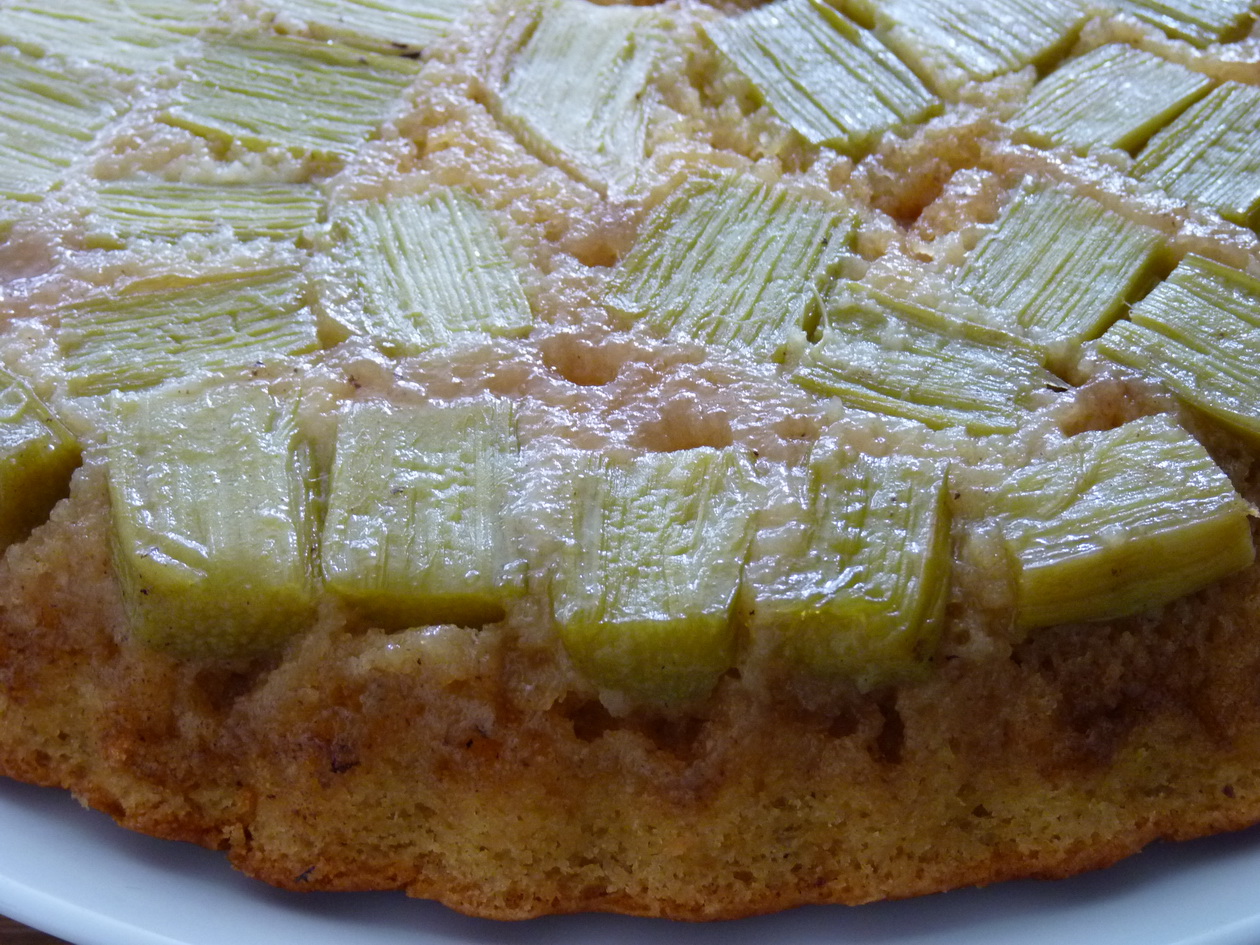
Rhubarb’s deep-green leaves contain oxalic acid and are quite toxic, making them unsuitable for consumption. However, in China, they have medicinal uses. Generally, French people use the thick leaf stalks to make jams and desserts (such as rhubarb pie or rhubarb cake). After washing and slicing, they are marinated; slightly acidic but turned alkaline when sweetened, they offer a distinctive texture. The British prefer using it for crumble desserts. Eating it in moderation is beneficial to health, especially for those suffering from constipation (see below for traditional Chinese medicine efficacy).
In China, rhubarb’s main use is medicinal. It is a common drug in Traditional Chinese Medicine for promoting bowel movements and clearing heat, described as having “potent purgative properties” and being “extremely bitter and cold.” The history of using its root as a laxative spans at least 5,000 years. It is mentioned in both traditional Chinese medicine prescriptions and those from the medieval Arab world and Europe.
Rhubarb can have an astringent effect on the mucous membranes of the mouth and nose. Its roots and stems contain rich anthraquinone compounds, such as emodin, Aloe emodin, physcion, chrysophanol, and rhein. Some of these compounds have mild laxative effects; just three spoons can clear waste from the stomach and intestines, so it is also used for weight loss. [Source requested] However, for the same reason, pregnant women should avoid eating it to prevent miscarriage.
Note: This article refers to Wikipedia.