Simulists Richard Pettibone 1964-2014 Solo Exhibition
One of the exhibition scenes - Brancusi's Endless Column
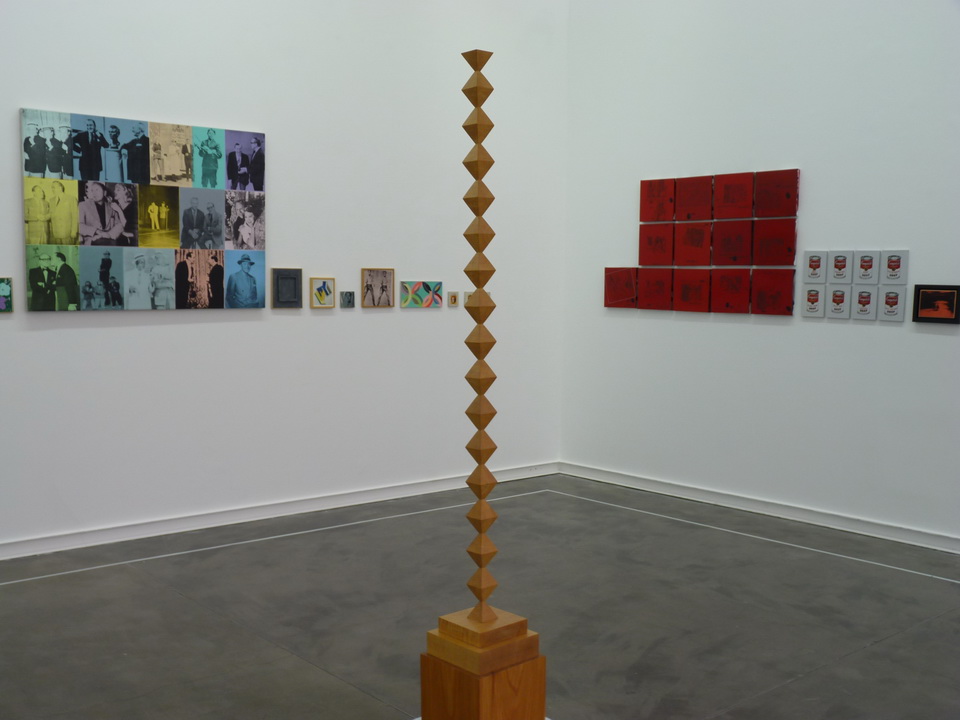
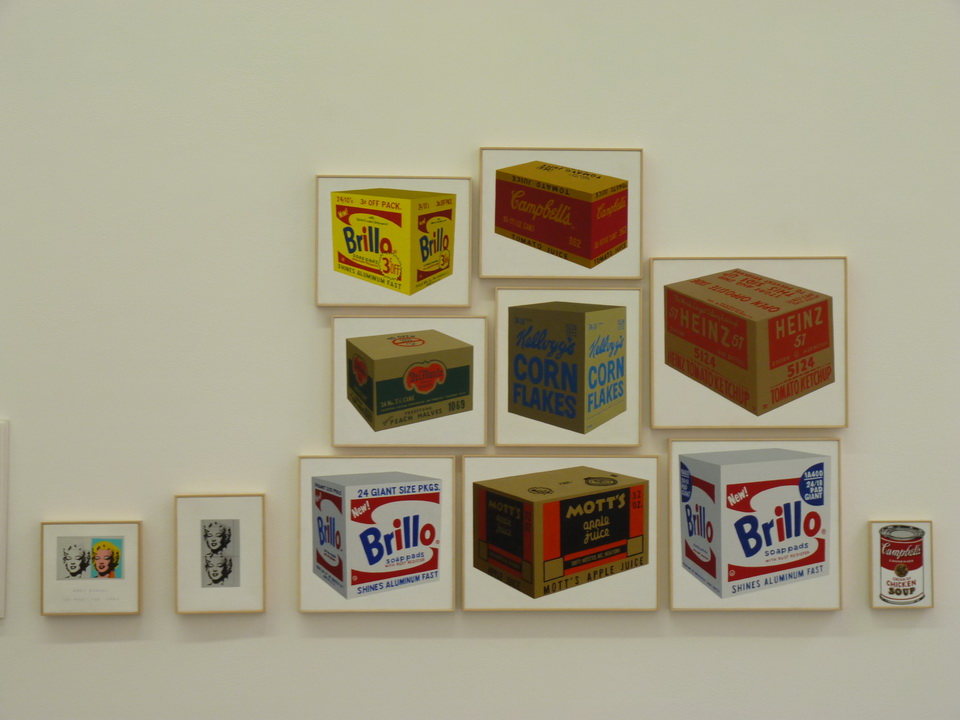
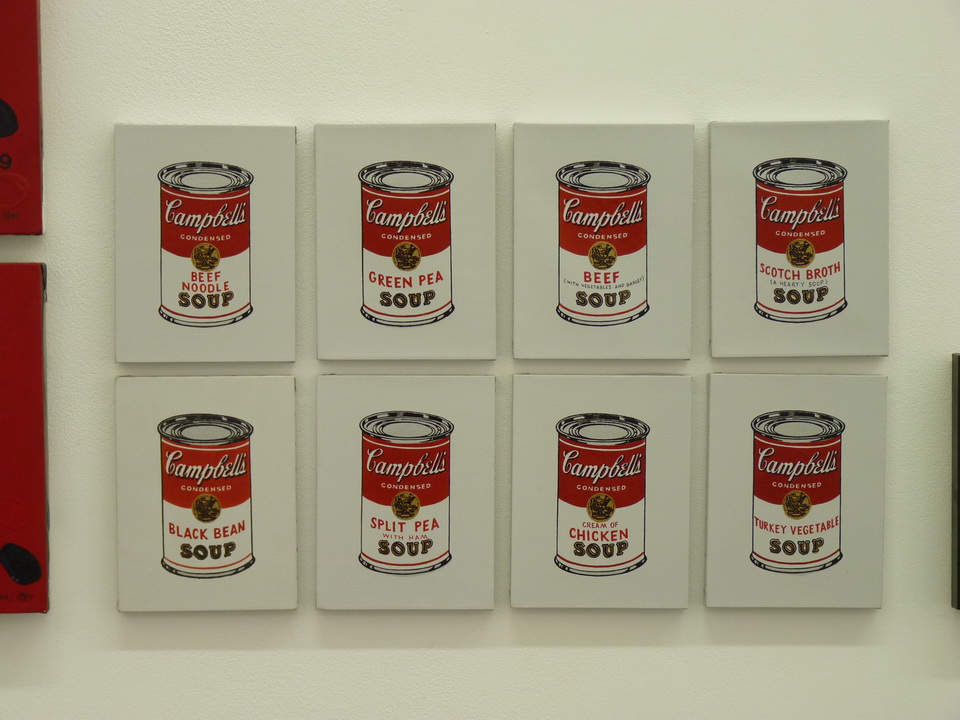
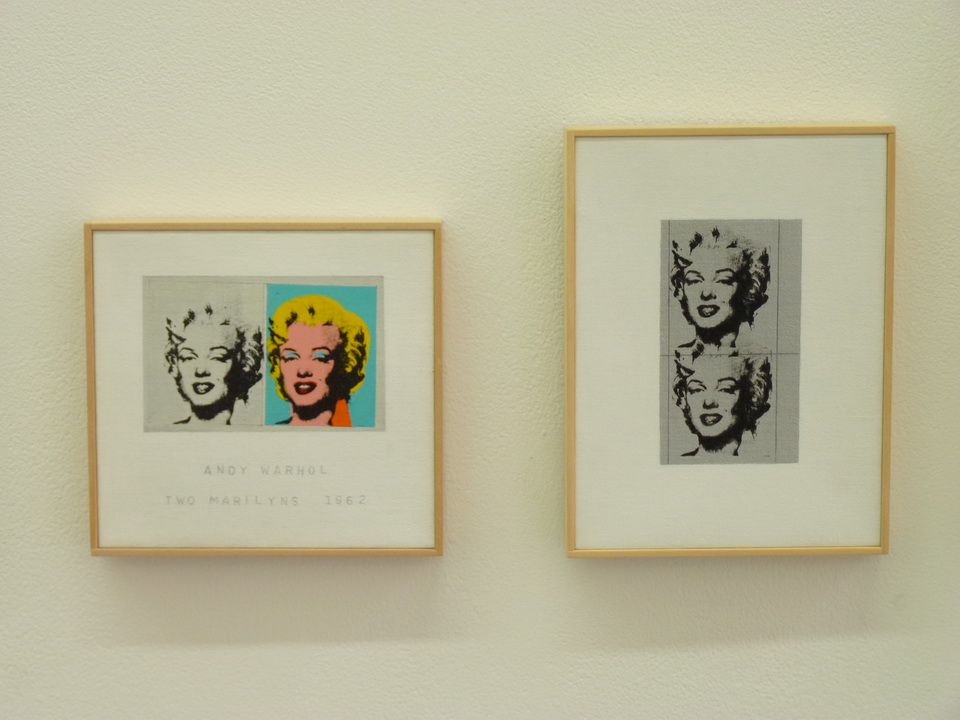
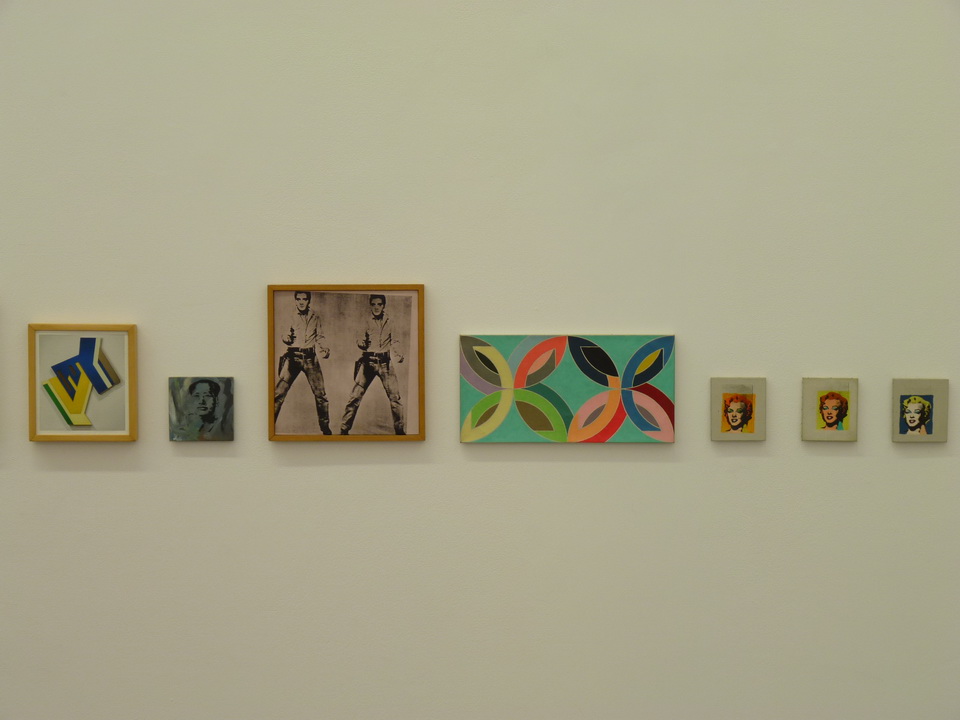
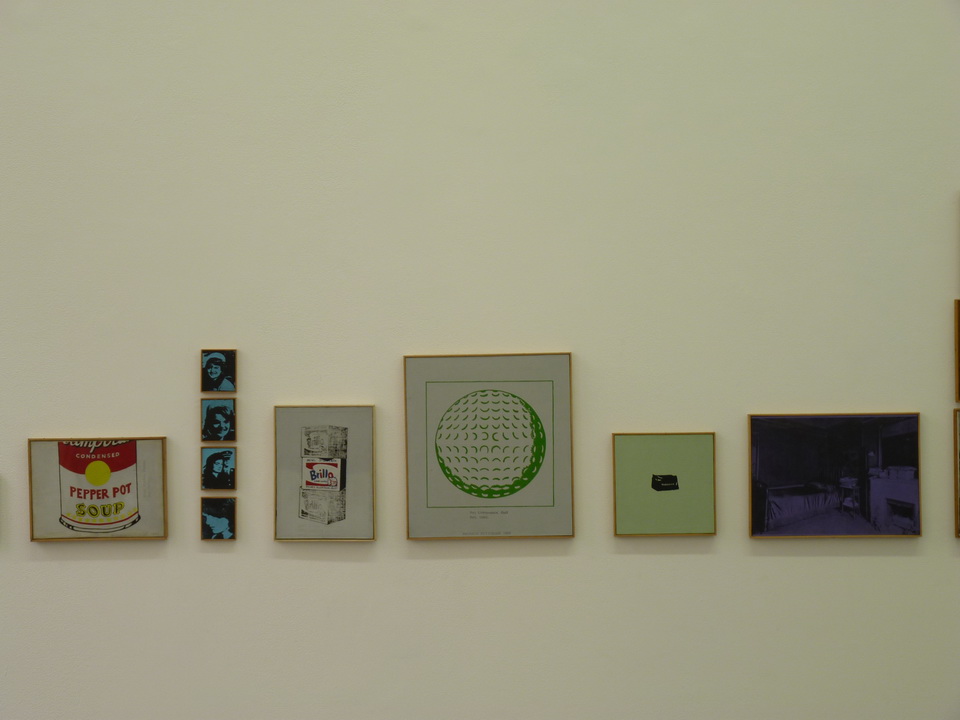
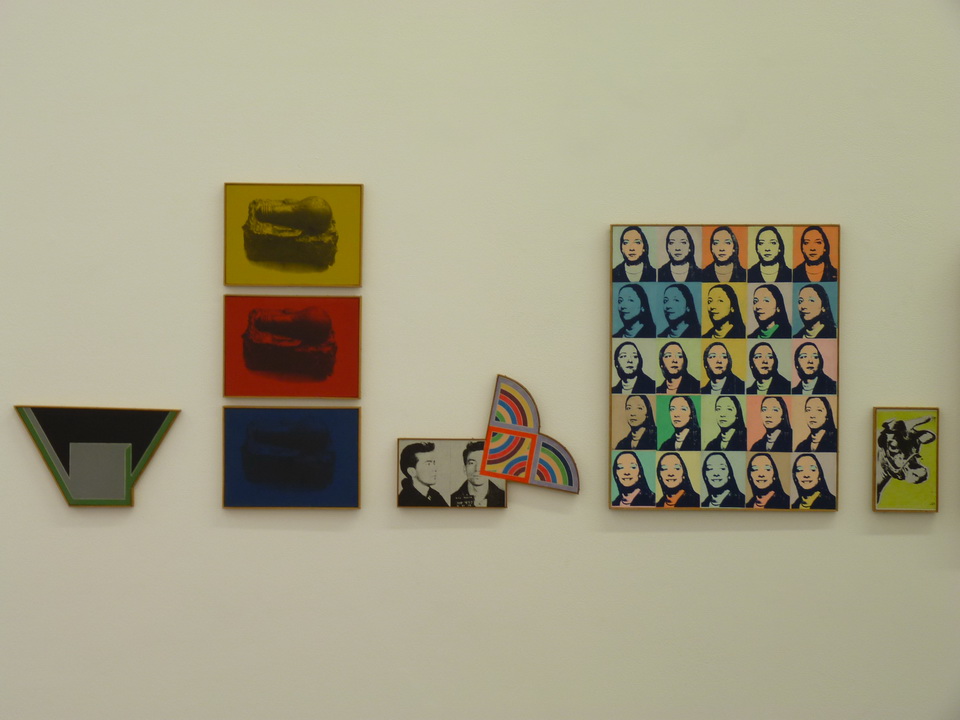
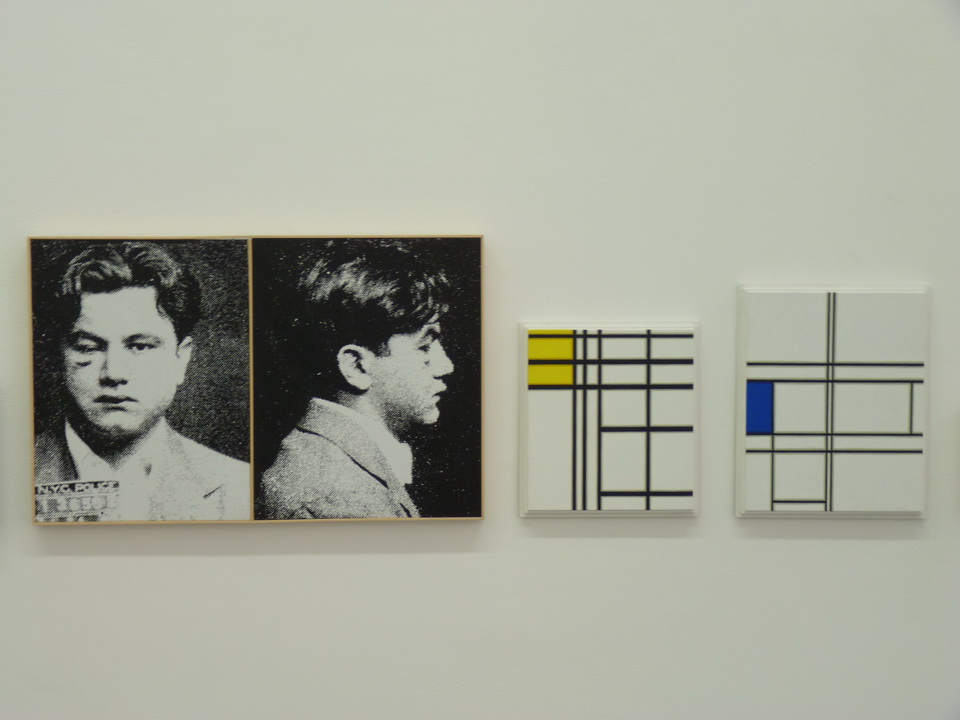
Text and images by Chen Chi-Hsiang. Venue: Mitterrand Gallery. Dates: June 13 to July 26. Simulation is one of art's expressions; simulating nature is art's most primordial expression. Is simulation plagiarism? Certainly not. By dictionary definition, simulation is imitation or emulation, whereas plagiarism is copying someone else's work as one's own. Early art began with simulating nature; contemporary simulation is omnipresent (under Duchamp's appropriation and transformation of traditional procedures), claiming all possibilities for its own (including all imagery in art history). Of course, guided by attitude and consciousness, it opens new perspectives and reinterprets, thus "the same is not entirely identical."
Richard Pettibone (born 1938) is a quintessential simulist creator today, a pioneer who claims art as his own. Postmodern American simulists are deeply influenced by him. He practices existing artworks and objects through quotation, replication, and deformation. Since 1964 in California, he has developed this method of simulated creation, specializing in imitating his contemporaries among New York artists, sourced from images in Art Forum magazine at the time, especially Andy Warhol, Roy Lichtenstein, Frank Stella, Jackson Pollock, and Mondrian. With an attitude of conceptual art and faithful behavioral simulation becoming his recreation, he believed: "The Pop artists of that time freely copied advertisements and trademarks to nurture their works; why not copy their copies?" (Note 1).
Pettibone selectively chooses those most iconic, claiming them, preserving them, and praising them. His simulations distinguish his works through reduction in size, or by juxtaposition altering visual perception and conscious insight. Under refined craftsmanship, simulated subjects range from Duchamp's readymades, Brancusi's Endless Column, Warhol's soup cans and Marilyn Monroe, Jones's American flags, Lichtenstein's comics, and Stella's geometric abstraction, to Pollock's action abstraction. The artist creates his own collection of artists through his simulation method. Sometimes he expands the concept of "composite painting," combining and constructing works from different categories, such as juxtaposing Stella's geometric abstraction with Pollock's action abstraction, or Stella's geometry with Warhol's figures, overturning the concept of simulation. Intending to create an extraordinary vision, simulation opens a remarkable objective narrative from creative analogy, becoming a pioneer of simulism. Robert Smith described it: "Richard Pettibone's copying or imitation is 'a transcendent praise and admiration'" (Note 2).
Artist Note 1: From the press release for Richard Pettibone 1964-2014 Solo Exhibition, Paris Mitterrand Gallery. Note 2: From Yan Xuehua's sharing of Chen Chi-Hsiang's description of the Simulists Richard Pettibone Solo Exhibition, 2014-07-21.