Seydou Keita, African Photographer, Solo Photography Exhibition at the Grand Palais
Poster for Seydou Keita, African Photographer, Solo Photography Exhibition at the Grand Palais
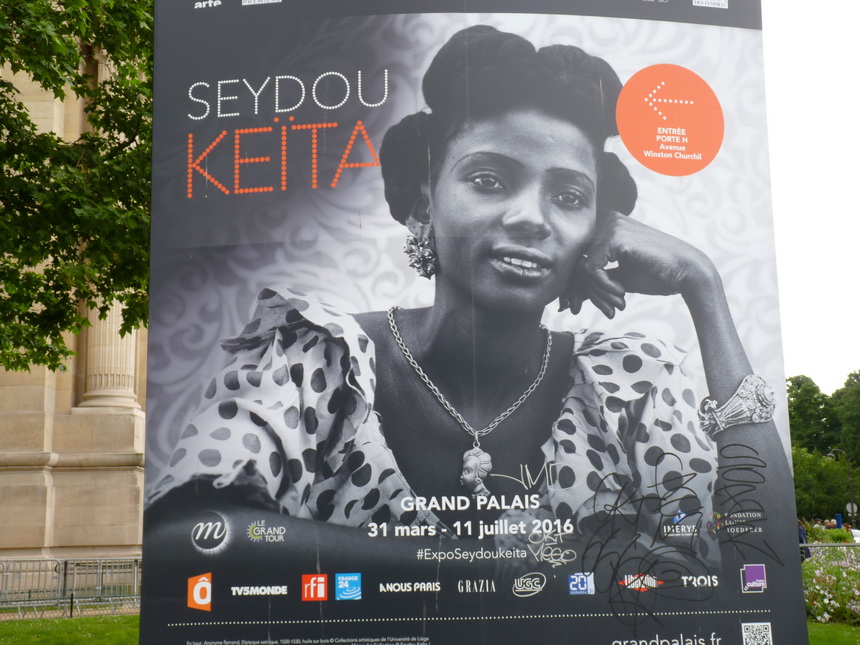
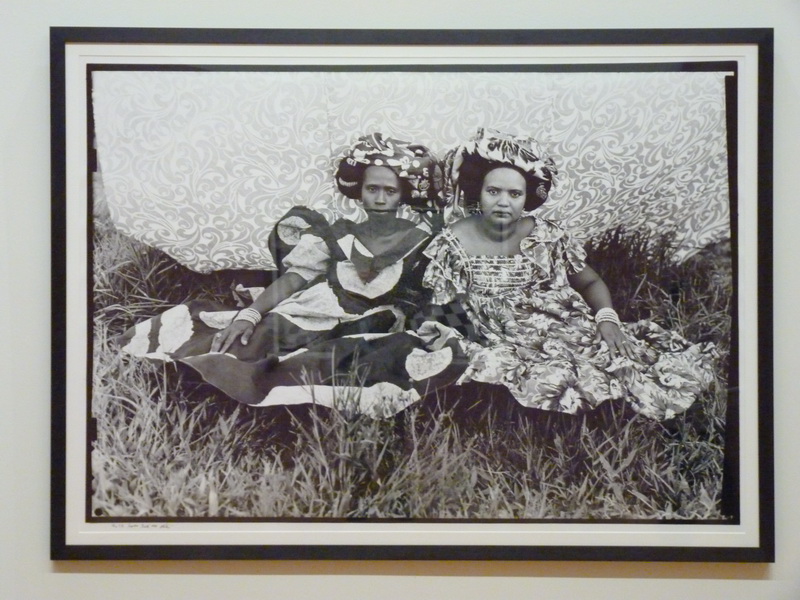
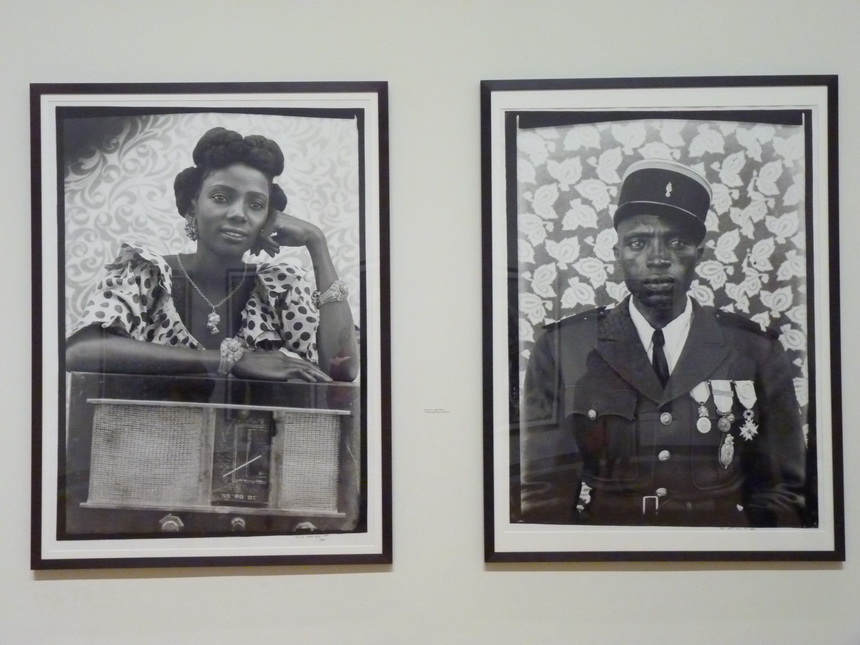
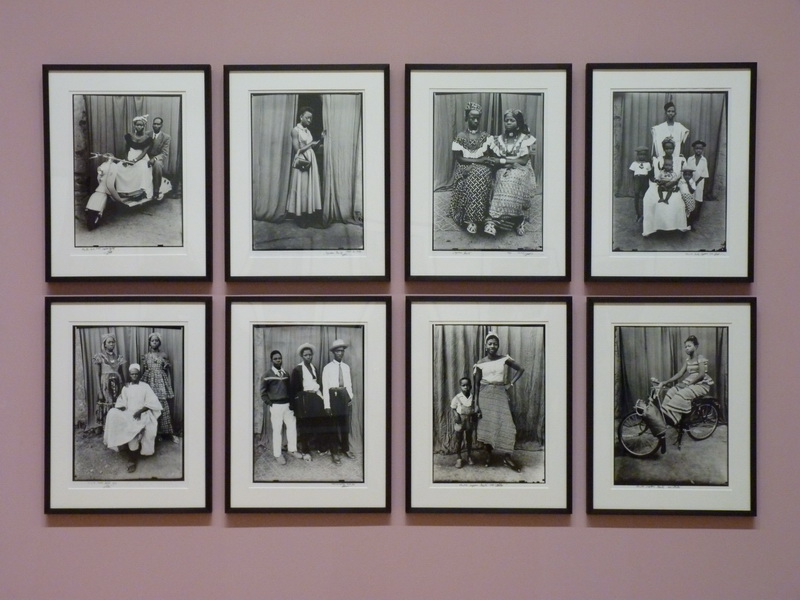
Text and photos by Chen Chi-Hsiang. Dates: March 31 to July 11. Venue: National Gallery of the Grand Palais. In an era where everyone carries a camera and photography has become commonplace, is everyone a photographer? Under the premise that everyone is an artist, indeed they are, but not necessarily competent photographers. Amidst today’s image glut, taking photos offers a certain thrill, becoming an indispensable part of life records; yet what do we discover unconsciously? Becoming a "master" is not difficult, but without artistic thinking and expression, it holds no meaning. Within the photography world, many competent photographers or photographic artists taught themselves from a young age (combining technical skills with sharp vision and conceptual thinking), intending to use Pandora’s black box to discover and systematically record, or consciously express current imagery and concepts, exploring new visual possibilities. African photographer Seydou Keita is one such pioneer who created a unique new style of African portraiture.
Seydou Keita (1921–2001) was a renowned self-taught African photographer famous worldwide for his black-and-white local portraits (full-body and half-length). He was the first African photographer invited to exhibit at the National Gallery of the Grand Palais. Born in French Sudan, he was a descendant of the 18th-century Mali Empire. He dropped out of school at seven to follow his father as a carpentry apprentice. At fourteen, when his uncle returned from Senegal, he gifted him a Kodak Browning camera, captivating the young Seydou with photography. Influenced by the technical guidance and artistic concepts of Mountaga Dembele, a neighbor and primary school teacher-photographer, and frequently reading P. Garnier photography society magazines during the two World Wars, he developed his craft.
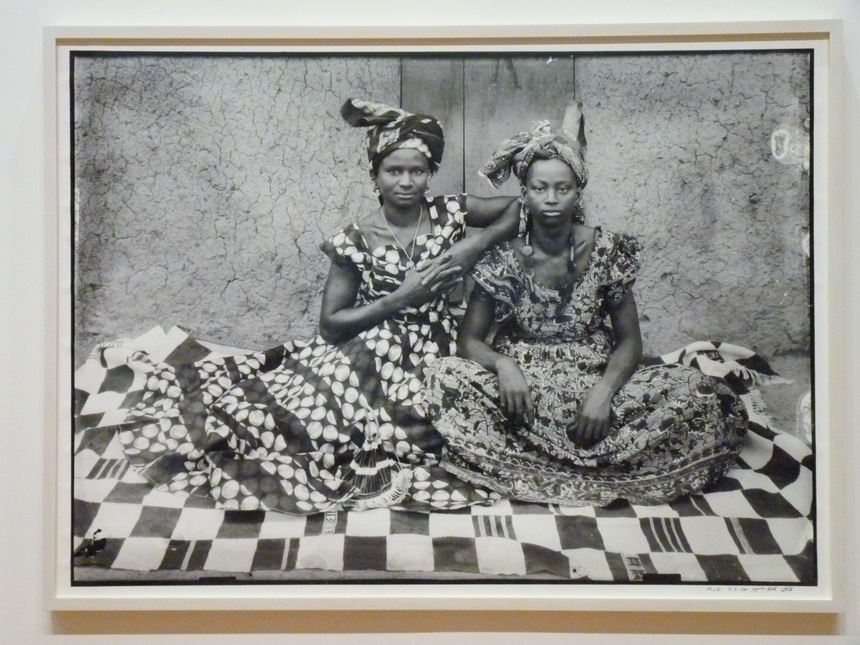
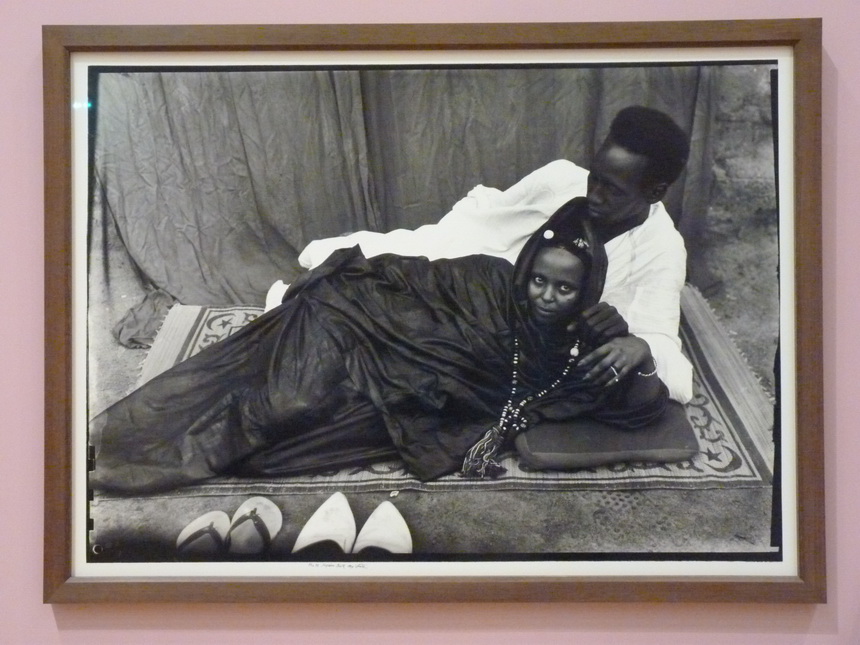
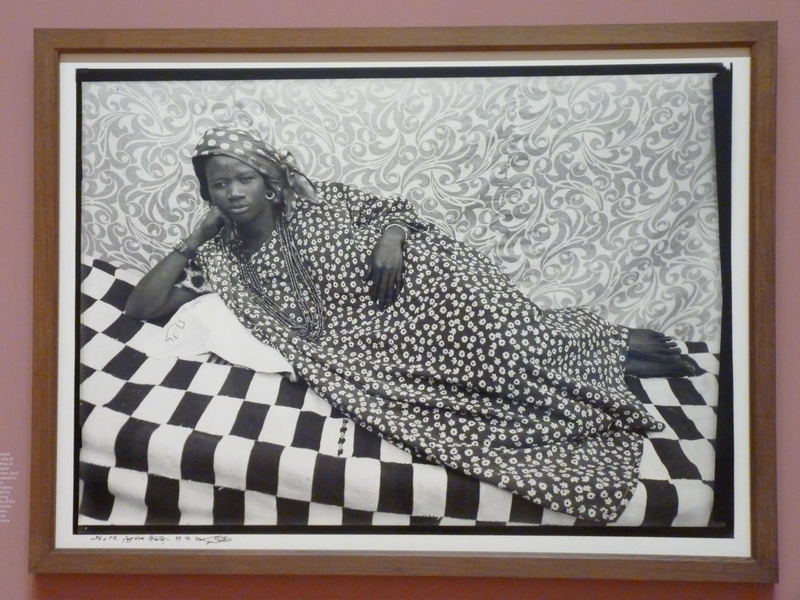
Four years after teaching himself, in 1948, he confidently opened a small photography studio in his courtyard while continuing his woodworking. Conveniently located near the Bamako train station and commercial district, his studio attracted many West African travelers and urban youth, who became his main clientele. Through his keen arrangement of scenes, numerous accessories (white clothing, ties, jewelry, hats, watches, radios, fountain pens, motorcycles, or cars) available for customers to choose, along with poses and photo quality, Keita quickly gained fame. His primary focus was full-body or half-length portraits. "Keita’s photography favored natural light; his portraits, like others, were realized in the studio. He often sought to give customers the most beautiful image, choosing a distinctive composition based on each subject's characteristics, capturing their sensual elegance, carefully arranging the scene, adjusting arms, hands, cheeks, and posture to highlight the beauty of the young girl’s melancholic gaze." This revealed a post-colonial realistic and idealistic social visual identity, affirming local identity and energy, and opening new horizons for African photography.
On September 22, 1960, French Sudan gained independence, becoming the Republic of Mali, with Modibo Keïta elected president. In 1963, Seydou Keita was invited to become an official photographer, closing his studio until he retired in 1977 and returned to his beloved work, focusing entirely on photographic creation. Benefiting from postmodernism, especially after the 1989 Magiciens de la Terre exhibition which prompted the West to recognize non-Western cultures and open new horizons, marginal cultures rose. Westerners discovered Keita’s works in 1991; his first solo photography exhibition opened at the Cartier Foundation in Paris in 1994, followed by exhibitions in many places. That same year, he was honored at the African Photography Encounter held in his home country, Bamako. A retrospective of Keita was held at the Guggenheim Museum in New York in 1997. In the same year, for Tati’s 50th anniversary in Paris, Keita was invited to take photos in his studio; these works were exhibited the following year at the Musée des Arts Décoratifs. In 1998, Keita photographed for Harper’s Bazaar in Bamako. Keita passed away in Paris in 2001. This retrospective at the Grand Palais features works from 1949 to 1962, all reprinted as modern silver gelatin prints between 1993 and 2011.
This article’s information comes from the press release for Seydou Keita, African Photographer, Solo Photography Exhibition at the Grand Palais.