Sheila Hicks
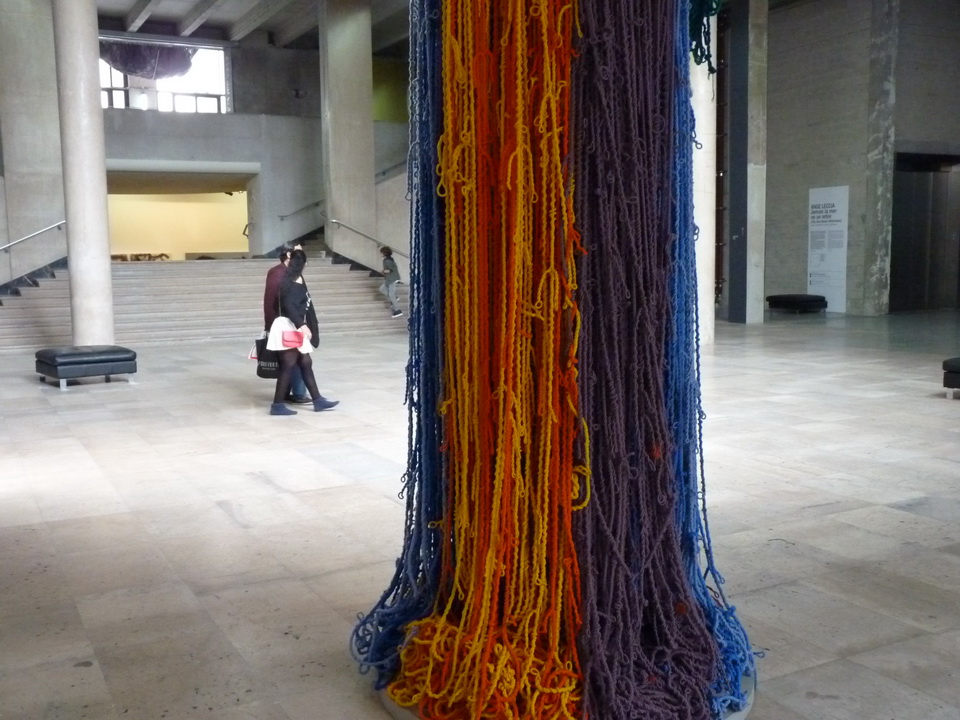
Panoramic view of Sheila Hicks’s solo exhibition "Baoli" at Palais de Tokyo
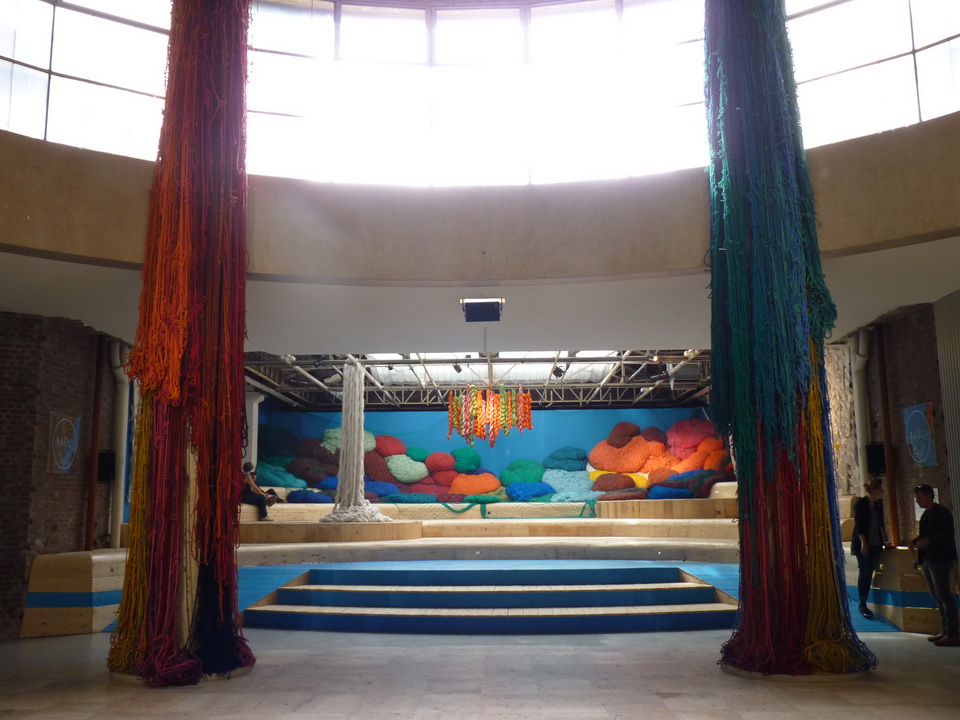
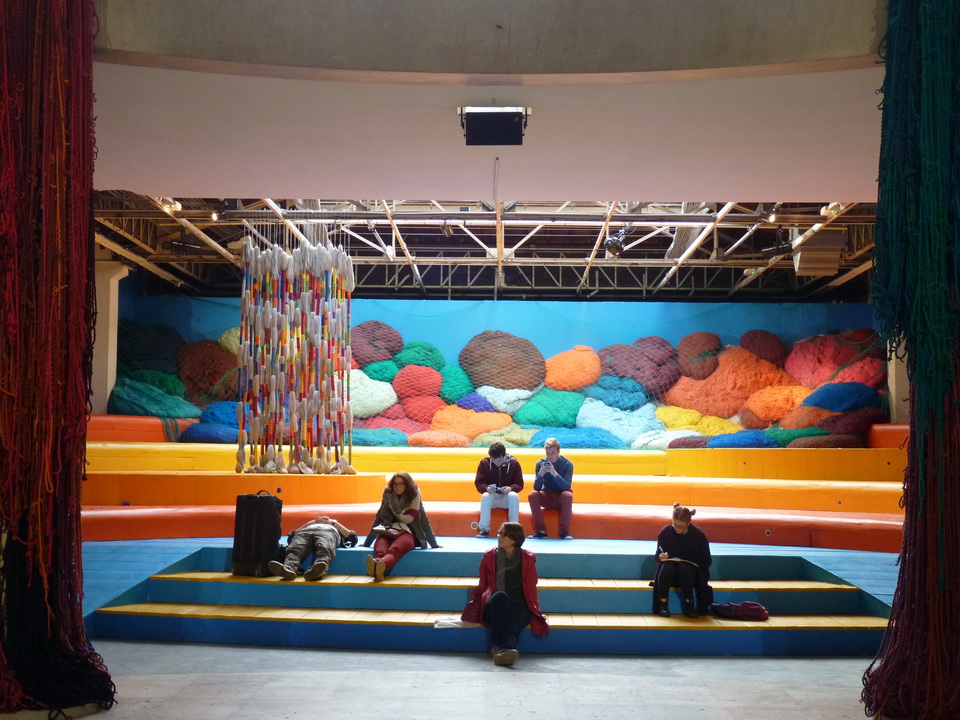
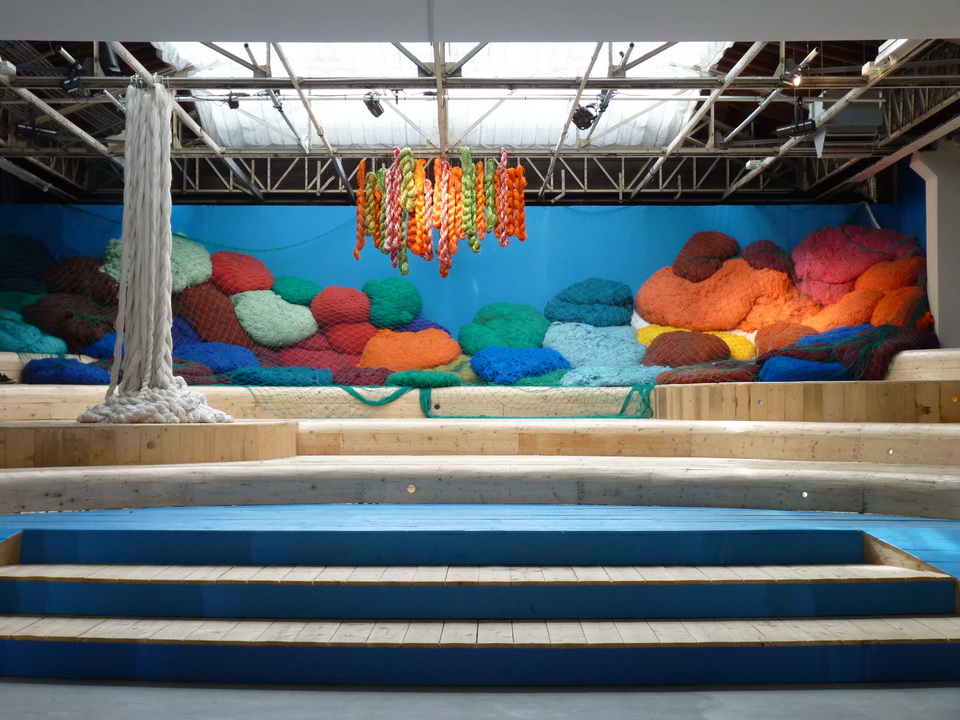
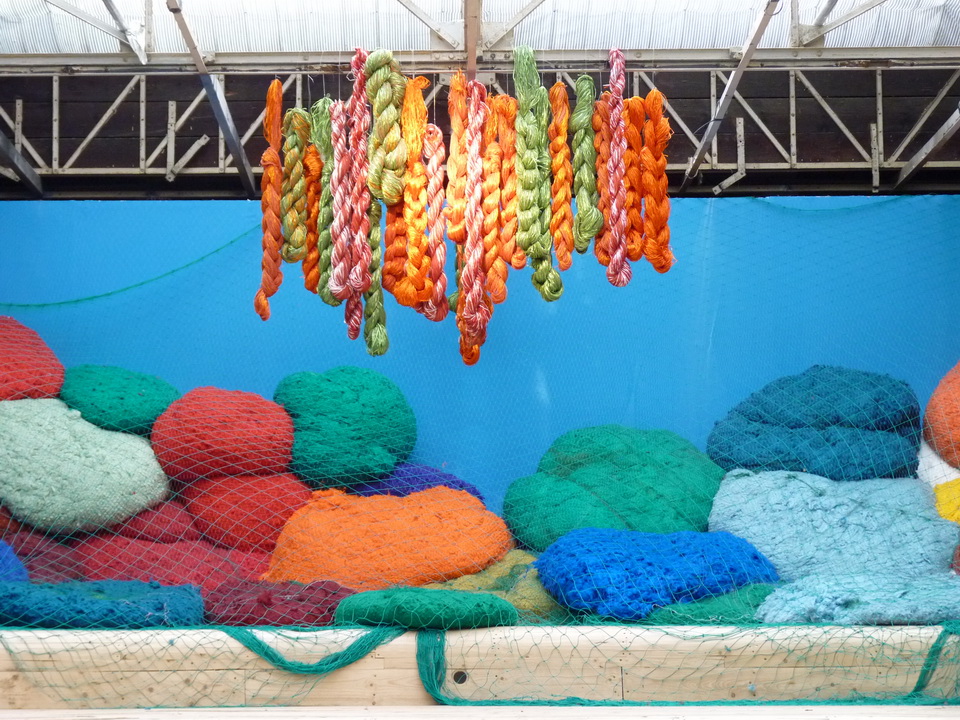
Text and photos by Chen Chi-Hsiang. Baoli solo exhibition (Palais de Tokyo) and Unknown Data solo exhibition (Gallery). Location: Frank Elbaz Gallery. Dates: September 6 to October 18.
Sheila Hicks (born 1930) is a mid-generation American artist, with simultaneous solo exhibitions at Paris’s Palais de Tokyo and the Frank Elbaz Gallery. The Palais de Tokyo presents her work through spatial installation, while the gallery focuses on painting and sculptural objects. Hicks is one of the few American artists to settle in Paris (since 1964). She studied painting with renowned artist Josef Albers at Yale University and wrote a thesis on pre-Columbian weaving themes. Her interest in and influence from weaving led her to develop unique works using rare handcraft weaving techniques since the 1960s, attempting to create a new formal language between painting and object sculpture.
Her work builds upon Bauhaus experience, continuously influenced by travel and culture; her pieces equate process and effect, integrating into architectural space where viewers can enter, wander, rest, and observe the audience seating area at the Palais de Tokyo, becoming a field for gathering and exchange. Within her sensual materials often coexist ethnographic blurred memories. The theme "Baoli" depicts the natural landscape of terraced fields on the Indian peninsula; this dramatic semi-circular stepped architectural space recalls an inverted temple, a place for daily life and ritual bathing.
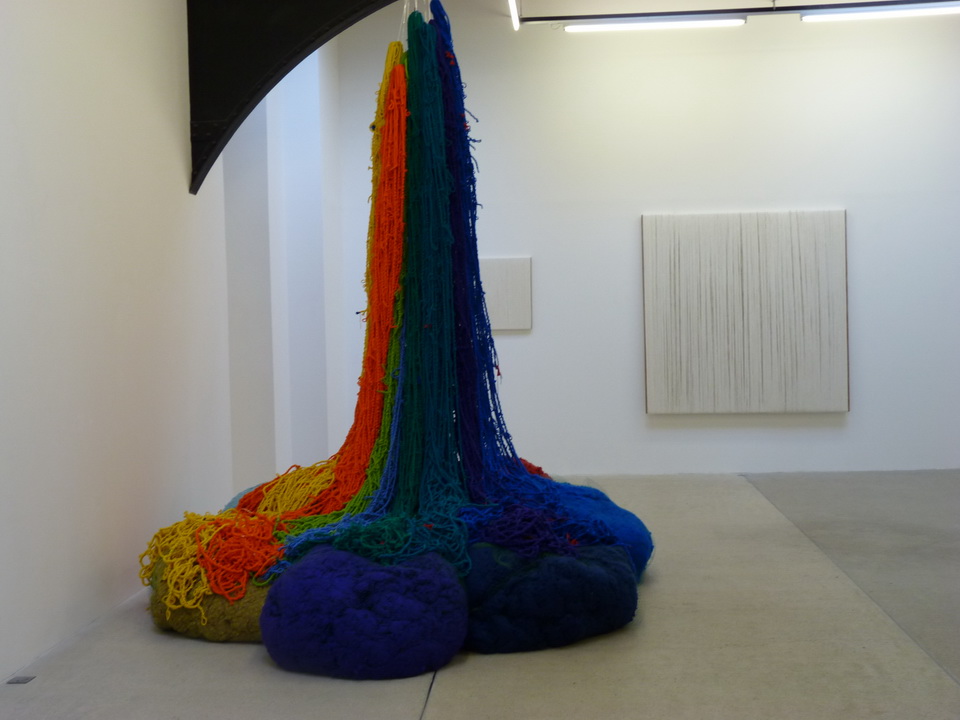
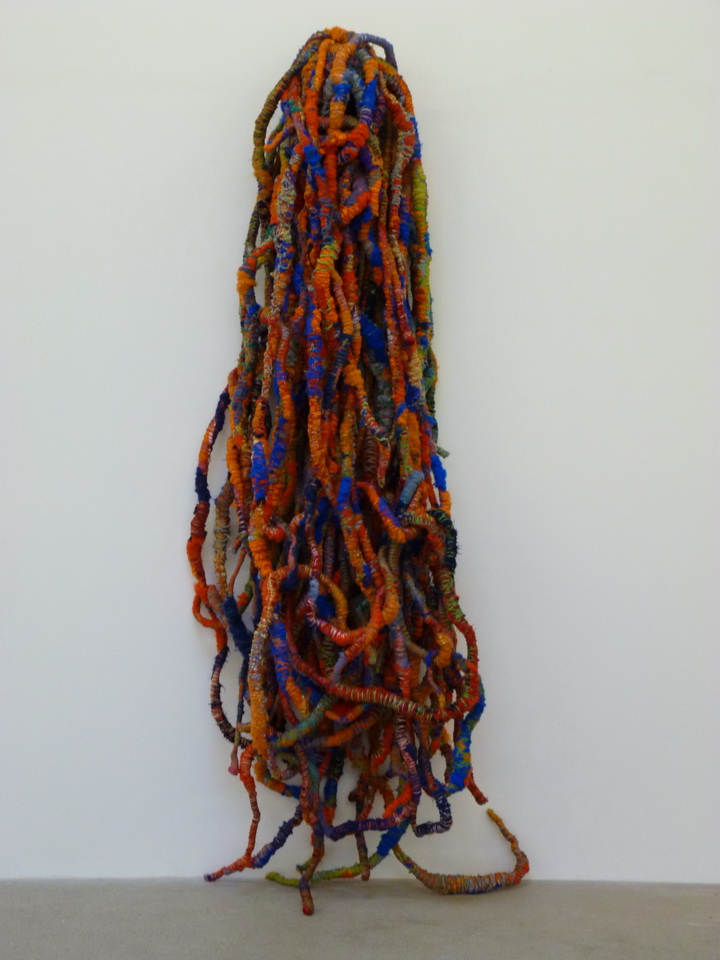
The Frank Elbaz Gallery’s "Unknown Data" solo exhibition focuses more on painting and sculptural objects. Without the special architectural sense of the Palais de Tokyo, within the white theater-like space, the works possess their own uniqueness. Sheila Hicks expresses emotion and consciousness through colorful forms; soft materials change form as they hang according to spatial arrangement. The forms are concise and powerful, constructing and deconstructing traditional artistic media and structures.
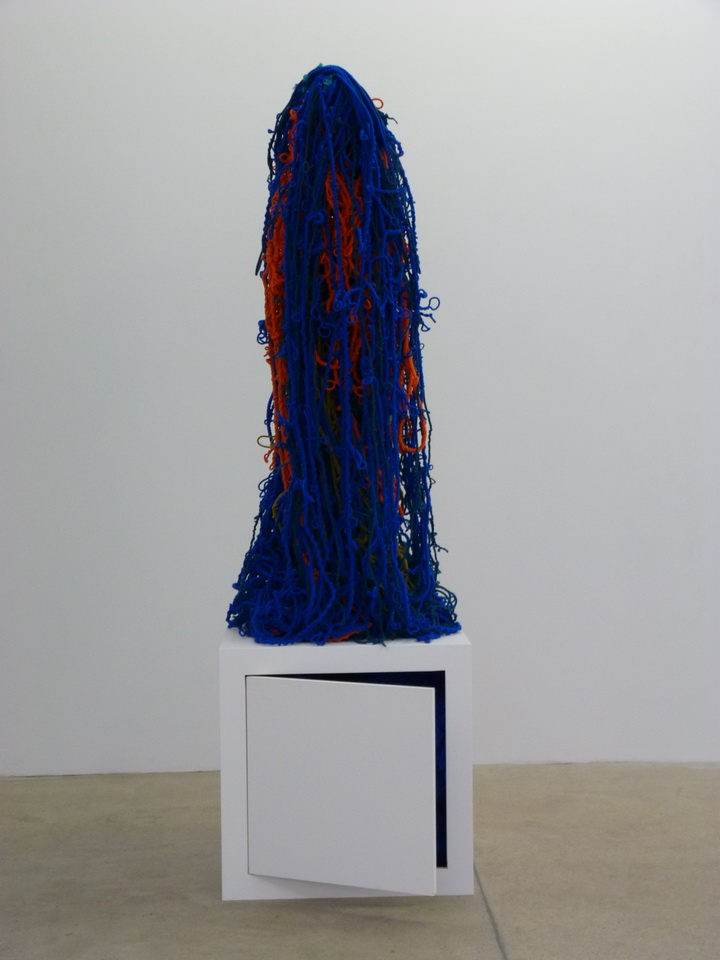
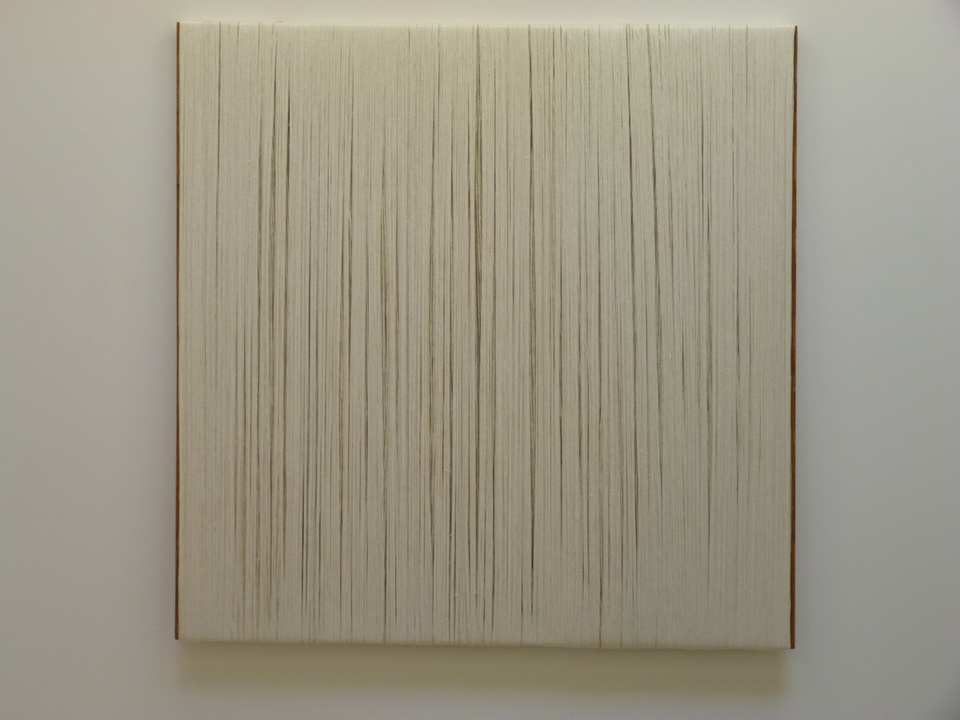
Abstract Descent (2014) hangs from the ceiling, draping to the ground to form a large textile flower, constructed with multiple deep blues, reds, and oranges. Poetic Gaze (2014) features a cluster of bewitching indigo blue fabrics hiding red textiles, with hieroglyphic figures standing guard like sentinels gazing from atop white safes. Vibrant Wild Textile (2013), inspired by pre-Columbian magical weaving, abstractly expresses strong emotions under a red-green psychological consciousness. White Wall of Concept (2014) involves weaving white cotton threads onto canvas painted with color backgrounds; the gaps between threads reveal vitality, both poetic and lyrical. Between abstraction and imagery, sculpture and object, form and color, sign and reference, she constructs her whimsical world.