Paris (13th Arrondissement) Becomes an Open-Air Street Art Gallery
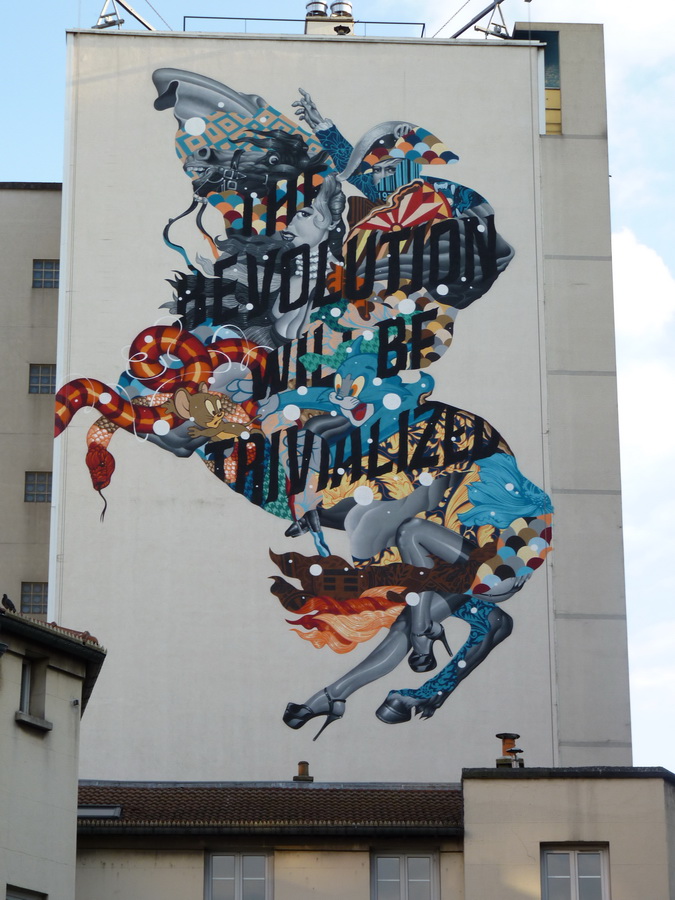
Tristan Eaton b1978 la13 2014
Text and Images / Chen Chi-Hsiang
Paris is divided into twenty arrondissements, each with its own attributes, characteristics, and humanistic and natural landscapes. Paris developed as a metropolis from the banks of the Seine around Île de la Cité, the core area of the City of Light. The spiral shape of the island transforms into a maple leaf form, with the gentle Seine River winding across its leaves. As industry and commerce expanded, the city continued to spread to its edges. Over forty years ago, these fringe areas were dominated by factories and urban warehouses. Since the 1970s, these factories and warehouses have moved further out, while the city continues to develop and expand its territory. Infrastructure has now reached saturation; under conditions where every inch of land is precious, even the edges have become an indispensable part of the urban landscape.
The 13th Arrondissement is located in the southern part of Paris. Historically, it was filled with factories and warehouses, lacking art museums, galleries, true cultural centers, notable gardens, special historic monuments, or amusement parks. However, if one wants to eat Chinese food, the 13th Arrondissement immediately comes to mind. Within the district lies Europe’s oldest and largest hospital, Pitié-Salpêtrière, and the Austerlitz train station (with lines to Spain). Railways and the Seine run parallel through the edge of the district, turning the surrounding area into a railway warehouse zone. Although situated on the left bank of the picturesque Seine, the 13th Arrondissement previously lacked unique riverside scenery. Thanks to the visionary foresight of President Mitterrand, the Mitterrand National Library district emerged today, opposite the "Grand Moulin" (formerly a railway warehouse area). Most notably, the city government transformed the old Grand Moulin flour factory and warehouse spaces into a university district, while a nearby brick kiln with distinctive chimneys became a school of architecture. With recent undergrounding of railways, the Grand Moulin area has become the most fashionable and leisurely residential zone in the 13th Arrondissement, and one of the most charming recreational spaces along the Seine in Paris. This comprehensive urban planning initiative, facilitated by the driverless Line 14 metro running through the area and surrounded by light rail, has made this district one of Paris’s most successful urban development projects in recent years.
Naturally, mentioning the 13th Arrondissement immediately brings to mind Paris’s "Chinatown." During Lunar New Year and other festivals, parades featuring traditional costumes, dragon dances, and lion dances attract large crowds. Anyone wanting to eat Chinese food knows where to go. Chinatown is a hub for Chinese-owned markets and restaurants. It developed after the Vietnam War, when France offered refuge to Vietnamese, Laotian, and Khmer refugees, as well as boat people and ethnic Chinese from those countries. Today, it is the largest Asian food center in Europe. Chinese residents prefer living in high-rise buildings. In the 1970s, developers built dozens of fifteen-story apartment blocks on streets like Ivry and Choisy near the periphery, perfectly meeting this preference.
The 13th Arrondissement has almost no tourism industry or resources and is difficult to attract tourists to, especially since Paris is the world’s most visited metropolis. So how can one create cultural resources or cultural creativity? The city and district governments have racked their brains to find new possibilities. One can imagine that many street names in the 13th Arrondissement honor artists and writers. For example, the street opposite my home is named Rue Duchamp. From classical to modern times, there are references to Rubens, Titian, and contemporary American artist Basquiat, among others. Furthermore, the 13th Arrondissement has the most artist studios in Paris, scattered throughout the district. On Rue Duchamp, right in front of my house, studios line the street; next door on Rue Vauquelin, an entire building is dedicated to them. Only after summer vacation do artists open their studios, allowing visitors to glimpse their work or chat casually with the artists. Naturally, artist studios are not part of the tourism industry.
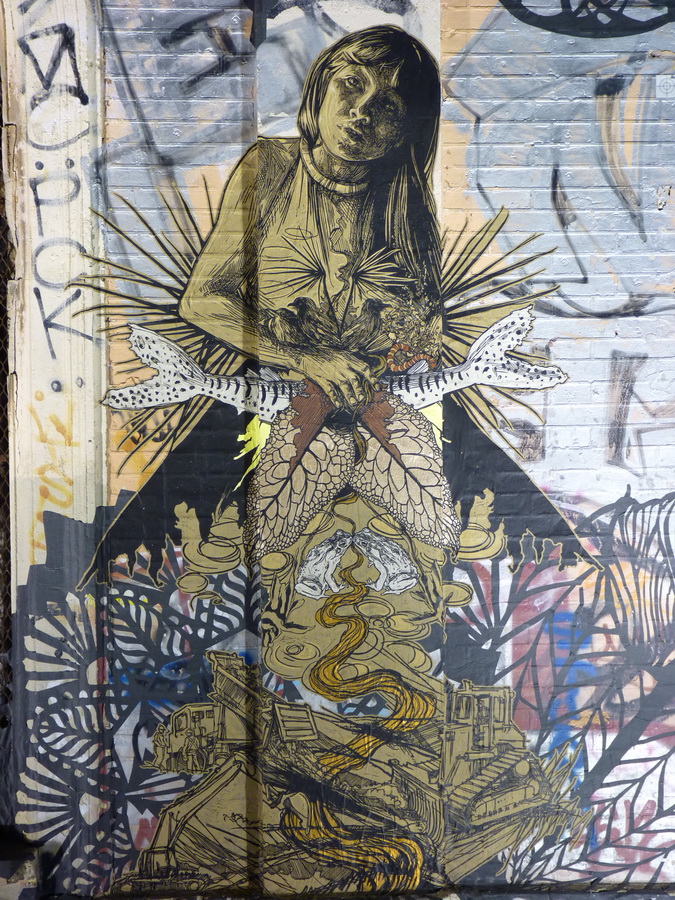
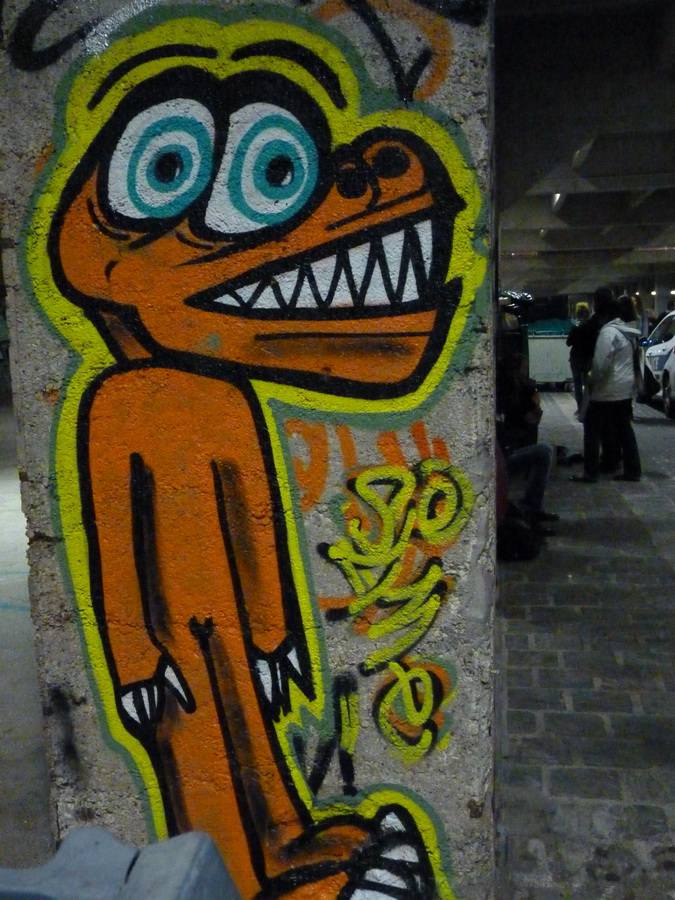
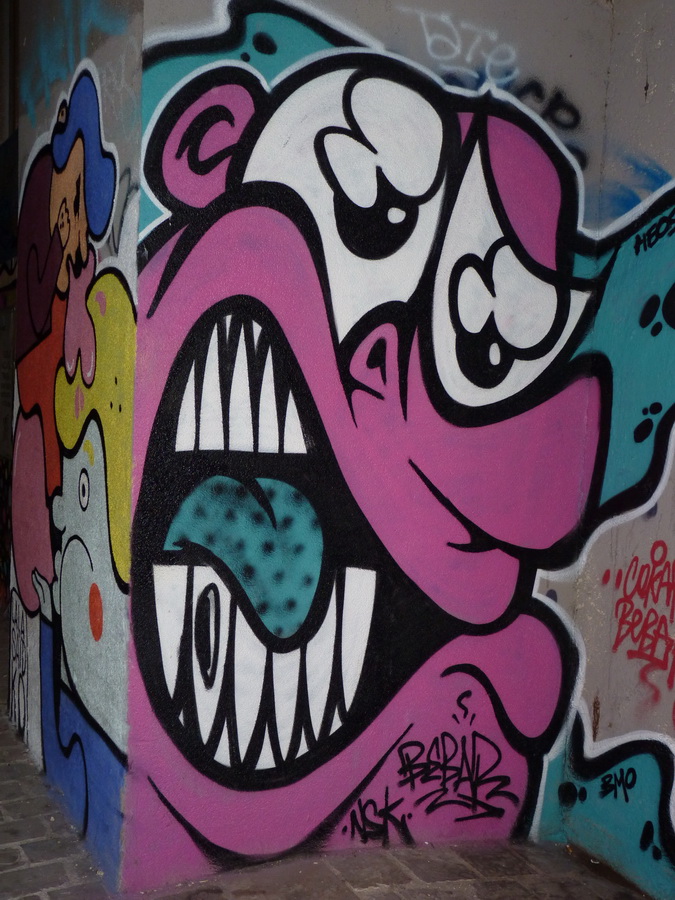
Cultural creativity requires a macroscopic vision and long-term perspective. Most buildings in the 13th Arrondissement are post-WWII constructions. The district itself has several large murals with decorative significance, which seem merely to embellish the urban landscape. Under this concrete forest, what can change the urban scenery and capture people’s attention? Of course, graffiti exists on street art walls, especially in fringe areas. I frequently visit the walls around the artistic village converted from the Grand Moulin refrigerated warehouses. These images possess vitality and freshness, often catching my eye. Pausing during urban walks to glance at them sometimes brings the wonder of discovering a new continent.
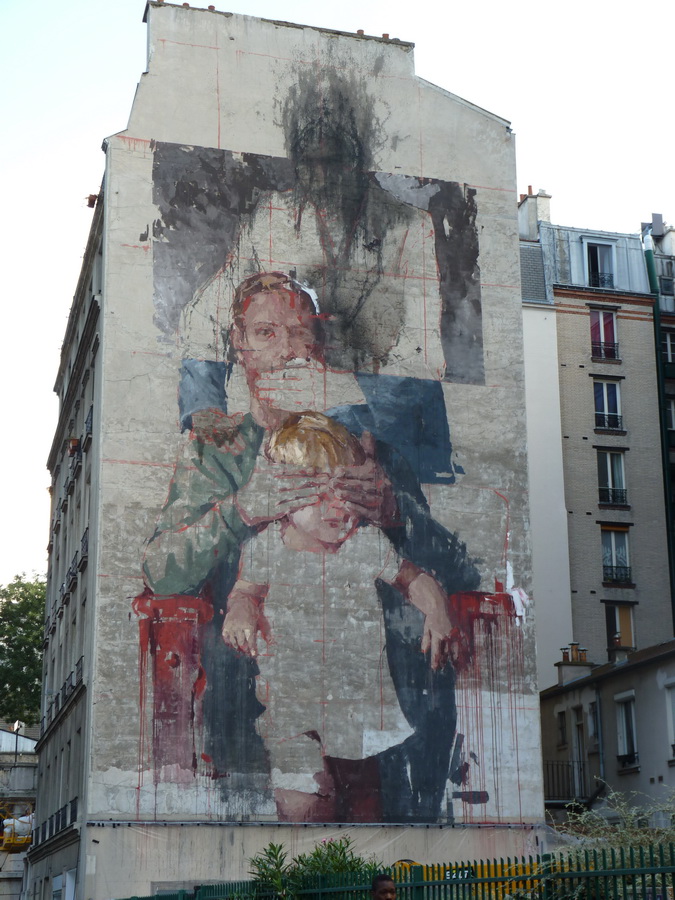
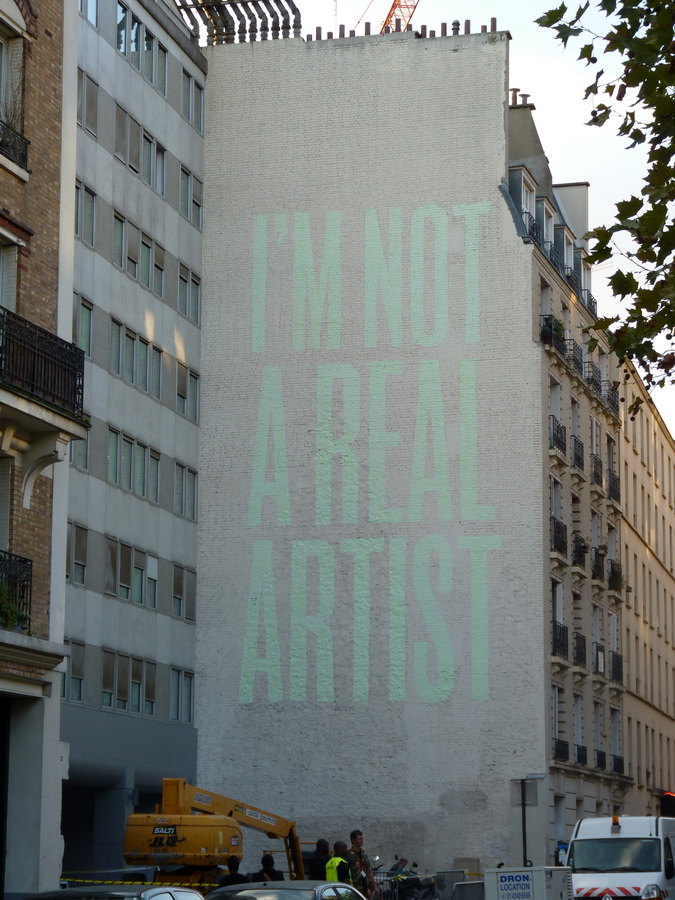
For over two years, the intention for the 13th Arrondissement to become an open-air street art museum in Paris has become increasingly obvious. Coinciding with events by the riverbank last year, a large building construction project hosted the "Paris International Street Graffiti Art Exhibition," an extraordinary global street graffiti special exhibition proposed by Mehdi Ben Cheik, a gallery owner with a macroscopic vision, in collaboration with the 13th Arrondissement political council. Also known as "La Tour Paris 13," it served as a temporary street art gallery (Note 1). Simultaneously, within the district government offices, an "International Street Graffiti Art Exhibition" took place, featuring renowned street artists from around the world. Following this innovative exhibition, the city and district governments invited international street artists to participate in creating large-scale street art murals in the 13th Arrondissement. Starting near the National metro station, patches of vibrant street art began to bloom on walls. Especially after summer vacation, two massive murals were completed on the tallest building in Chinatown, the 13th Arrondissement.
This year, daytime and nighttime, the 13th Arrondissement has become a street-art graffiti zone in Paris, particularly held in fringe areas. Near the Mitterrand National Library, this peripheral area has become a pilgrimage site for street art, adding four more large murals. Full of vitality, these works beautify the urban landscape in a novel way. The city government plans to develop the 13th Arrondissement into Paris’s new mural district, creating a trendy new cultural tourism zone. In future Paris tourist guidebooks, the 13th Arrondissement will be specifically noted as an open-air street art museum in Paris. This is a special attraction for deep travel, allowing visitors to stroll and explore the urban landscape and humanistic culture of the 13th Arrondissement. Besides eating Chinese food in the 13th Arrondissement, the added cultural value is appreciating the large street art murals created by young people. Additionally, one may continue to encounter unexpected wall graffiti in the surroundings, bringing endless joy.
Note 1: "Paris International Street Graffiti Art Exhibition" 2013-11 Participating Blog