Surrealism
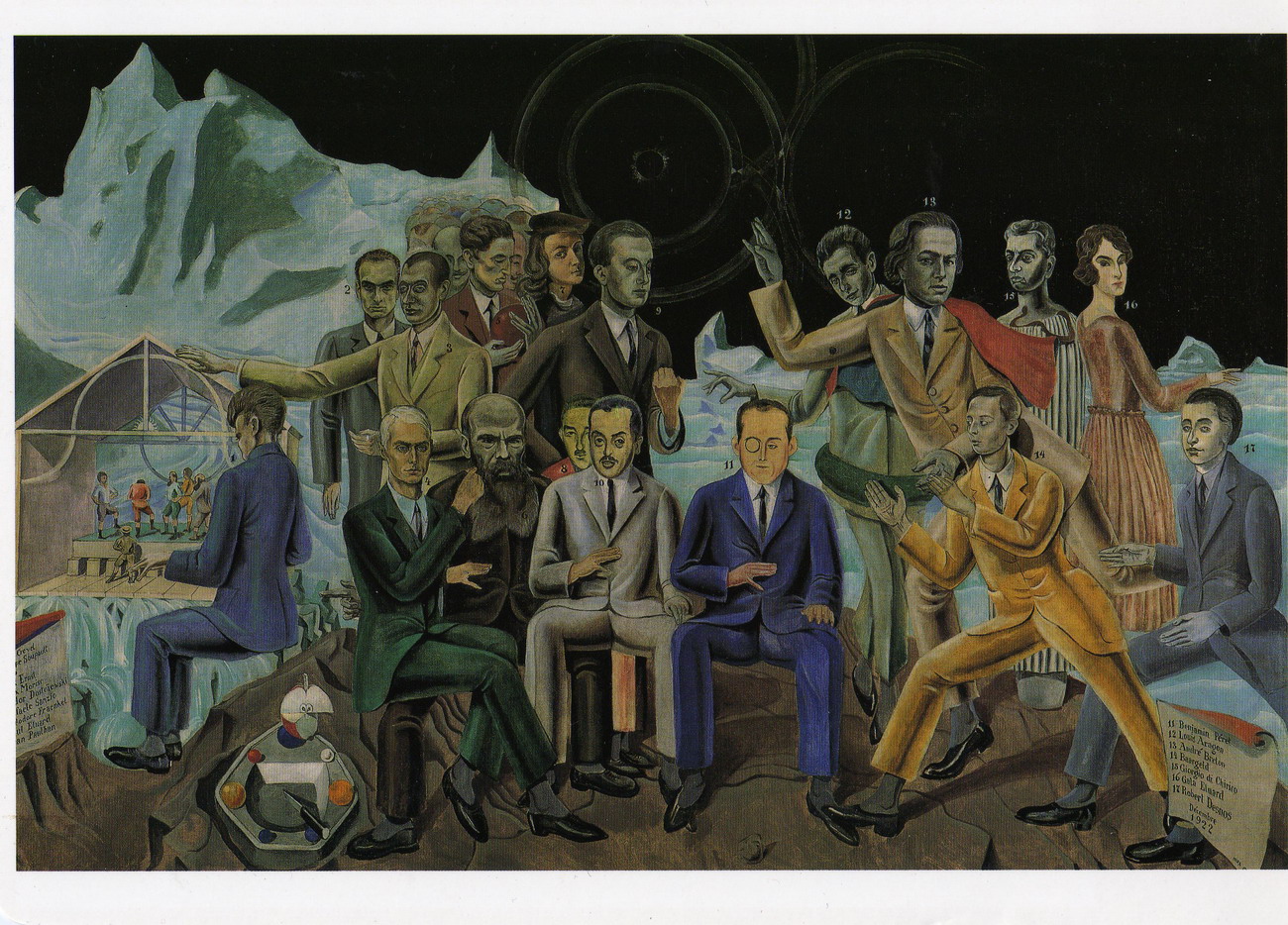
Ernst Rendez-vous des amis surréalistes 130x195cm 1922 Cologne Ludwig Museum Collection
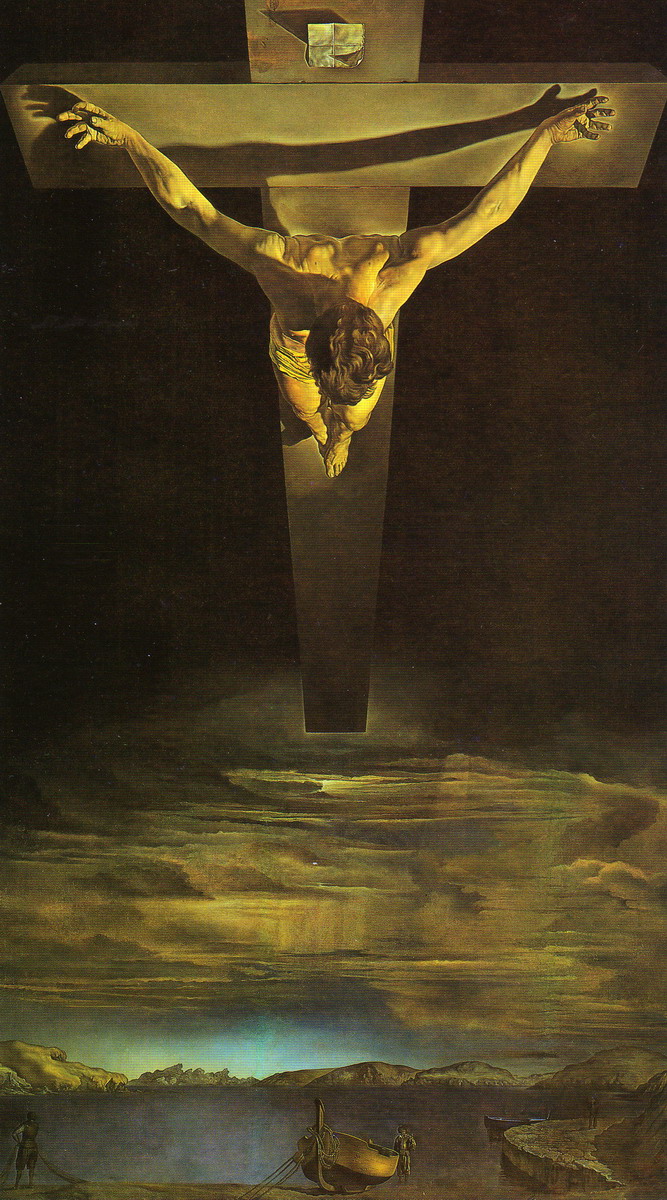
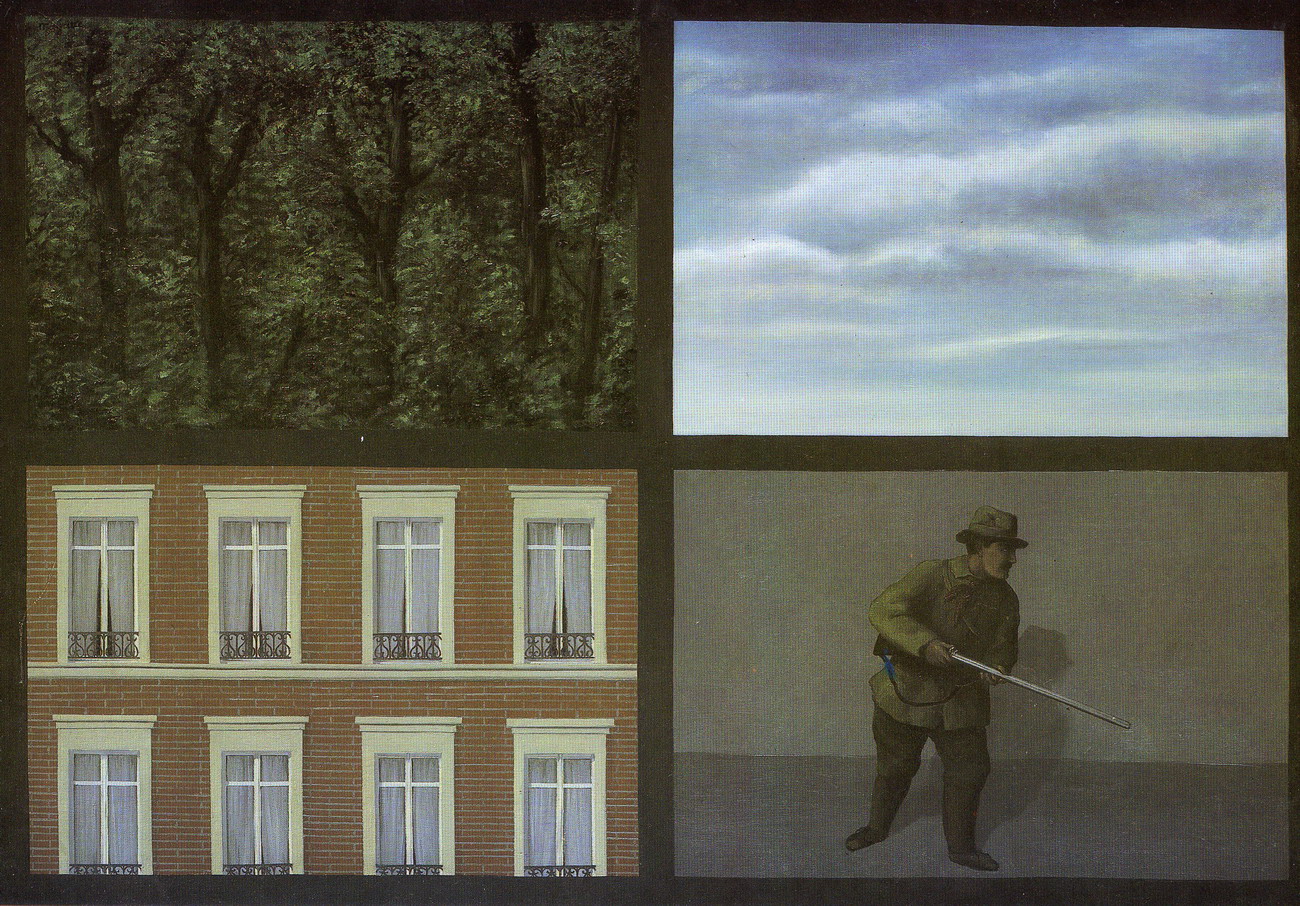
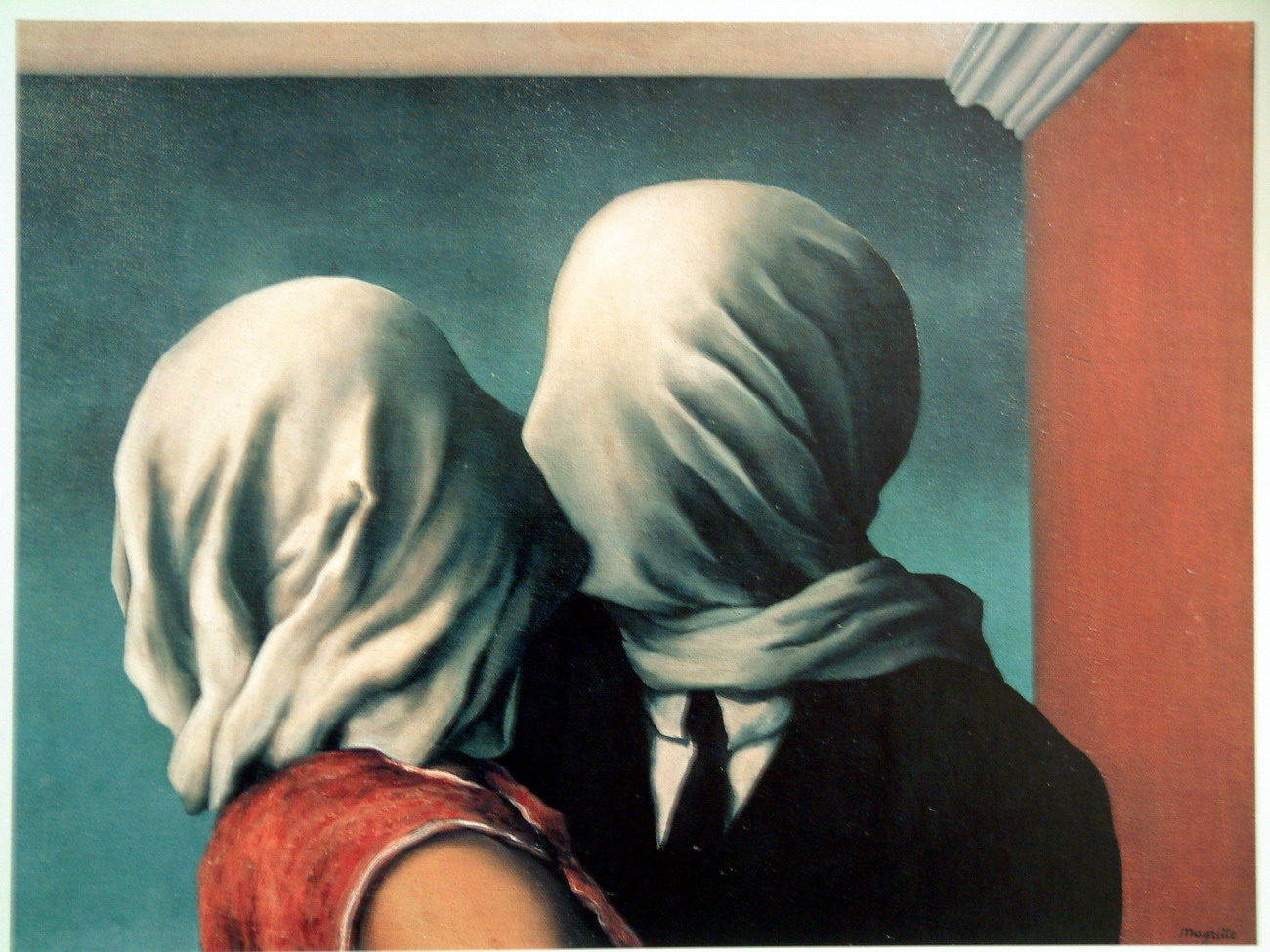
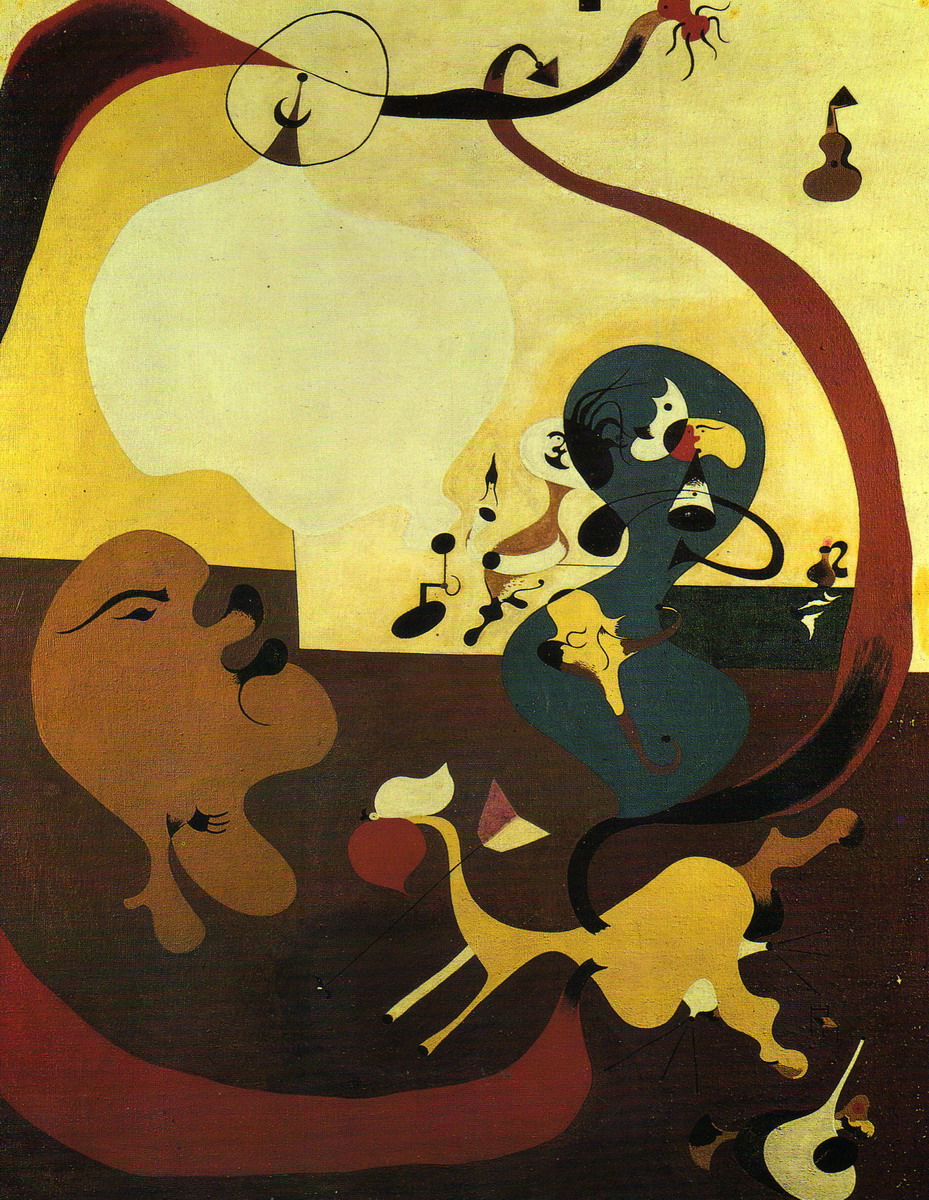
{Surrealism: Known as automatism, purely through psychoanalysis, people attempt to express the true function of thought through writing or all other methods. Thought is dictated and mastered without examination, clearly by the mind, beyond all aesthetic focus and morality.}
Andre Breton 1924
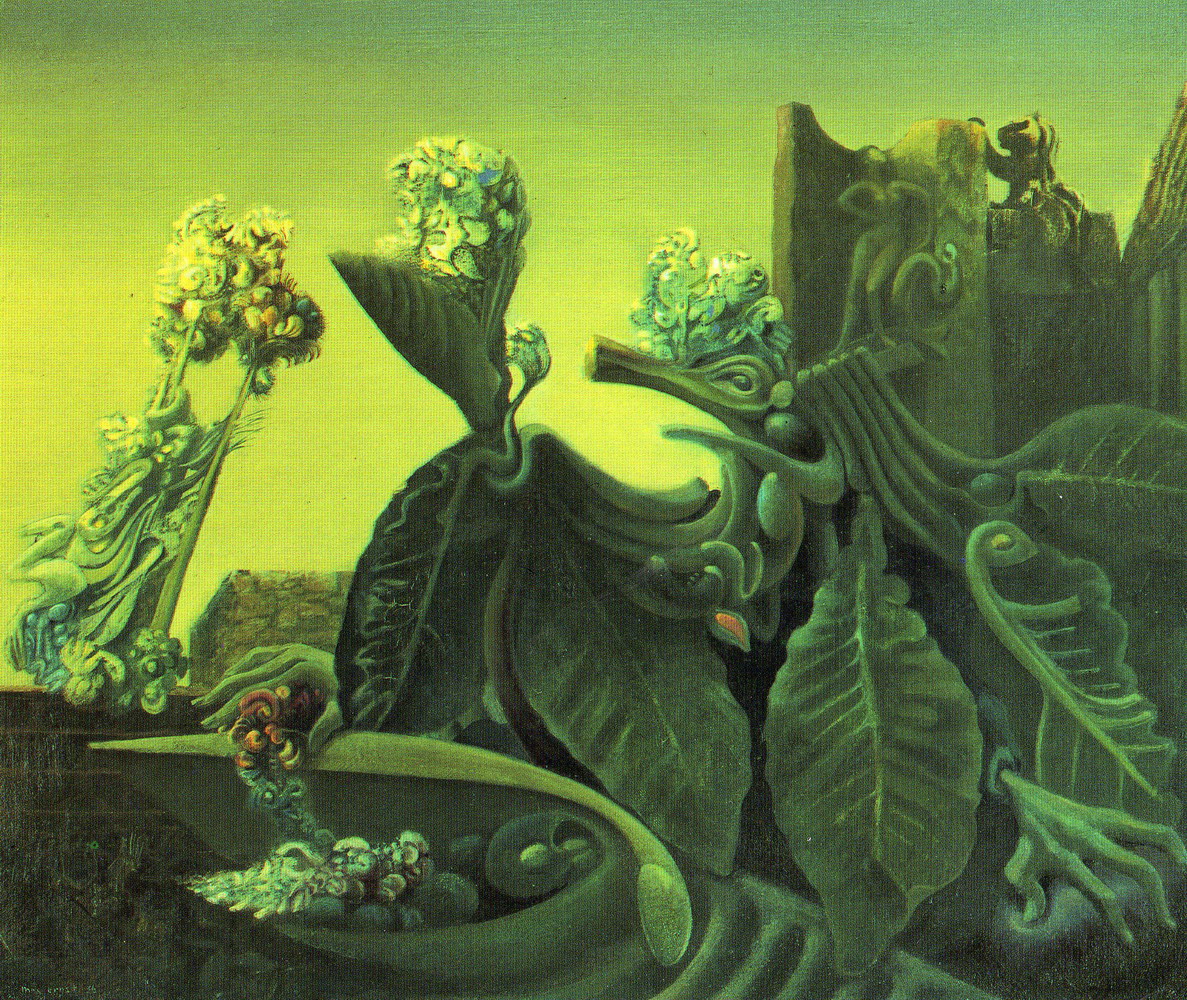
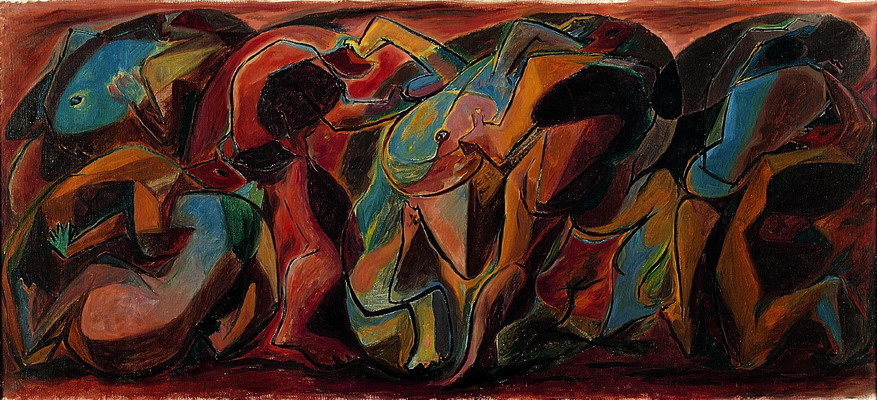
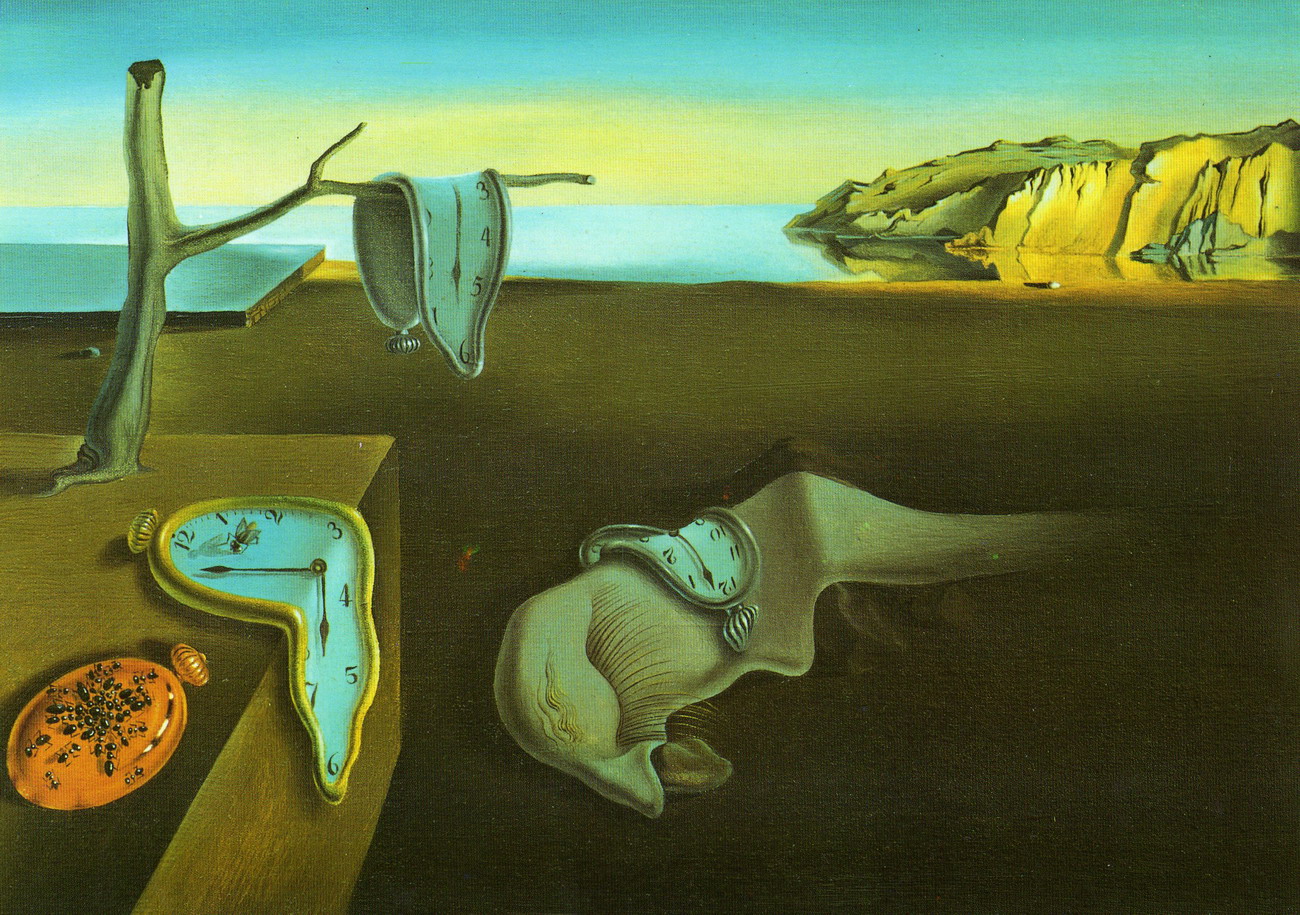
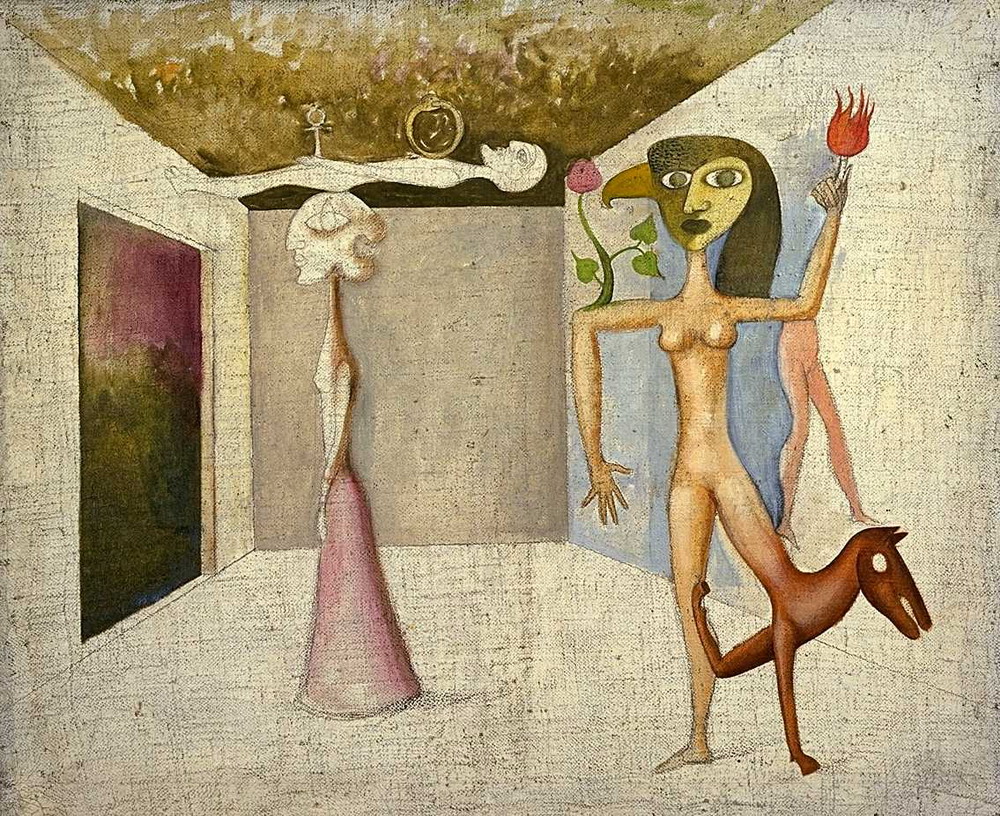
Surrealism is an extension of Dadaism. The term originated from a prophecy in Apollinaire's Le Coeur à gaz (The Gas Heart) in 1917. By 1924, André Breton defined it, and artists Arp and Ernst from Dadaism, along with poets Paul Éluard and Benjamin Péret, jointly published the First Surrealist Manifesto: "Surrealism is pure psychic automatism, intended to express (whether verbally, in writing, or by any other means) the true functioning of thought. It is a record of thought, free from any rational control and independent of all aesthetic and moral prejudices." Surrealism emphasizes Freudian psychoanalysis. As Breton concluded: "The symbolic expression released in dreams, and dream analysis, can evoke poetic effects." Therefore, under the process of unconscious behavior, Surrealism is essentially a problem of poetic creation. In fact, painting and sculpture are considered transformations of poetic images, the artist's metaphysical "visual poetry."