Visiting Tate Modern Art Museum - 4
Abraham Cruzvillegas: "empty lot" 2015 installation
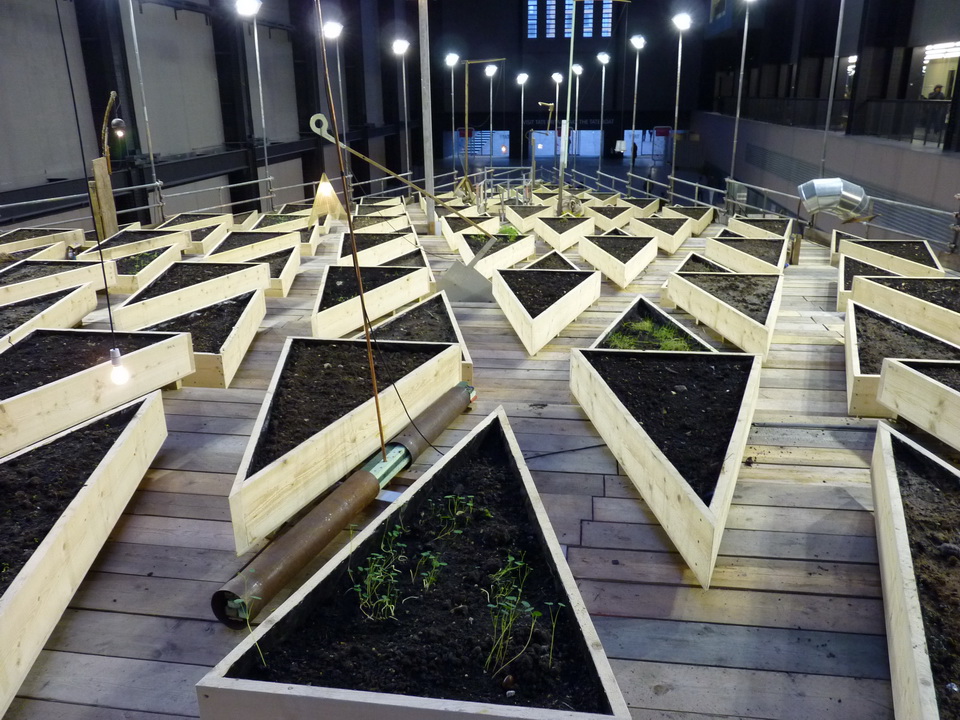
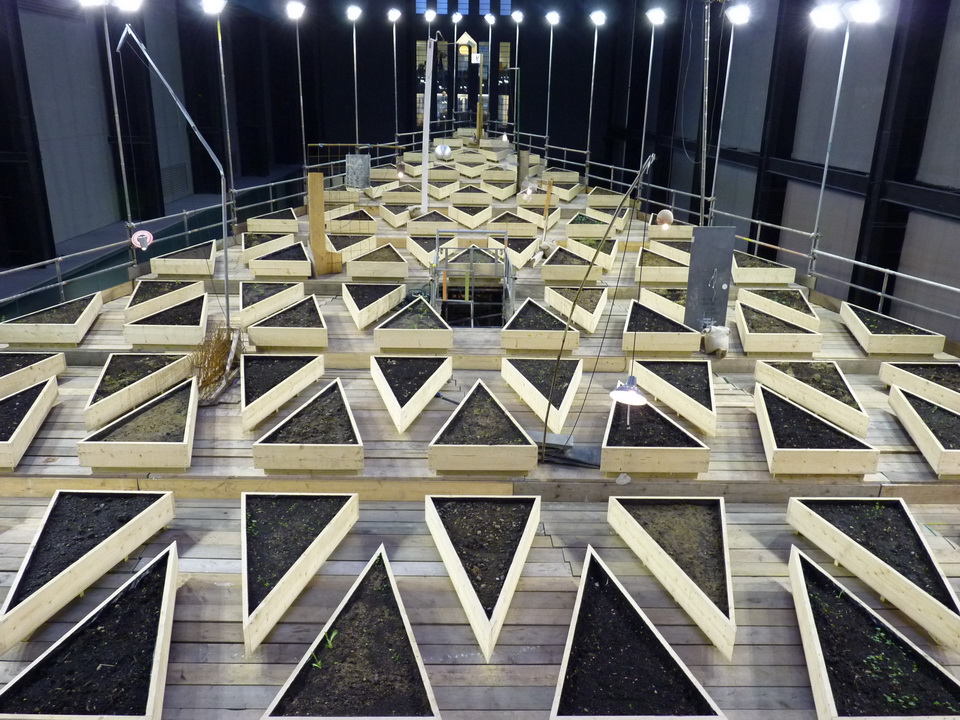
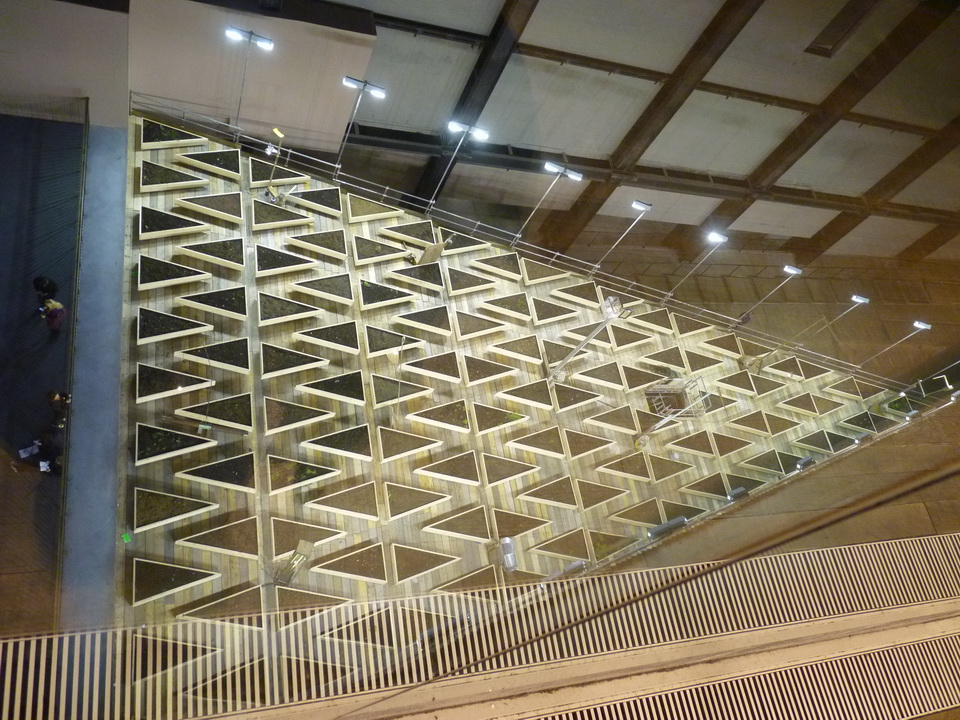
Text and photos by Chen Chi-Hsiang. After visiting the Serpentine Sackler Gallery following the XLVIII AICA International Congress in London 2015, we decided to go to Tate Modern. Near the subway station, we bought sandwiches to fill our stomachs first. Due to the time (nearly 3 PM), we walked and ate while taking the subway to rush to Tate. Because we were unfamiliar with the route, my sense of direction failed; fortunately, Cai had a keen compass. After calibration, we crossed the bridge and walked along the Thames, passing the world-famous Shakespeare's Globe Theatre, arriving at the hall of contemporary art—Tate Modern. Although the summer vacation had ended, the museum was still crowded.
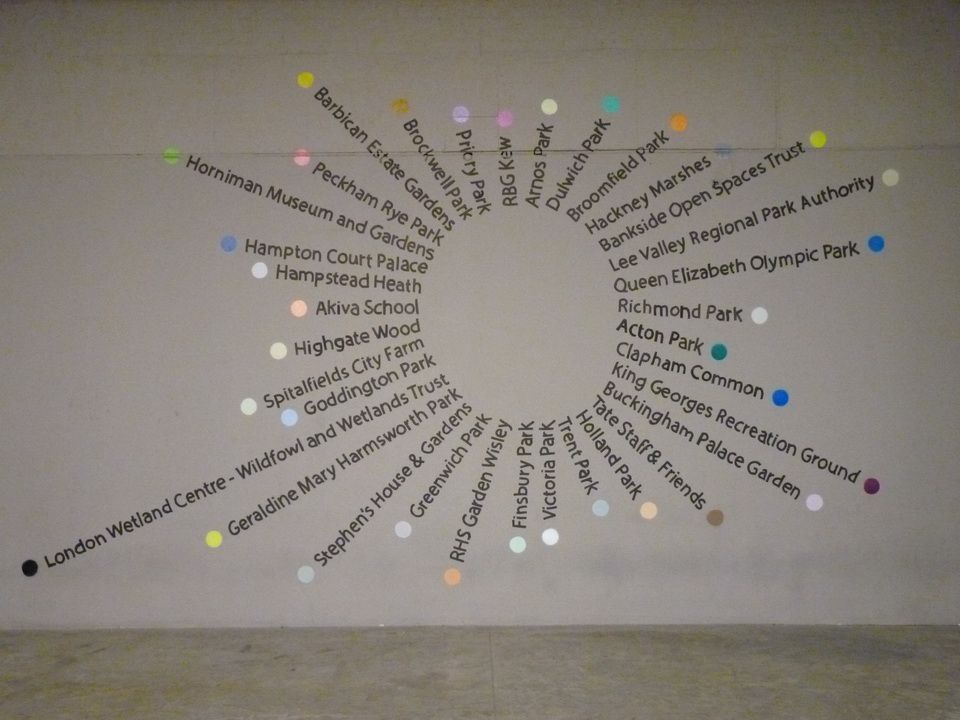
In the spacious, high-ceilinged exhibition space on the basement level of Tate, there is a unique architectural and conceptual environmental installation, a masterpiece by the famous Mexican mid-career artist Abraham Cruzvillegas (b. 1968). He excels in sculpture, installation, painting, and video, often challenging viewers' perceptions and triggering imaginative spaces through unexpected auto-constructions. Here, he established a rhythmic empty lot within the Tate space, titled "empty lot," inviting further reverie. Triangular (soil) pots are arranged in geometric symmetry and gradient to form triangles, edged with a series of spotlights pointing toward an indoor plant greenhouse. Symmetrically placed on both sides of the platform, the imagined garden seems to cross the viewer's platform. The soil in the flower pots comes from lands all over London. The artist carefully tended the soil in the pots; whatever grows from watering and irrigation is nature's most magical essence—art.
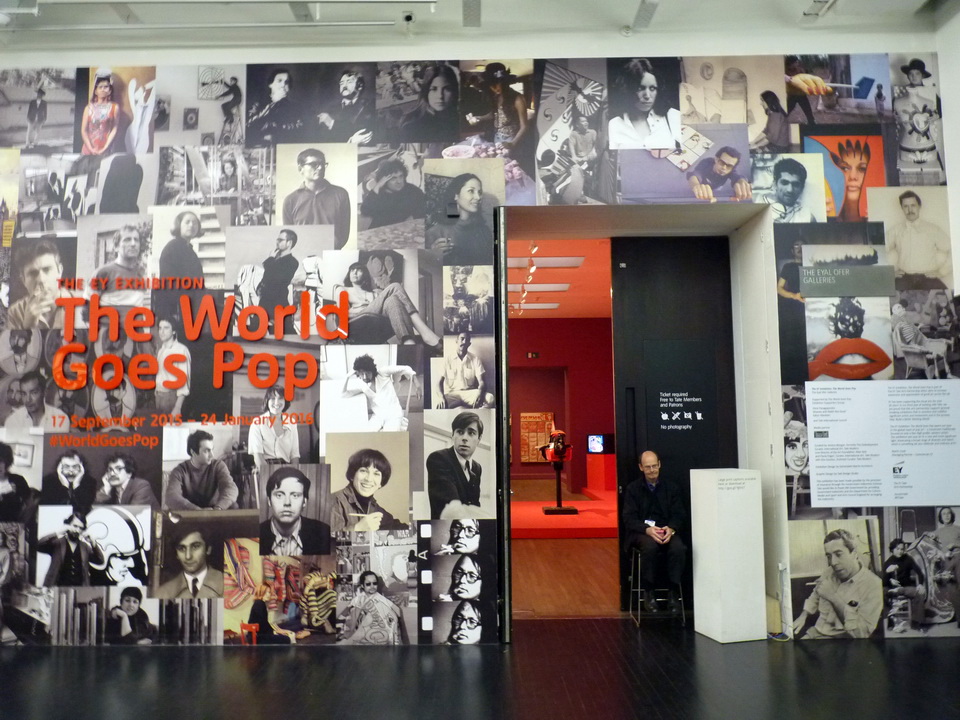
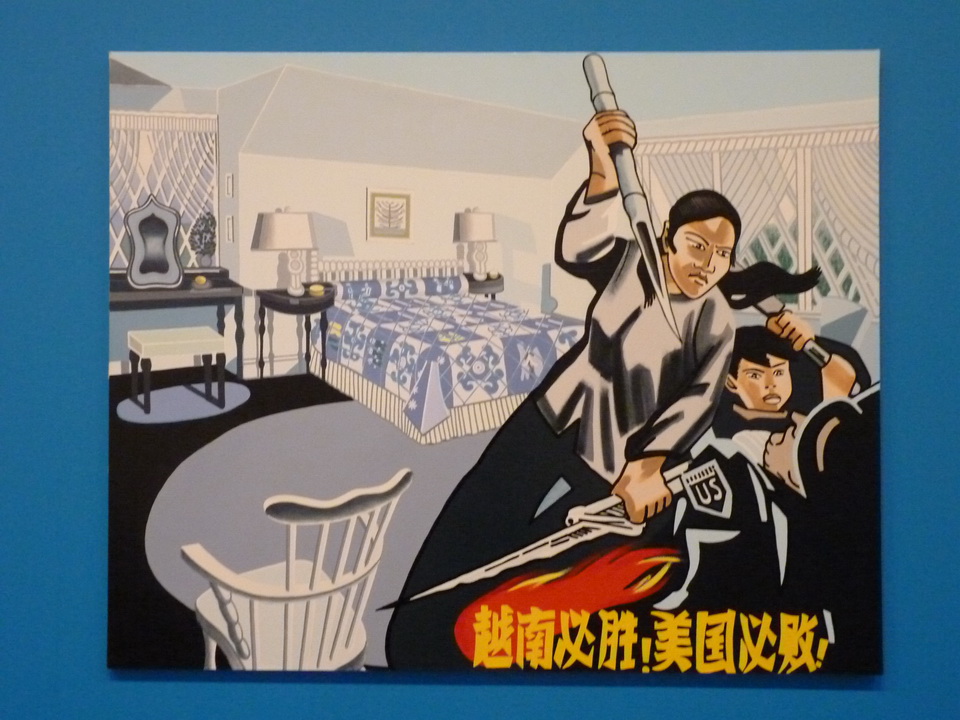
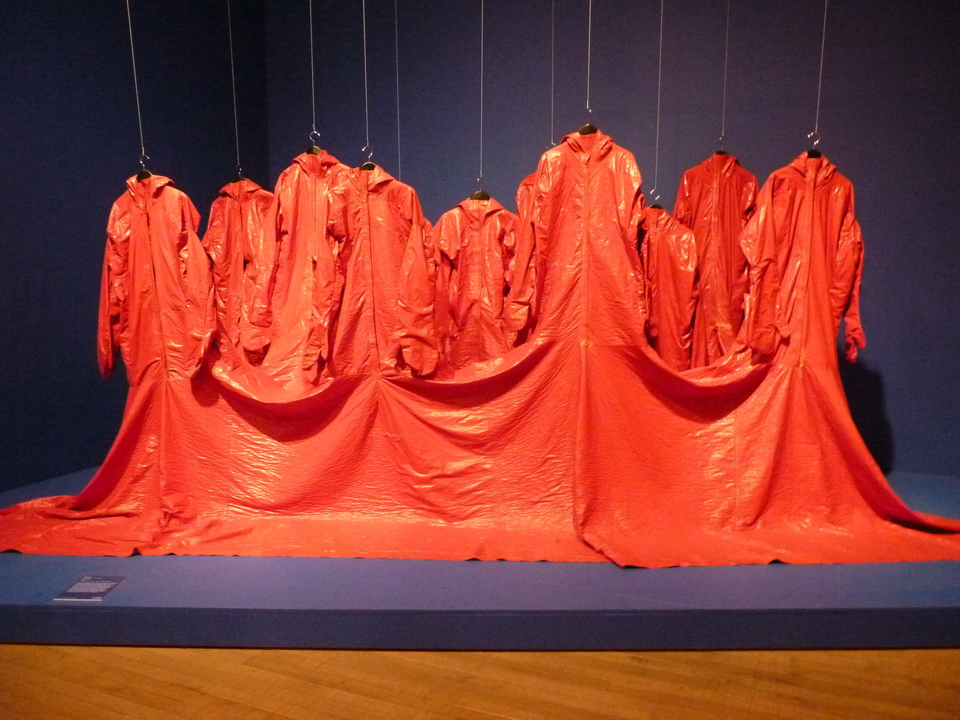
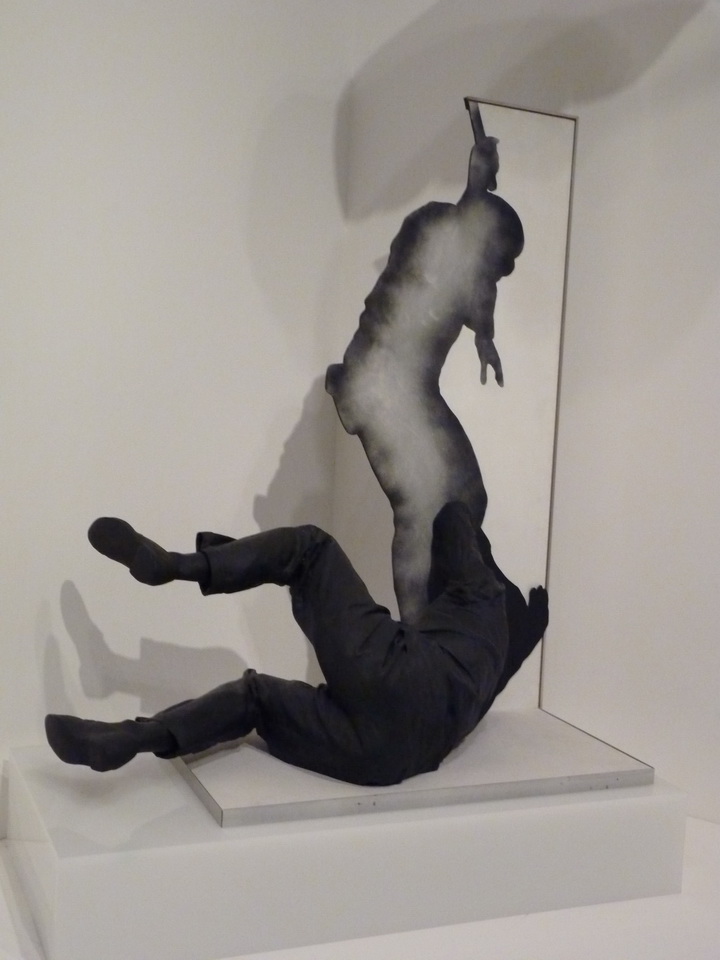
On the upper floors, several exhibition spaces were changing shows. I accompanied Cai around two collection exhibitions, as I am already very familiar with Tate's collection, savoring modernist works once more. The current highlight special exhibition is undoubtedly "The World Goes Pop." Pop art is a purely Anglo-Saxon product. The US not only became the vanguard of Western democracy but also led cultural trends. After the 1960s, eating hamburgers and drinking Coca-Cola became fashionable. Western society entered the era of art consumption and consuming art. Clearly, British and American Pop art, within the social phenomena of flatness, saw numerous global Pop artists become weapons of combat, such as Spanish artist Rafael Canogar or Icelandic painter Erro, carrying social consciousness and historical witness.