Tino Sehgal – The Artwork Is There, It Is Us
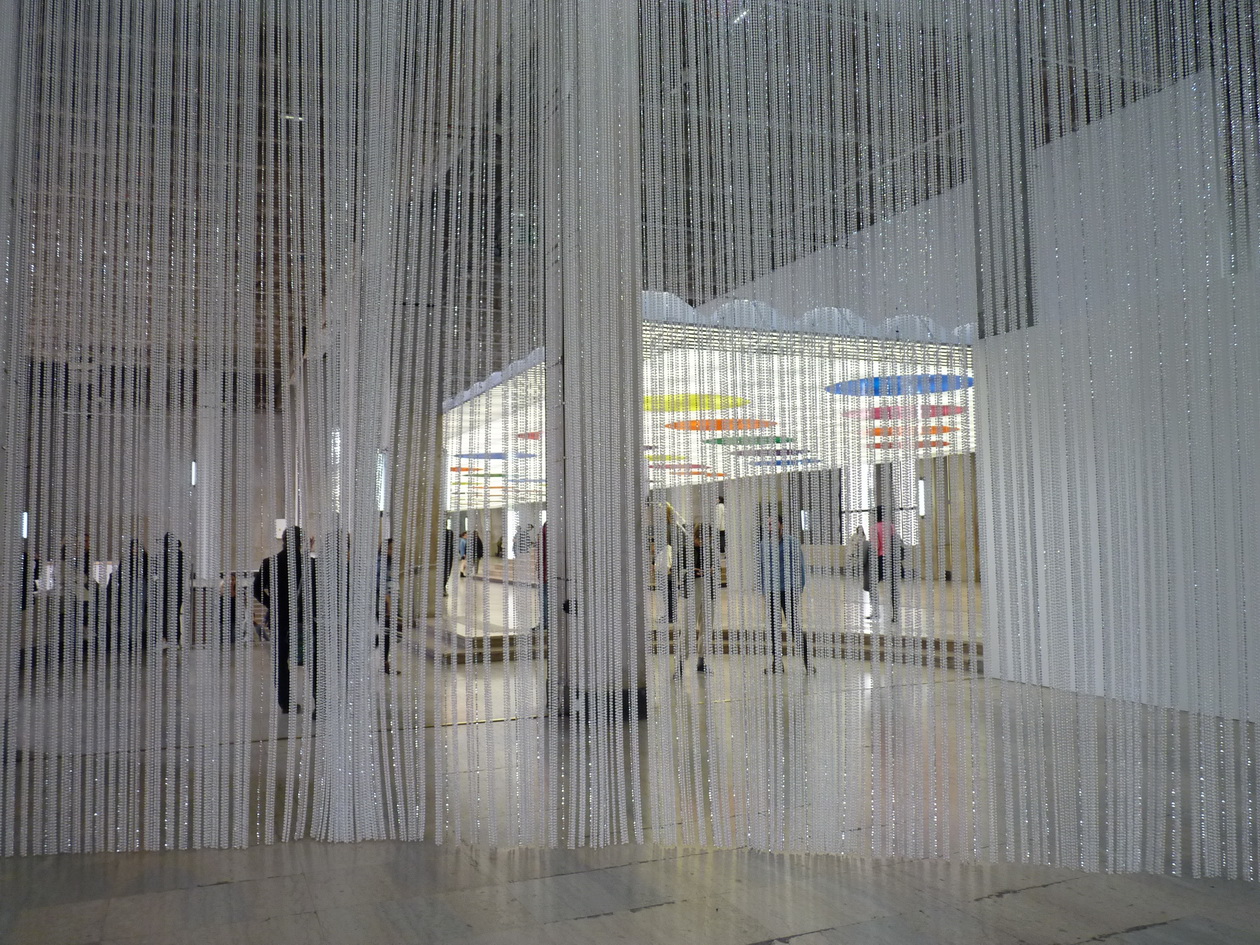
Felix Gonzalez-Torres's large bead curtain entrance
Text and photos by Chen Chi-Hsiang
"Art does not exist, art is you." Benjamin Péret
Venue: Palais de Tokyo, Paris | Dates: September 7 to December 31
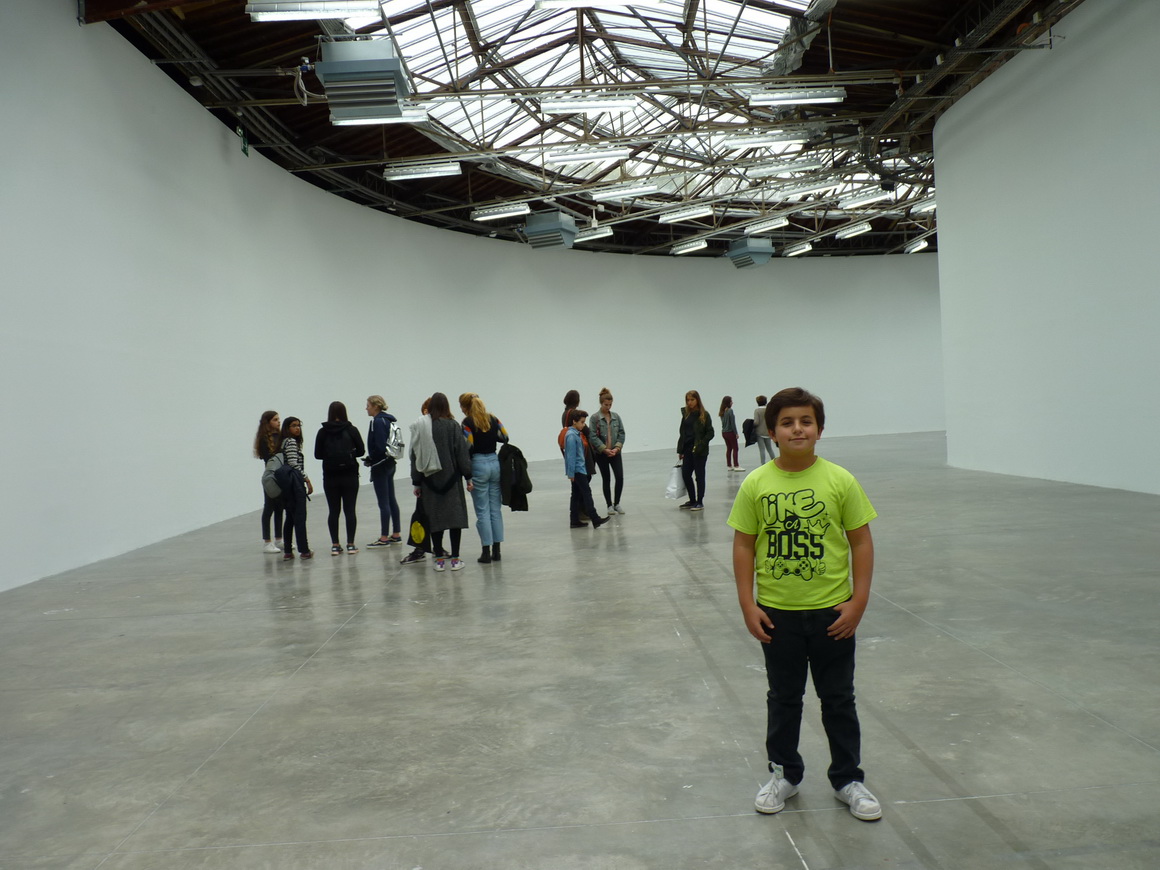
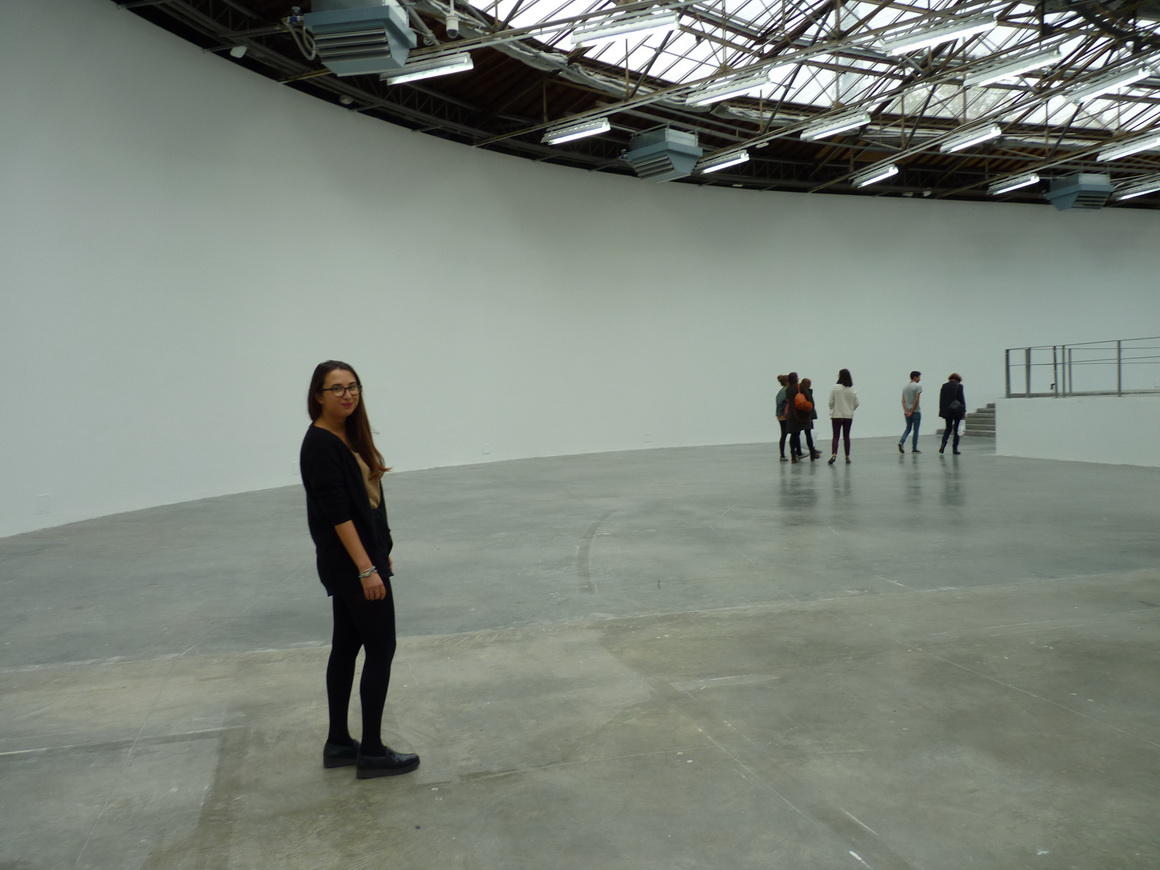
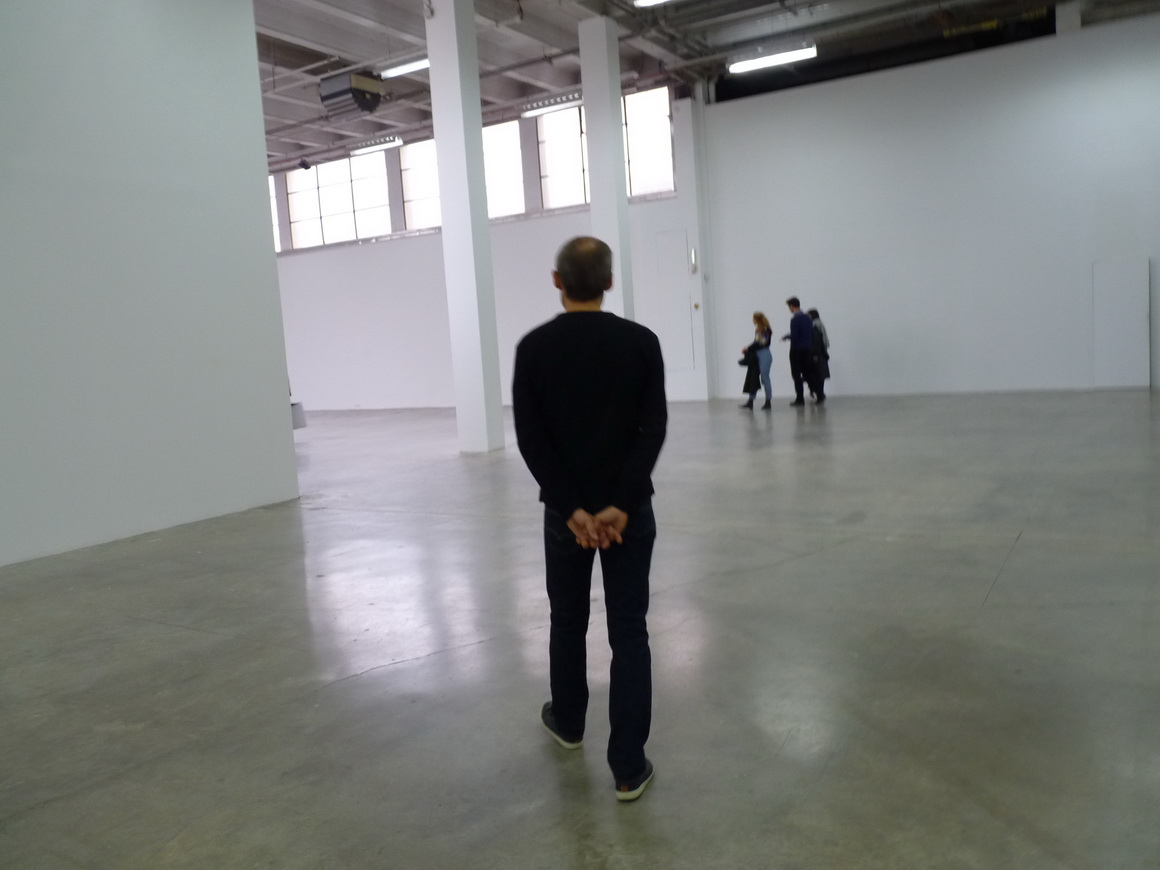
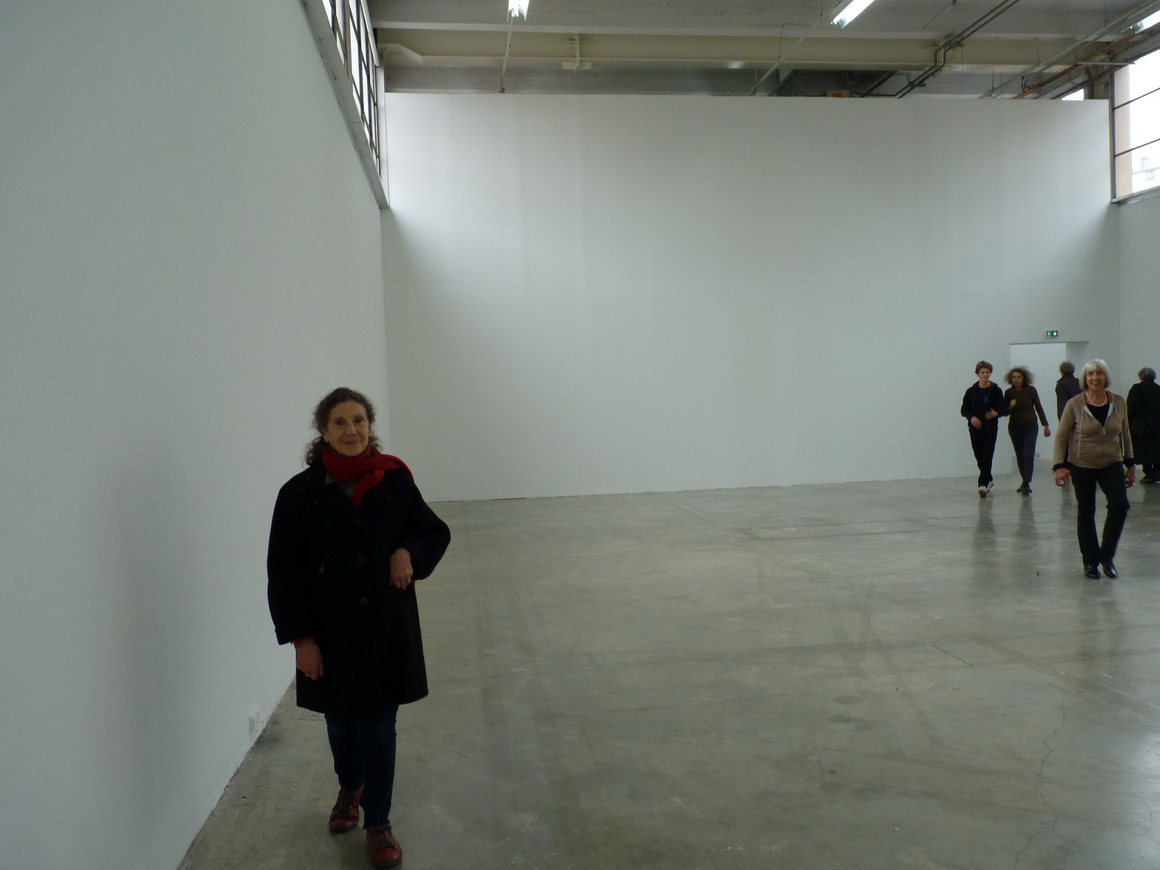
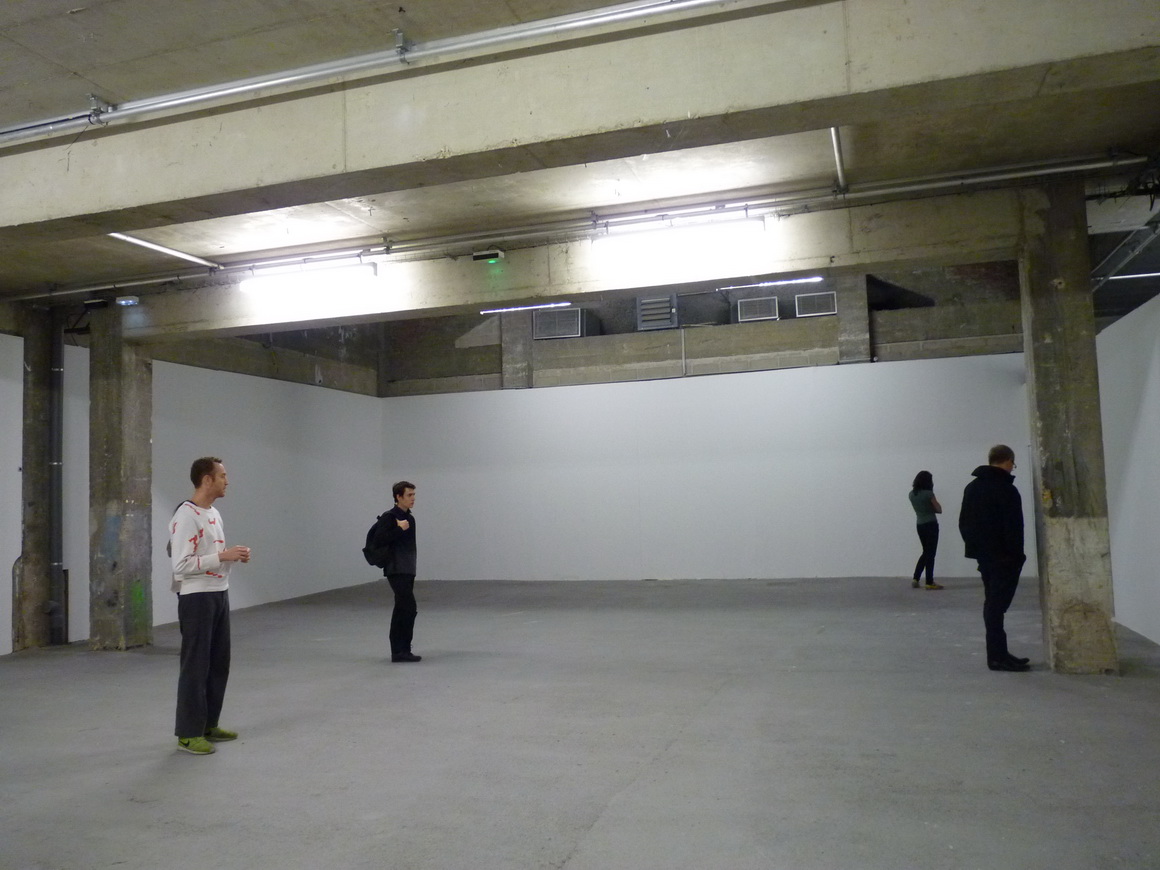
This dramatic exhibition serves as the main event of the 2016 Paris Autumn Carnival. It combines theater, dance, and sculptural arts into an environmental installation. Yet the main hall is empty, leaving visitors bewildered. Unusually white walls stretch out before them; groups of people wander back and forth through this "empty" space. Rarely, a guide accompanies you on your walk, chatting and asking questions. Pairs converse with each other in situations resembling theatrical improvisations. Nothing obstructs the gaze. What is being sold here? In contemporary art exhibitions, such things are no longer surprising. If it were not strange, it would not be very artistic. Since we are here to visit, let us continue exploring.
The organization of this exhibition is highly structured. Many artists from various fields across disciplines are invited to participate. Viewers passively engage and are guided to join this game. This is a participatory exhibition popular today. The audience is the main element of the work; without viewers, the work does not exist. Since we have come, let us look deeper into the mystery. Where is the artwork? Is it us ourselves?
Tino Sehgal (born 1976 in the UK, currently living in Berlin) is one of Europe's most prominent emerging performance artists. He constructs his works based on time, space, and circumstances. He re-establishes the meeting between the work and the audience. His practice is the best example of leading interactive aesthetics today. His artistic performances resemble rituals, revealing a view of dematerialized art and challenging people's perceptions. Furthermore, he conveys that his works have no written drafts or originals. There is no buying or selling behavior (he transmits commission plans orally before drafting). He never signs contracts. Exhibitions never produce catalogs or take photos for archives (Note 1). He always lives in the present moment. Exhibitions leave no trace, like flowing water that never returns.
He has participated in almost all important biennales and major exhibitions. In 2005, as the youngest artist, he represented Germany at the Venice Biennale. Two years later, he presented Kiss at the Museum of Contemporary Art Chicago in the US for the first time. Afterwards, he toured major European cities with solo exhibitions. In 2013, he participated in the Italian Venice Biennale (winning the Grand Prize) and Documenta in Germany.
Sehgal entered modern dance at a young age. He followed famous choreographer Jerome Bel and his friend, renowned body dancer Xavier Le Roy. Inspired by famous dancer Pina Bausch, they firmly believed that dance is not mere entertainment but a tool for extreme freedom and liberation, akin to thinking. Thus, he sought more possibilities, crossing from dance into integrating sculptural arts. He established his sculptural arts with a unique concept. His only basic element is human beings. Like other materials, he constructs his thinking and shapes sensibility through various circumstances. The artist says: "What interests me is the endurance of this material and everyone's subjective consciousness. I explore creating situations where individuals and collectives can meet." Curator Rebecca Lamarche-Vade continues: "In contrast to his works, which request an incredible energy from the viewer, because through meeting with others, an extremely rich and fixed substance appears" (Note 2).
His choreographed performances are places where audiences belong to the moving part. Through this, he thinks about all questions: dance, art objects, and audiences. This entire space at the Palais de Tokyo is dedicated to this young artist. At the entrance, mysterious figures greet you (you might think it is a prank). The main hall is empty. Visitors cannot tour independently (someone will greet you). You are asked questions and engage in interactive conversations following this theme. Through dialogues on four levels of life, the subjective emotions and awareness of the audience are shaped. This is an exhibition type I have seen for the first time in over thirty years. A type of exhibition never seen before, where "the artwork – is us."
This innovative exhibition is led and curated by Tino Sehgal himself. He invites artists from around the world (various new types across disciplines) to participate. The list includes almost all currently top-ranking artists: With, Fredrique Ait-Touati, Daniel Buren, James Coleman, Markus Gabriel, Felix Gonzalez-Torres, Pierre Huyghe, Kaori Kinoshita et Alain Della Negra, Isabel Lewis, Celime Minard, Philippe Parreno, Mathieu Potte-Bonneville, Apichatpong Weerasethakul.
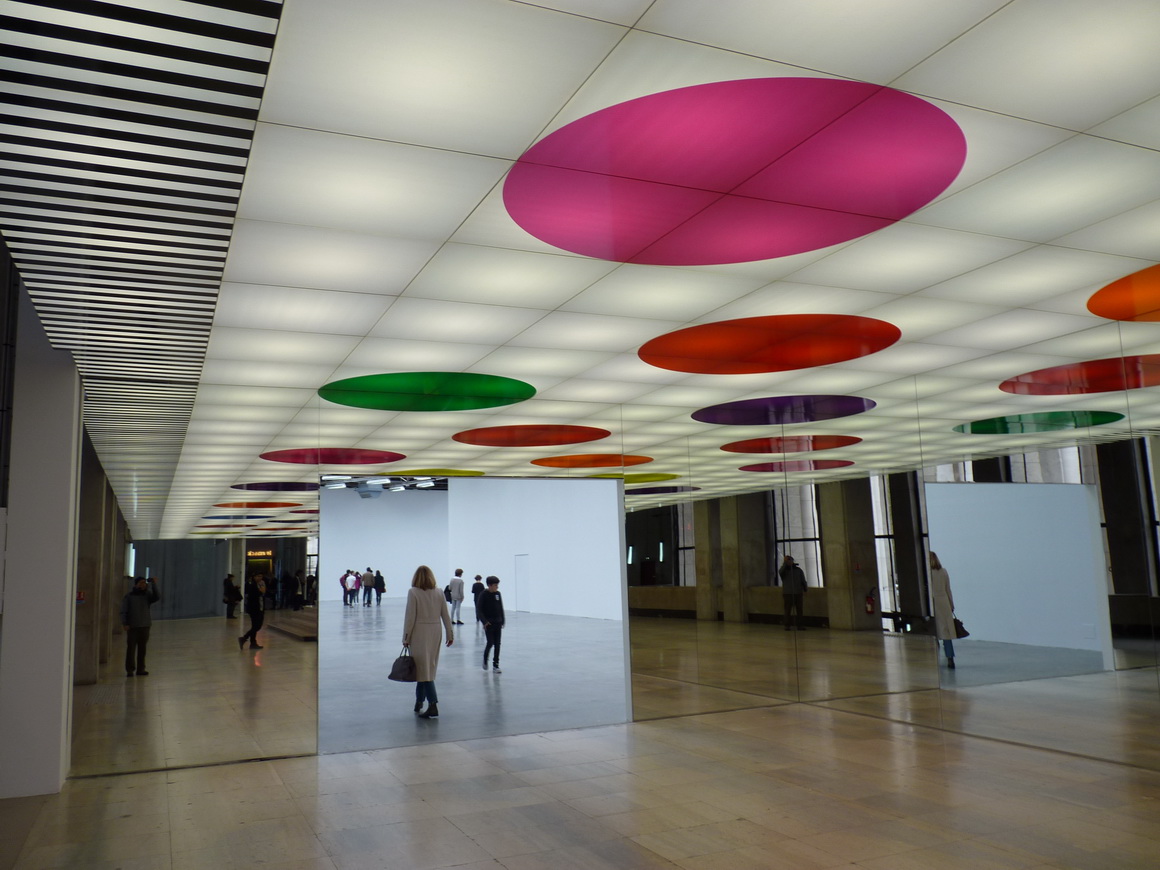
From the entrance, people enter through Felix Gonzalez-Torres's large bead curtain. This opens a vivid dramatic performance. Sometimes actors arrive in comedic forms to greet the audience, pulling open the exhibition's prologue. Pass through the theatrical corridor under red, yellow, and blue circular light ceilings (Daniel Buren's work). Arrive at the end of the corridor to enter the empty main hall. Only see a group of people walking privately in conversation back and forth through the space. This opens a Ulysses-like journey.
When I hesitated about what to visit, a boy of eight to ten years old ran up to me. He greeted me and introduced himself, saying, "I am the artwork." Oh! I was dumbfounded. He threw me a question: "What is progres?" This word means: forward, progress, development. Progress describes the appearance of expanding day by day and moving forward. Development refers to unfolding forward. Thus, he accompanied me to start a walking conversation. Discussing the "concept of progress" with the child, I answered intuitively that it is "forward." But here it refers to human development or the progress of civilization. It is difficult to get clear guidance from a child's discussion. Amidst the exploration of vague concepts...
Next, a middle-school-aged girl took over. Continuing the idle chat on "progress," moving forward is not blind. When necessary, stop, listen, look, or even turn back to avoid hitting a wall directly and entering a dead end. Progress is the various realities developed by humanity to improve life, and the results brought by diverse scientific developments.
Still in the thoughts of dialogue, a middle-aged person of forty or fifty years old came to take over. Deeply discussing human "progress," unprecedented humanity arrives in an era of rapidly changing hierarchical technology and alienation from nature. Although matter improves human existence conditions and facilitates daily life, greedy humans blindly produce and consume without restraint. Environmental deterioration, waste of natural resources, corrupt hearts, yet dismantle human minds. Under blind progressivism, destroy all beautiful futures for humanity.
Dialogue with the middle-aged person sparked some thoughts. Still churning in my mind, I turned into another space. A retired woman came to greet me. Looking at the current historical situation, with changes in technology and life spaces, she told me a deeply considered story to end this artistic dialogue. It is a tragic story of a king and three sons competing for succession. Succession naturally goes to the eldest son. But the youngest used conspiracy to eliminate his two older brothers, ascended the throne, held great power, and ruled the kingdom. But life is impermanent. Finally, he died in an accident. The meaning of this enlightening story tells people: if progress is treated as a tool, whoever controls the tool holds actual power and can manipulate everything. Power can dominate and rule people. It can benefit humanity or lead humanity to the cliff, depending on individual conscience. For example, possessing the right to issue national currency—whoever becomes president is his puppet. Almost the entire world today is dominated by global financial oligarchs. Whoever controls mass media can manipulate the masses. Whoever possesses the most advanced or lethal weapons can invade others' sovereignty for various reasons. Whoever controls the climate can make people live or die at will. Whoever owns more stock insider information can make a fortune. Or when the masses are dominated by TV or mobile phones, becoming head-down tribes or noses glued to screens without knowing it, or consuming for consumption's sake, ultimately becoming slaves to objects, etc. Russian artists Kabakov and Emilia Kabakov said: "The whole world is changing so rapidly that people forget the feeling of life itself" or "Great progress, science, and noble scenes of humanity lead people to the edge of disaster."
Clearly, the artist becomes the director. In this emptiness, intentionally passing through the companionship of these four age groups and thematic dialogue arrangements, people penetrate the reference to every stage of life advancement, understanding and perception from adolescence to middle age to old age. Emptiness is actually a Ulysses-like journey of life. In this highly modern social scene of informatization, capitalization, consumerism, mechanization, hierarchy, and commodification, deeply experiencing the infinite scenery of the modernist concept of progress. It is worth reflecting on where modern progressivism should go. From using modern tools to finally being hijacked and controlled by them without realizing it.
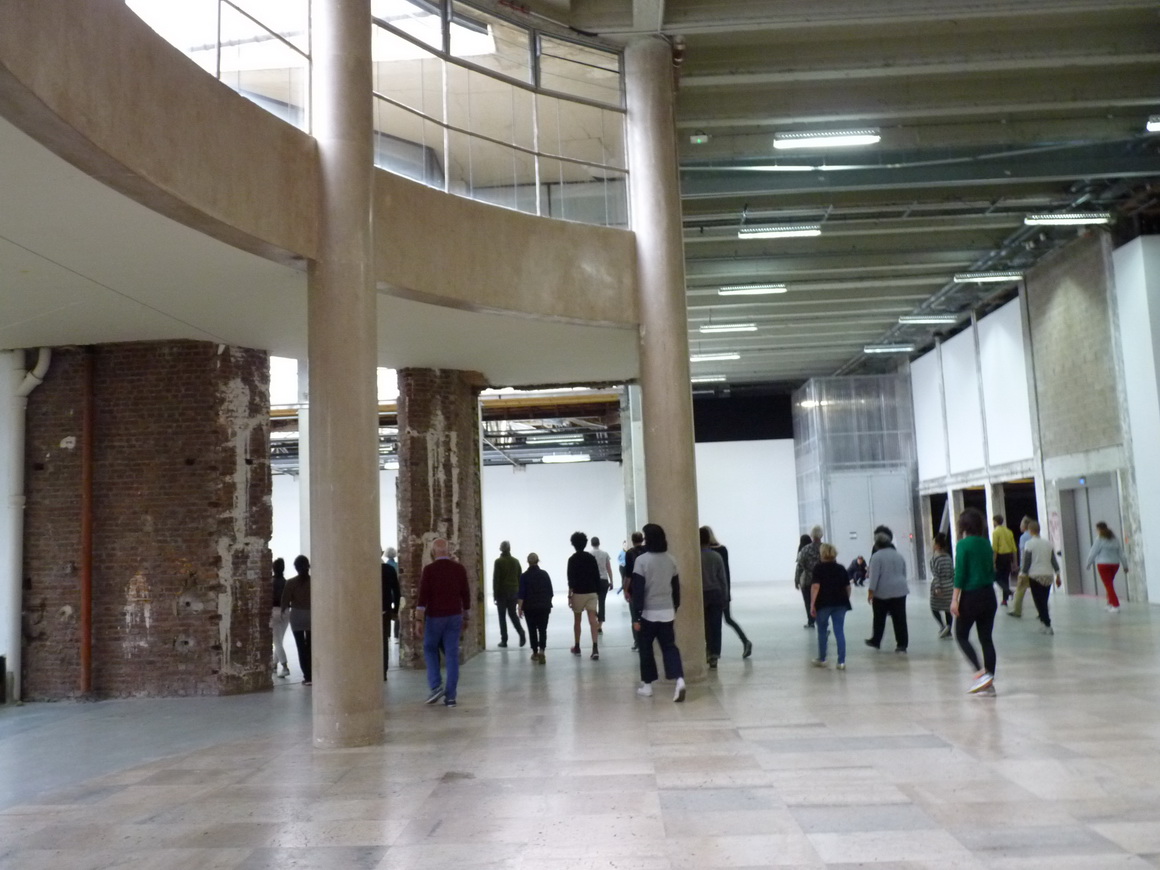
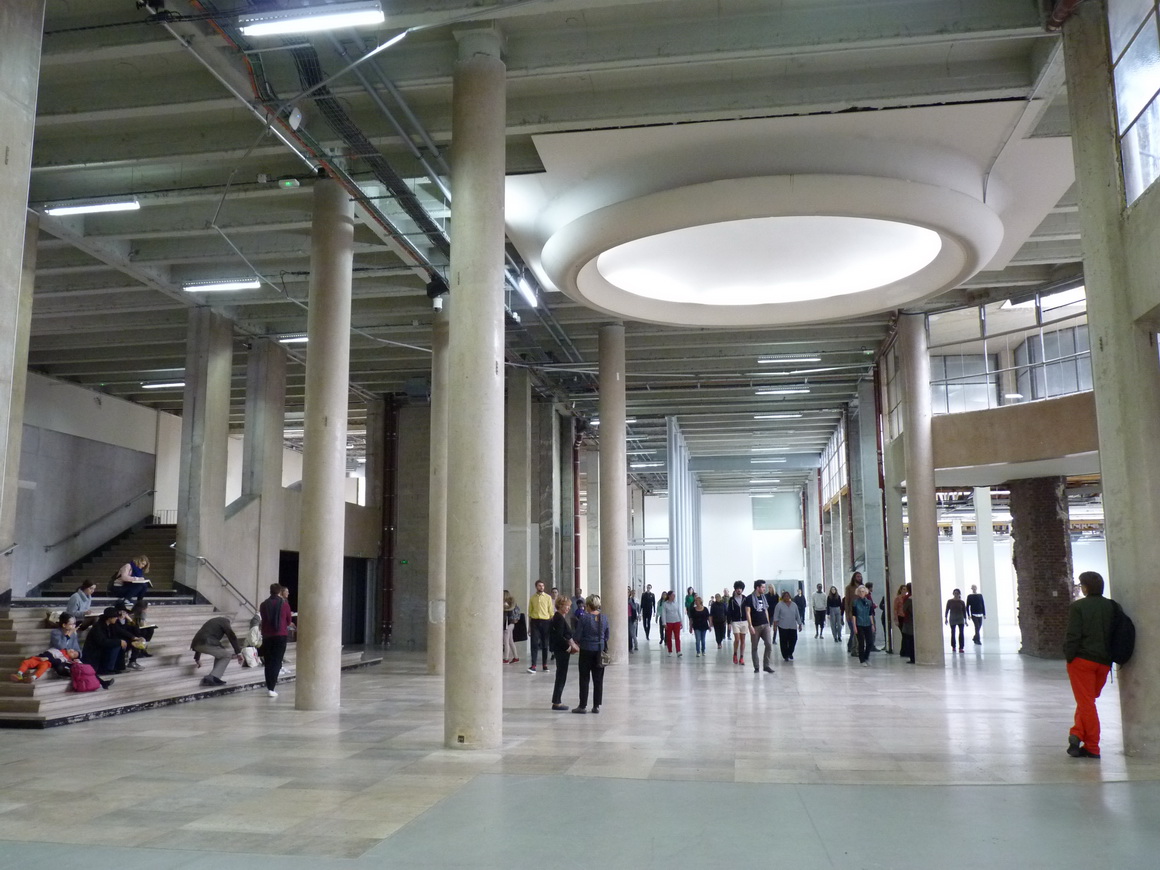
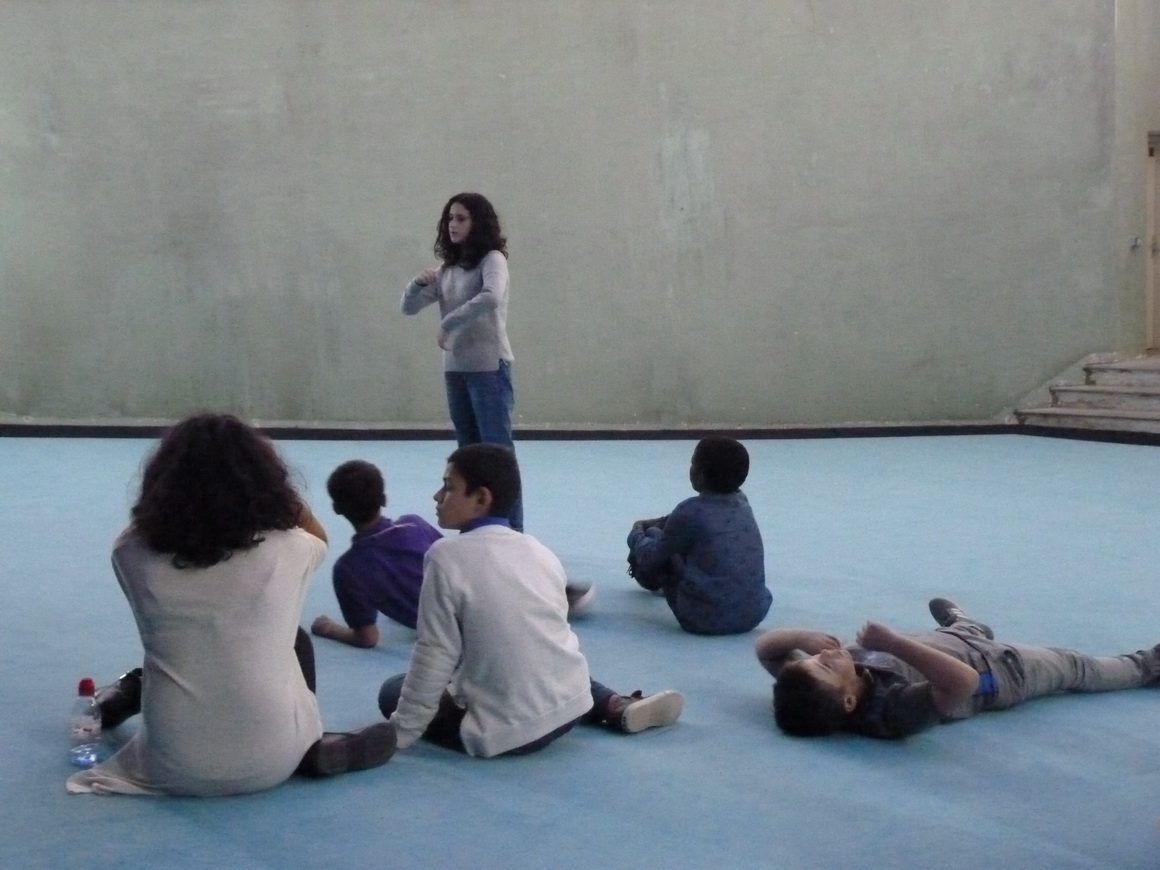
Although the main hall is empty, viewers enter a Ulysses-like journey. There, viewers experience their own subjective complex experiences. And under the circumstance of walking and thematic conversation, they engrave the internal and external situations they compare. Entering the underground grand hall, empty, hollowed-out columns. Touching your head, where is the artwork? In the space, a group of children surrounds a teacher drawing. Some scattered wandering viewers. People sitting and chatting in the stairwell. Clearly seeing a group (men, women, old, and young) organizedly walking (dancing) back and forth endlessly along the diagonal of the architectural space. What exactly is this performance? Do you belong to the part of standing eye upon entering the spatial field? Ultimately discovering that it resembles the bustling streets of a prosperous city or the endless flow of crowds entering and exiting subway entrances for work. Presenting a vivid energy rotating in the space, revealing the collective consciousness and situations of daily street life.
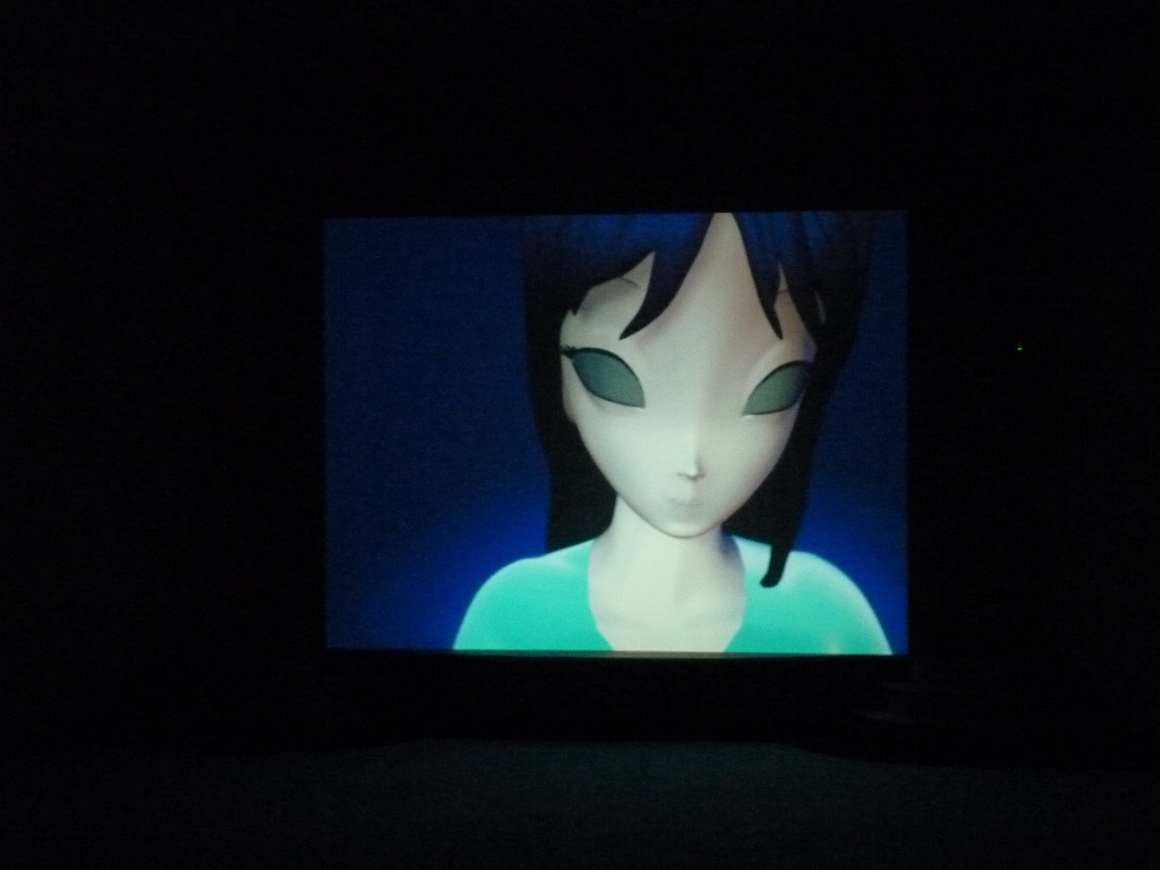
On the basement first floor, besides the main hall, another space displays video works of Japanese cartoon characters by Sehgal's friend artists Philippe Parreno and Pierre Huyghe. When the video ends, the lights turn on. The character from the video transforms into a living girl gesturing in front of people, and conversing with a child viewer in front of her. Their works all step out of the framework of traditional art, entering life fields and situations to interact with the audience.
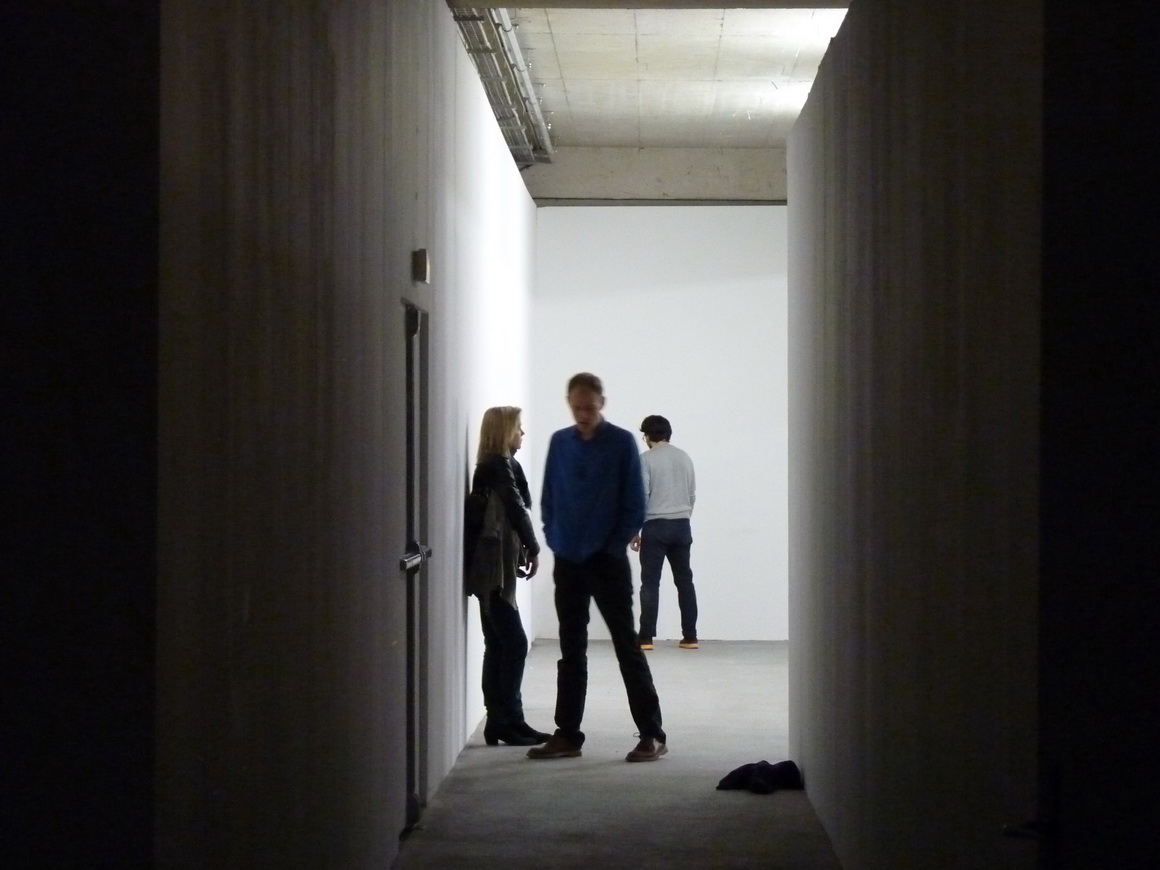
Down to basement second floor, walking towards the light into a corridor. At the entrance, a person (performer) blocks the door, intentionally or unintentionally interacting with the audience (deliberately blocking viewers), playing a game of hide-and-seek, adding a bit of fun. Eventually letting people in. Light, buzzing sounds linger in the field. Who is humming? Cannot distinguish performer or audience. When slightly sober, observing carefully, the sound comes from those four people facing the wall, including the one at the entrance teasing the audience. Each space is a Ulysses-like journey. Entering each field, personally tasting one's own perception and comparing the current situation.
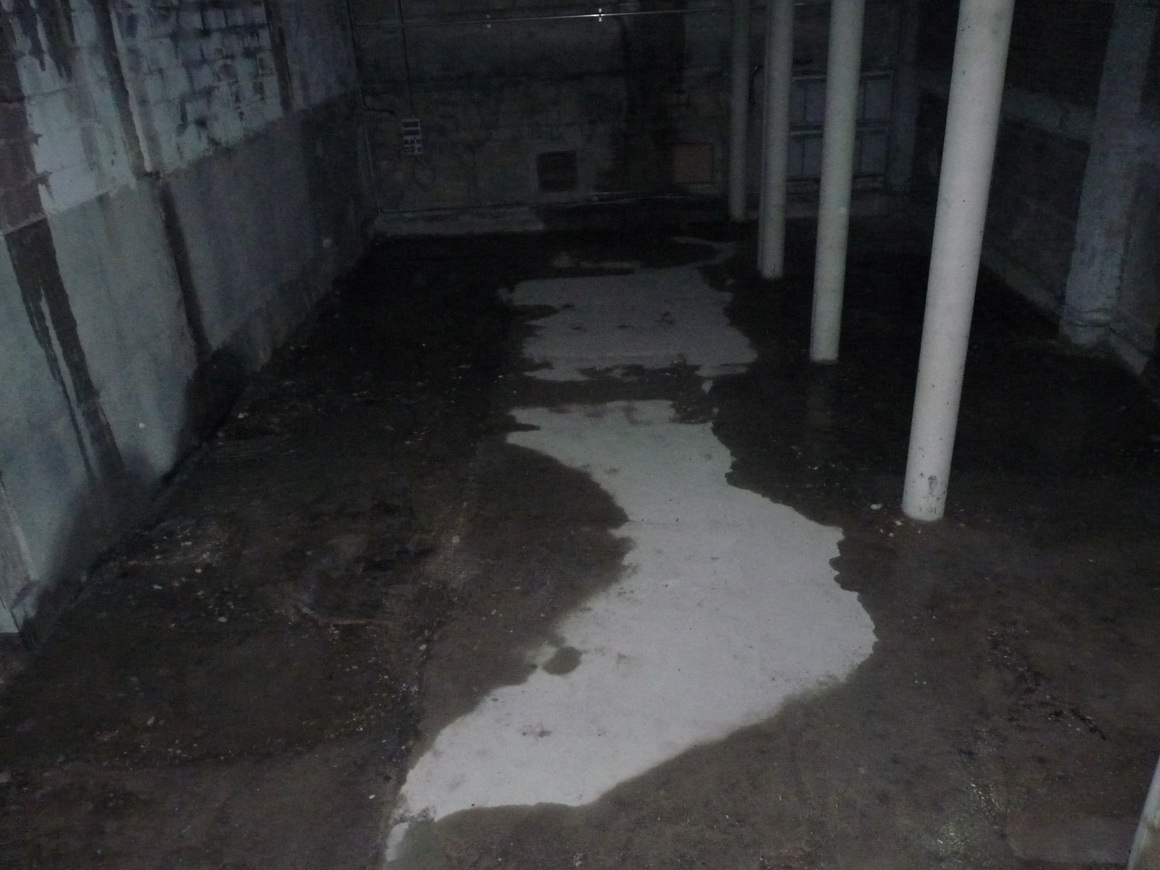
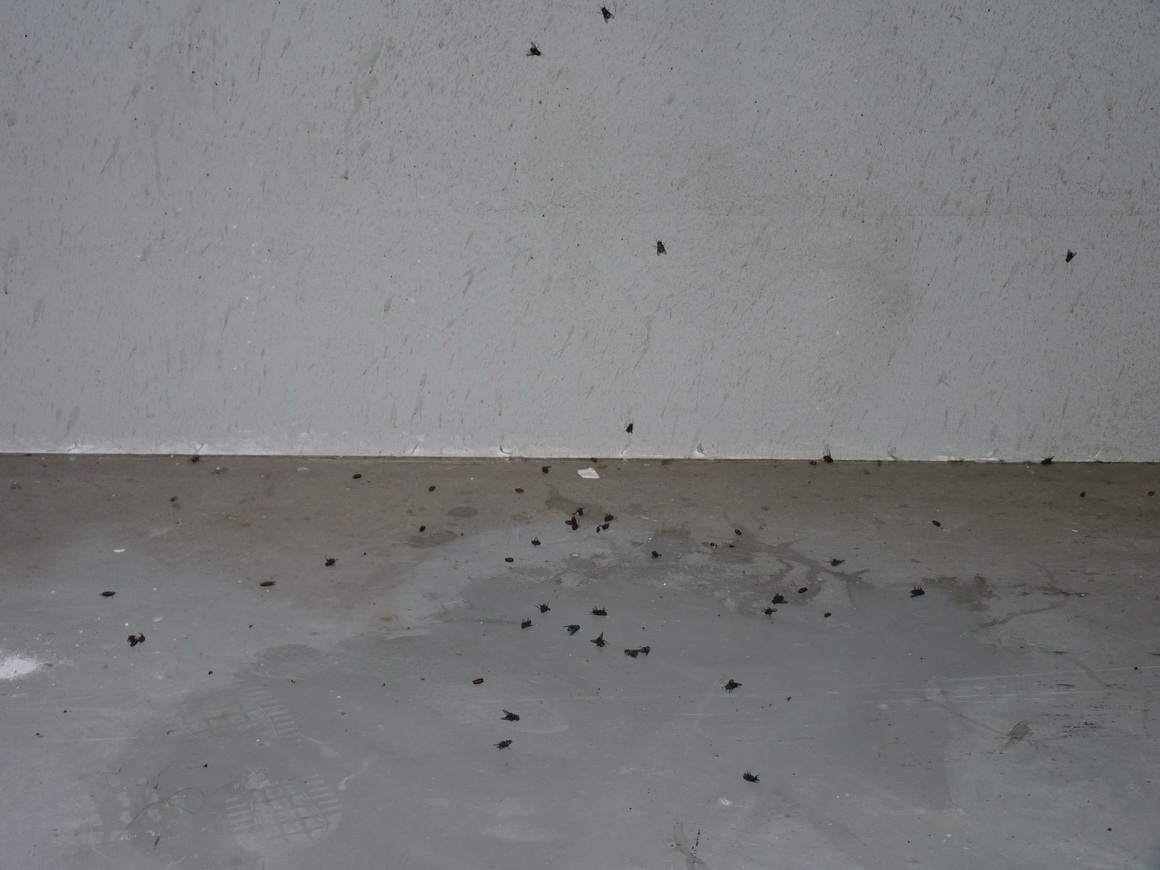
The Palais de Tokyo is a familiar space for me. How did I fall into the corner along the wall? There must be a mystery. Stopping there to pay attention, seeing the guide taking a group below to visit. One can imagine. Art is everywhere, close to life, or life itself is art. It depends on how each person faces their own current situation and consciousness. In a pitch-black space where you cannot see your fingers, a group squats in front of the wall doing what? Awakening my attention, going to inspect. Black spots cover the wall. The wall and floor are black flies. Haha, this must be art. So I turned on the flash to photograph what I saw at that moment. Art seems to always witness the present under incomprehensibility. Finally, in a pitch-black tilted space in the corner, a video work is installed. Only hearing thud thud thud sounds and flashing lights. Can only glimpse in this second and that second that it is an image of two boxers fighting. Is the content a boxing match, or the thud thud thud sounds, or the flashing lights? This is probably all that art elucidates. Finally, I understood. Art is everywhere. It does not matter if it is art. Life is art.
Note 1 - art media agency - 19 octobre 2016 p 61 Tino Sehgal. Artiste de l'éphémère. Note 2 - Le monde 2015-10-11 culture - Tino Sehgal. createur d'échappées.