The Story of the Tomato
A garden cultivating eight different varieties of tomatoes.
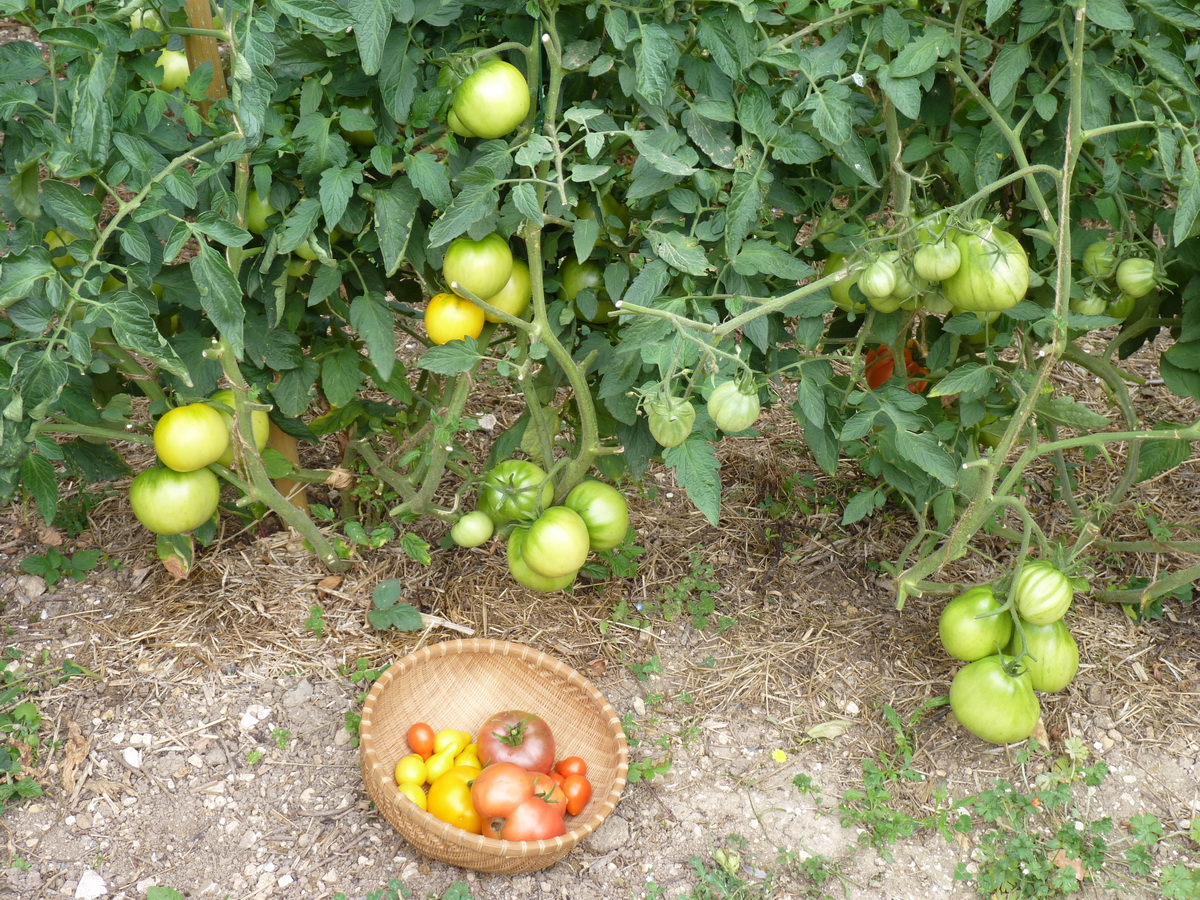
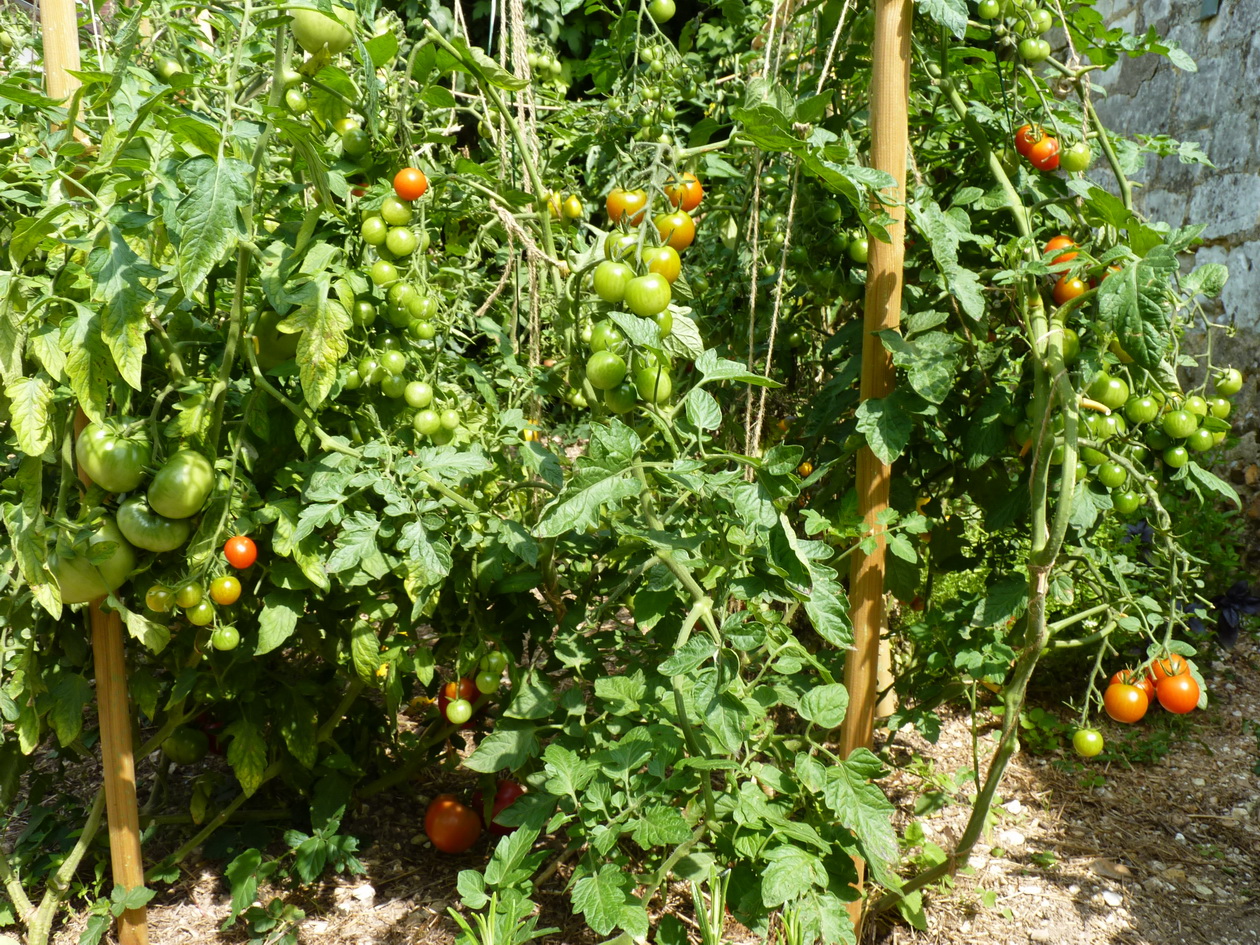
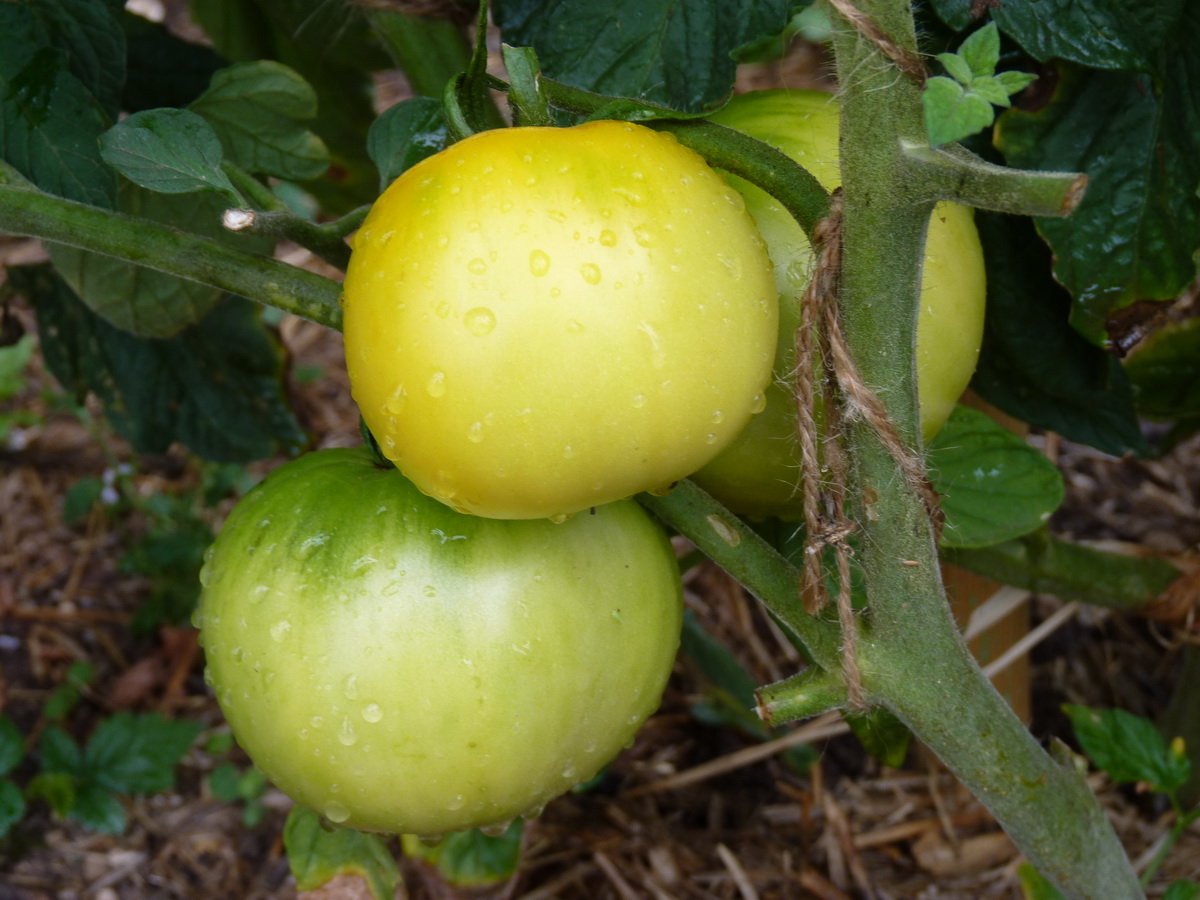
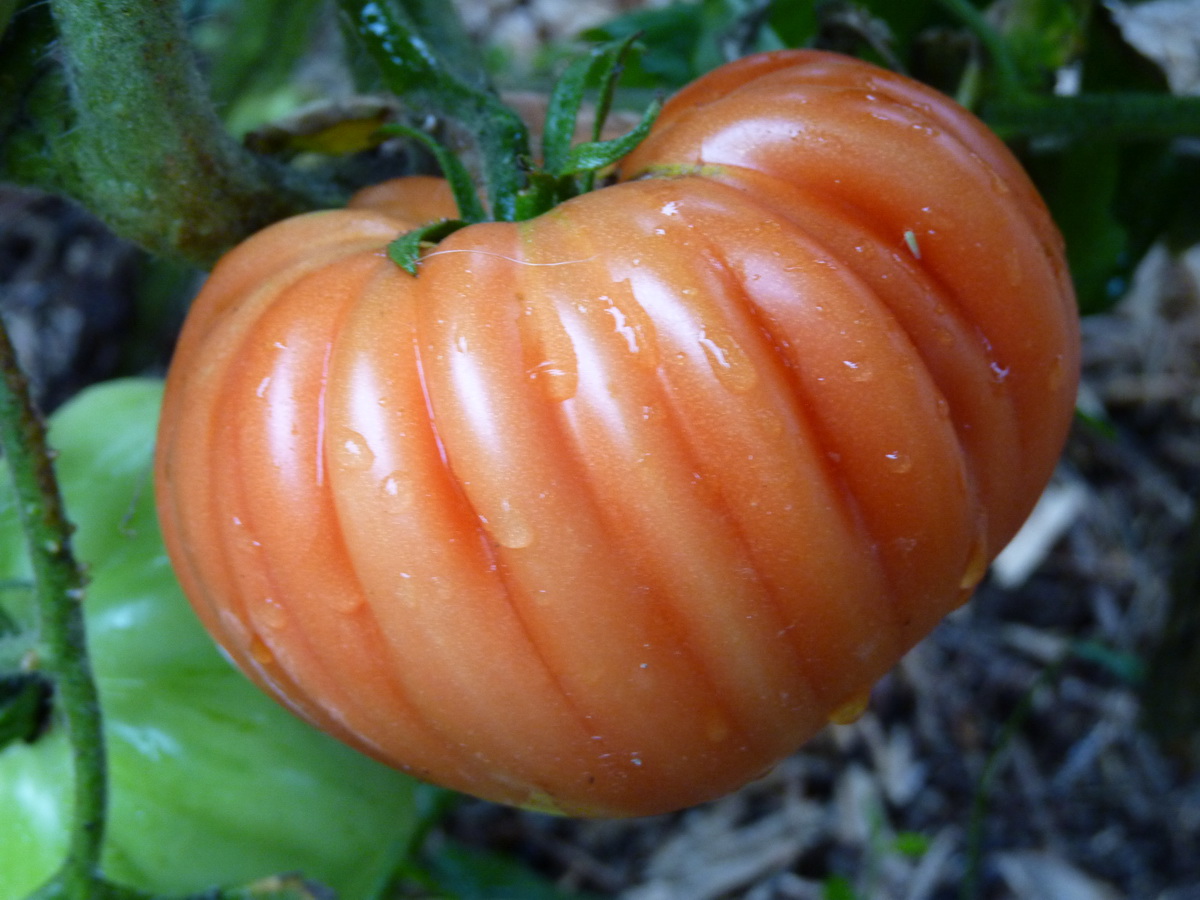
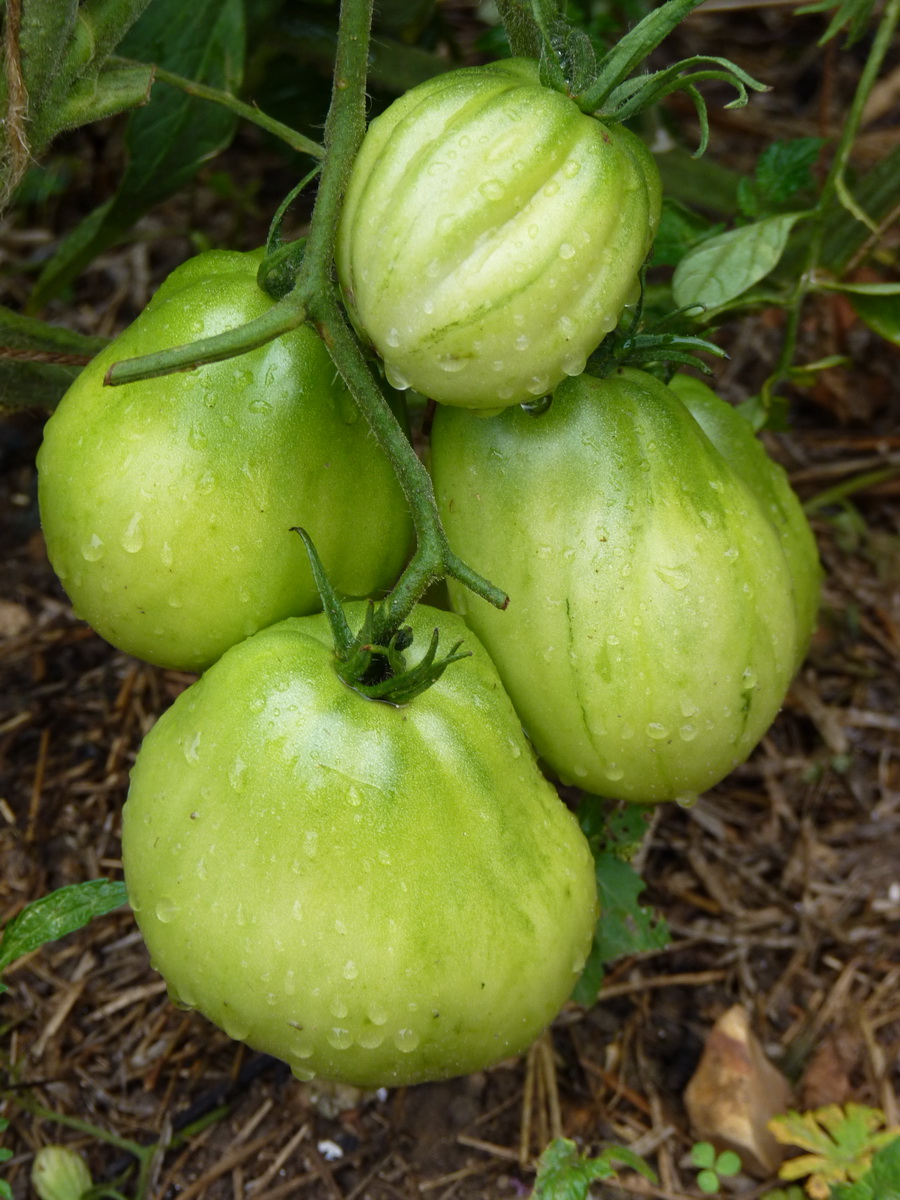
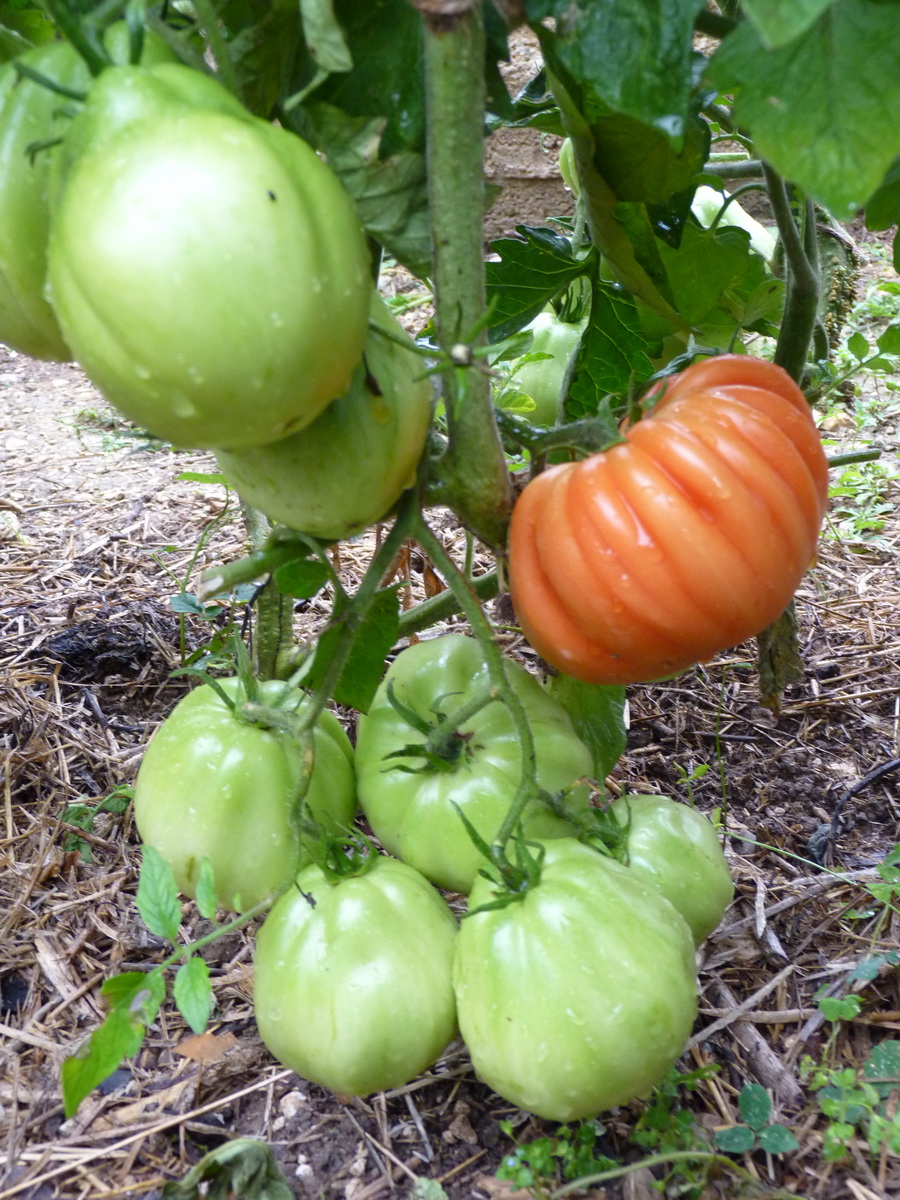
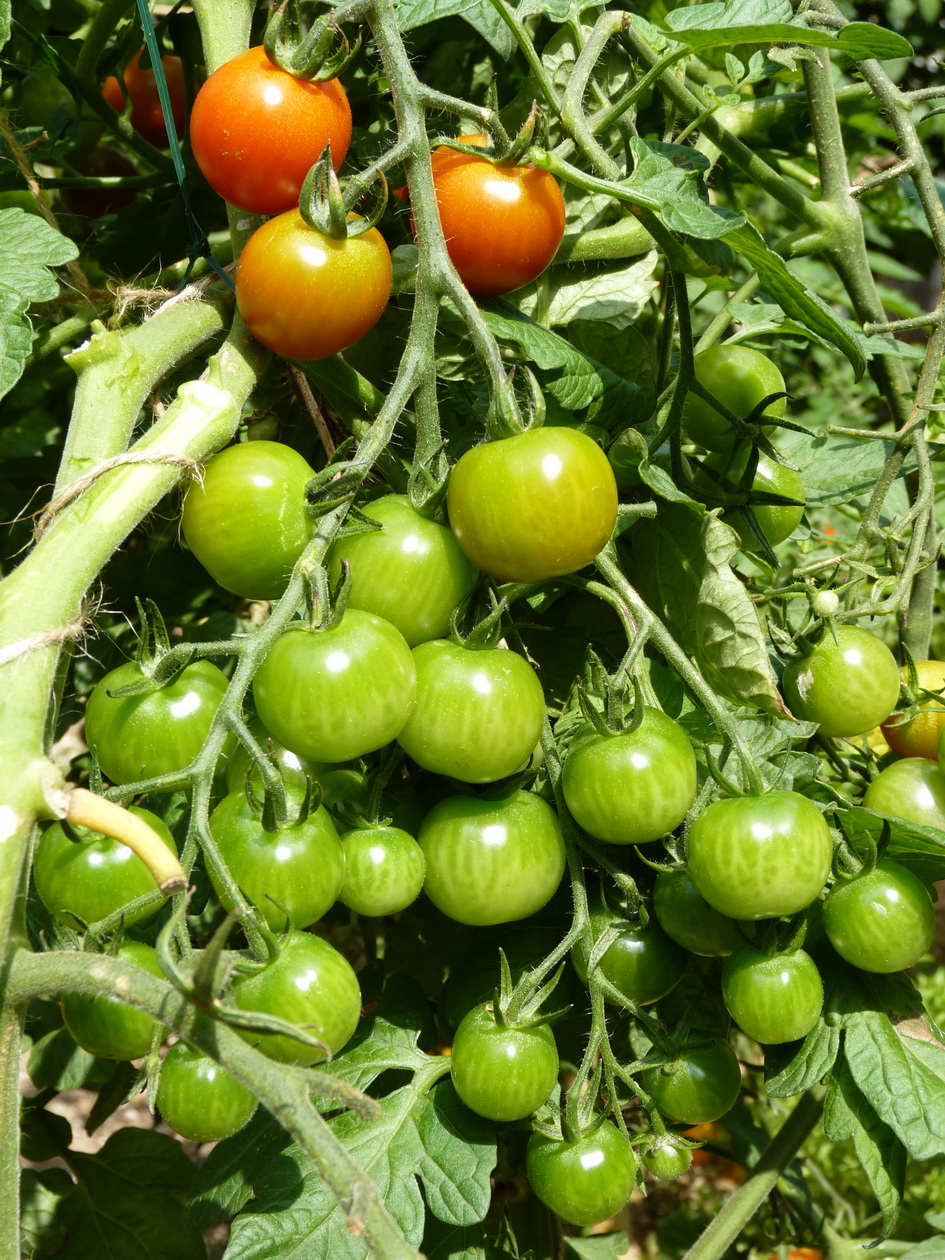
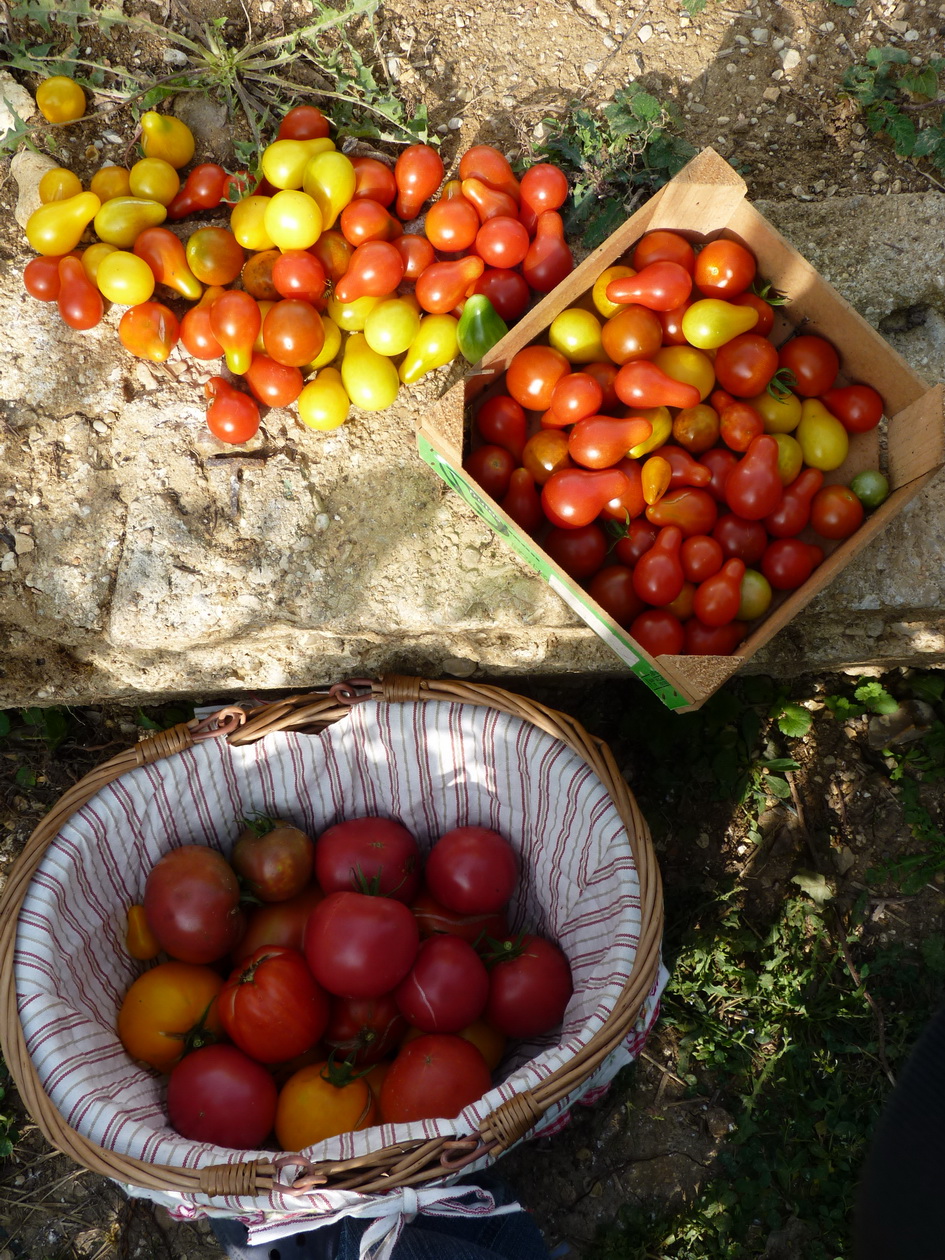
Text and photos by Chen Chi-Hsiang. I used to eat tomatoes without knowing their history at all. Tomatoes are grown in almost every European vegetable garden, but it was only after planting eight different varieties this time that I gained a slight understanding of them. When I was young, I ate green tomatoes dipped in licorice powder or plum powder; otherwise, at fruit shops, they were sliced and served with a thick sauce of peanut oil and ginger juice, which had a unique flavor. While studying at the Art College, I always liked ordering tomato scrambled eggs at the buffet, which went well with rice, allowing me to eat several bowls. Whenever there was an opportunity, I also ate tomato fried rice. In the West, tomatoes are considered vegetables and fruits, while in Taiwan, they have become fruits. Westerners are accustomed to cooking them—stewing or using them in salads. The differences in dietary culture are significant. However, under today’s globalization, or more precisely, Westernization, raw tomatoes are indispensable in raw salads, as are roasted pizzas, and even more so in stewed Italian meat sauce.
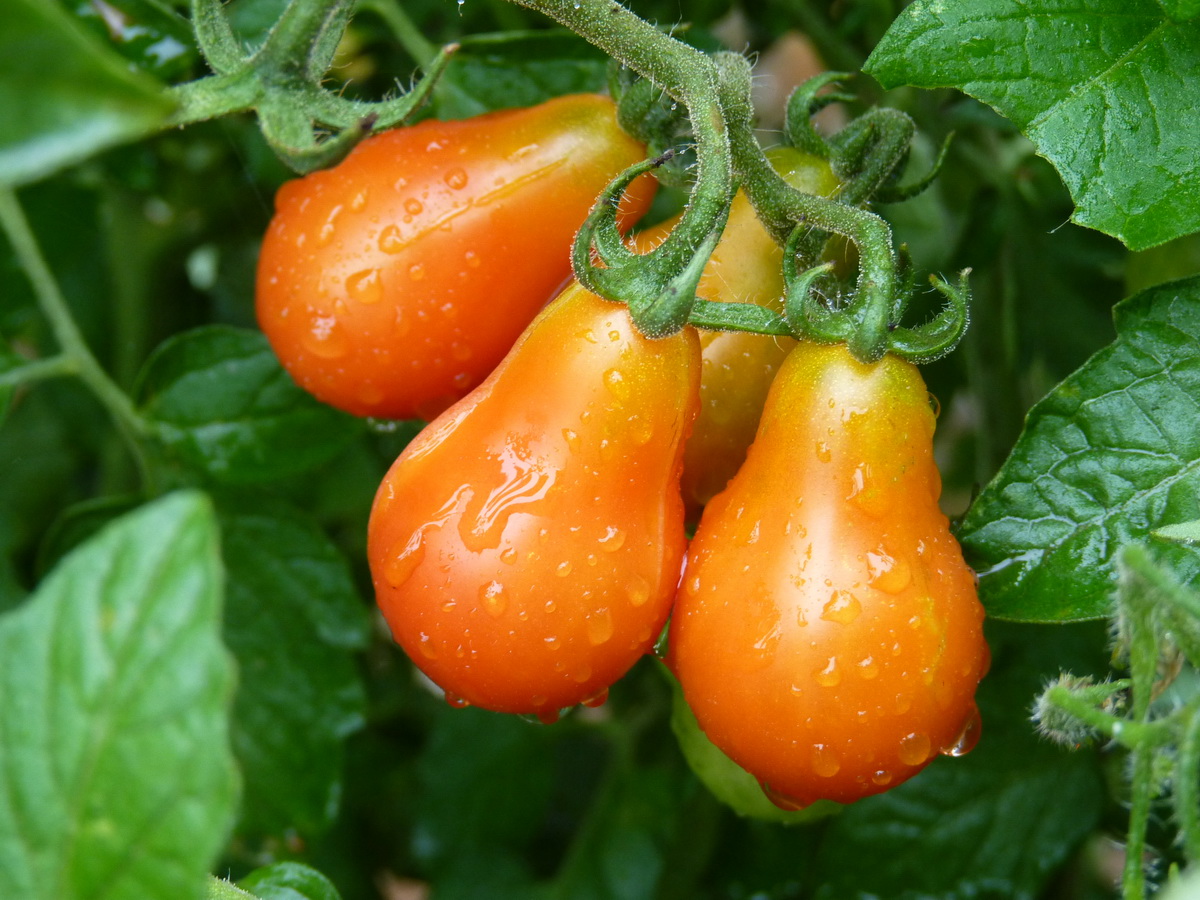
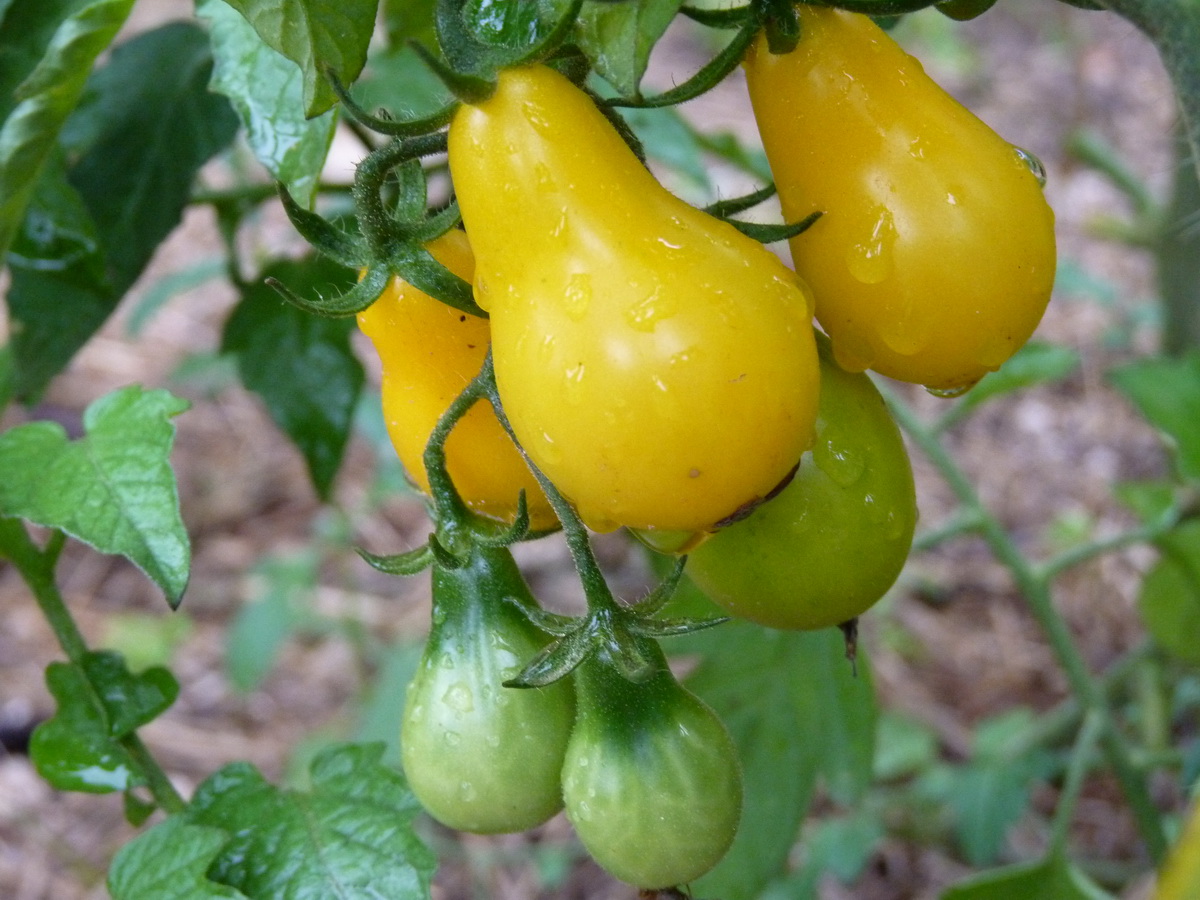
Tomatoes are currently the world's second most common vegetable and fruit (the first being potatoes) and also the most diverse in terms of variety types. Their confusing colors are most vividly red: green, yellow, orange, purple, etc. Their forms are diverse, with cherry-shaped ones being the most common, followed by peach-shaped, gourd-shaped, rectangular, ox-tripe-shaped, and others. From bite-sized cherry tomatoes to extra-large ox-tripe tomatoes, everything is available. Rich in nutrients and containing antioxidant lycopene, tomatoes can be eaten both raw and cooked. Processed products include tomato juice or ketchup. They are widely used as ingredients for cooking seafood and stewing meat, whether fresh or as ketchup. Ketchup is currently the ingredient with the most astonishing consumption volume worldwide. Tomatoes or tomato juice (such as for seafood, stewed meat, fried rice, and fried noodles, which greatly enhance the flavor) are ubiquitous in both Chinese and Western cuisine. In sauces or condiments, they are the most charming and versatile vegetable and fruit.
Words similar to "Tomate" refer to red tomatoes. The original tomato comes from Peru, where it was cultivated during the Inca Kingdom era (native species), specifically yellow cherry tomatoes. Later, the Aztecs in Mexico began cultivating various colored varieties widely. In 1519, when the Spanish conquered the New World, they discovered and introduced tomatoes to Europe. By 1530, they began growing them in Seville, southern Spain, calling them "tomate." Notably, when they became food, people did not eat the fruit but rather the leaves, leading to poisoning due to toxins in the tomato leaves. Another theory suggests that legends claimed it was a poisonous plant, causing people to treat it only as an ornamental plant for a long time. In 1544, it was first classified as part of the Solanaceae family, belonging to the Mandrake plant group. Initially, tomatoes were viewed as poisonous fruits, called "wolf peaches." In the 16th century, the Duke of Orléans in England saw the beautiful red skin of tomatoes, brought them back to England, and gave them to his lover. At that time, they were famous aphrodisiacs, and thus Europeans called them "love apples." Similar to belladonna, they were feared for their strong toxicity and could not be eaten, rejected by Northern Europeans. Missionaries were forbidden to eat them. A hundred years later, Americans dared to eat tomatoes but had to cook them for hours, believing that long boiling would eliminate the "toxicity" in tomatoes. It was not until 1731, when botanists declared them edible, that they began to be grown as vegetables in Southern Europe. At that time, they were only consumed but did not enter the kitchen.
In 1789, tomatoes entered Marseille with French social revolutionaries, then treated as ornamental plants. Soon, fresh tomatoes entered Parisian metropolitan restaurants for tasting, and tomatoes finally entered the vegetable gardens of the Paris region for cultivation and development. With the Industrial Revolution and the convenient transportation network of the early 20th century, tomatoes quickly expanded to Belgium and the Netherlands and penetrated Northern Europe along the transportation network. Today, there are nearly ten thousand tomato varieties, making them one of the most familiar global vegetables and fruits.
Note: This article refers to information from Wikipedia and Caillebotte Garden.