Classic Italian Renaissance Gardens: Villa d'Este
Gazing from the terrace of hills and valleys at the farmhouses below.
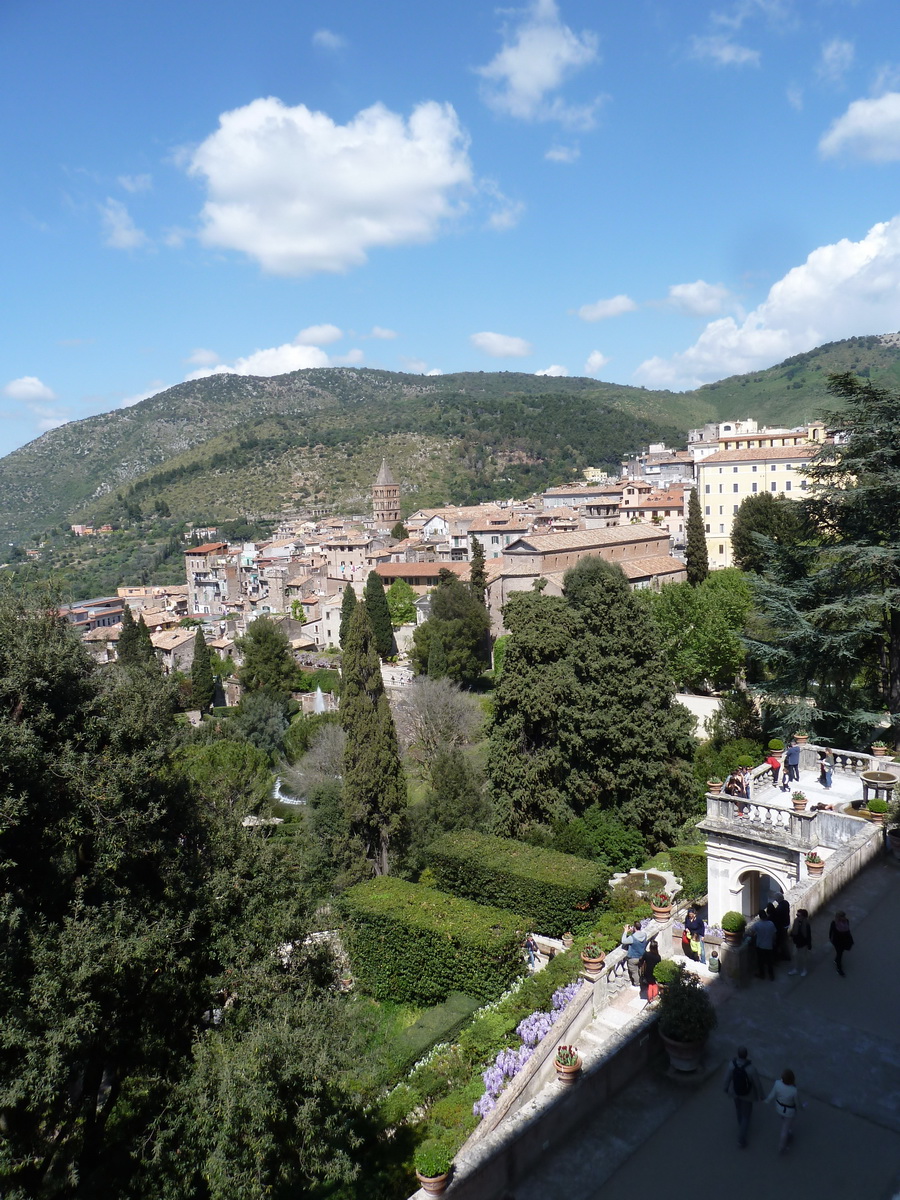
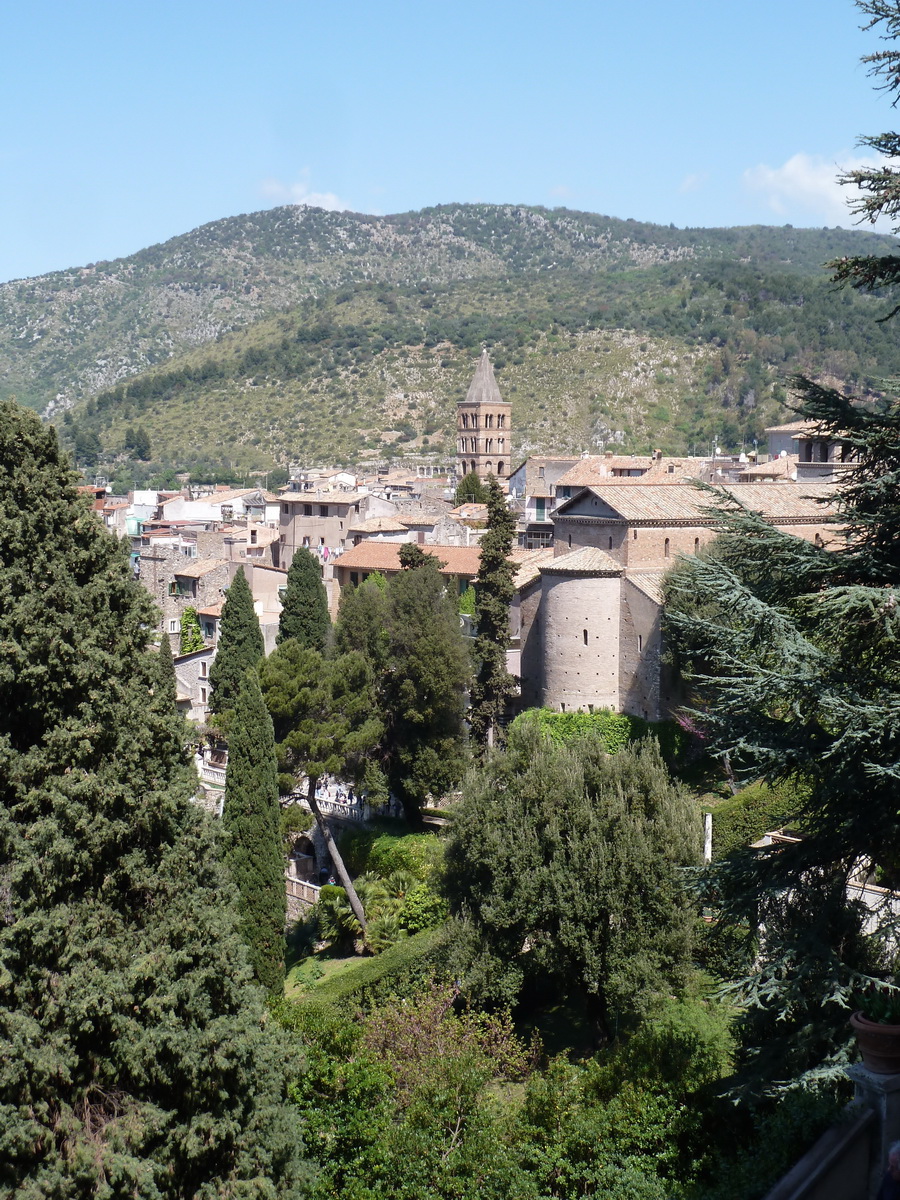
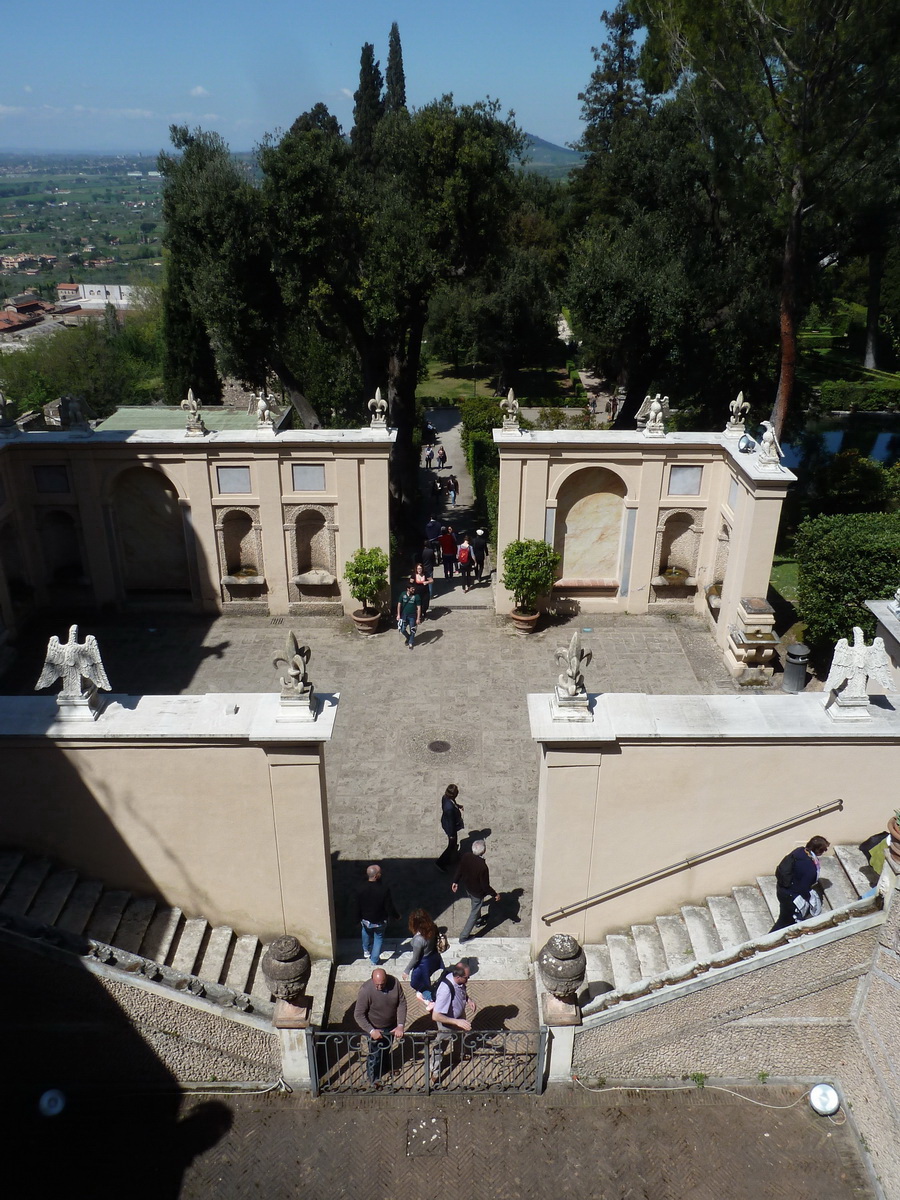
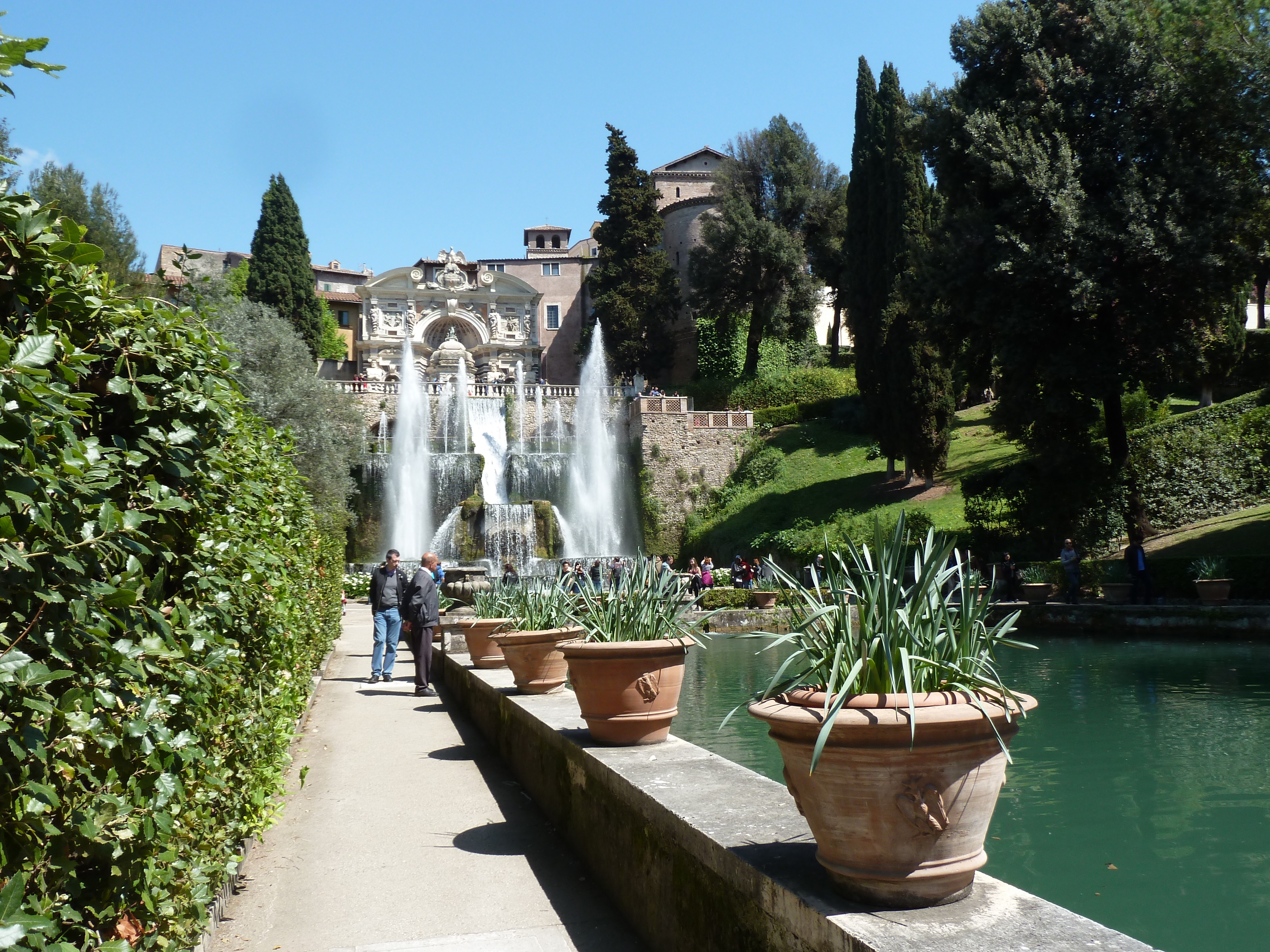
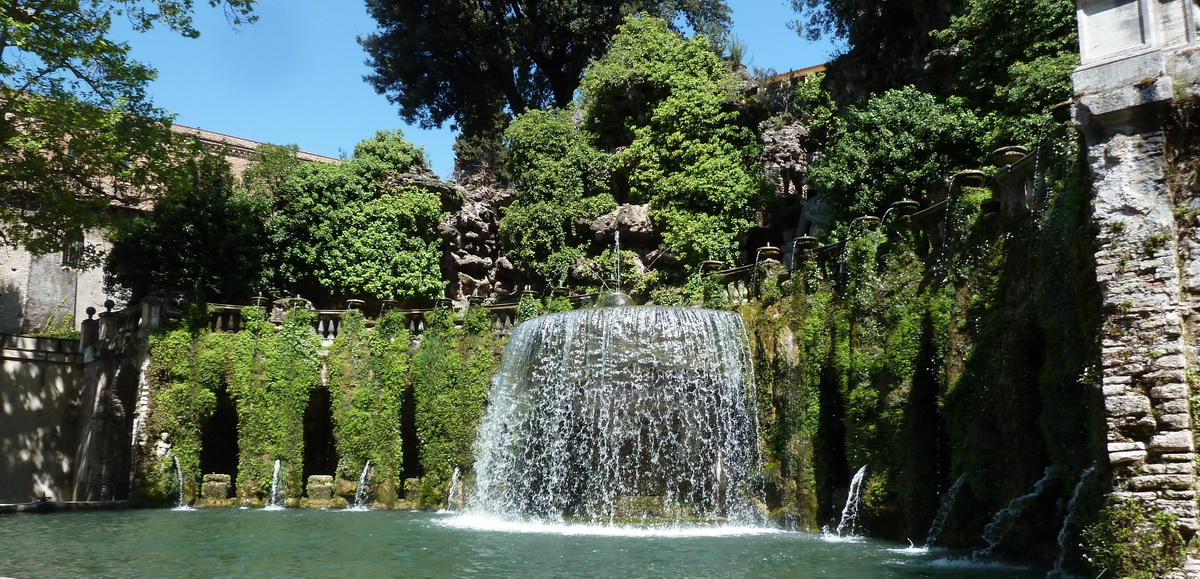
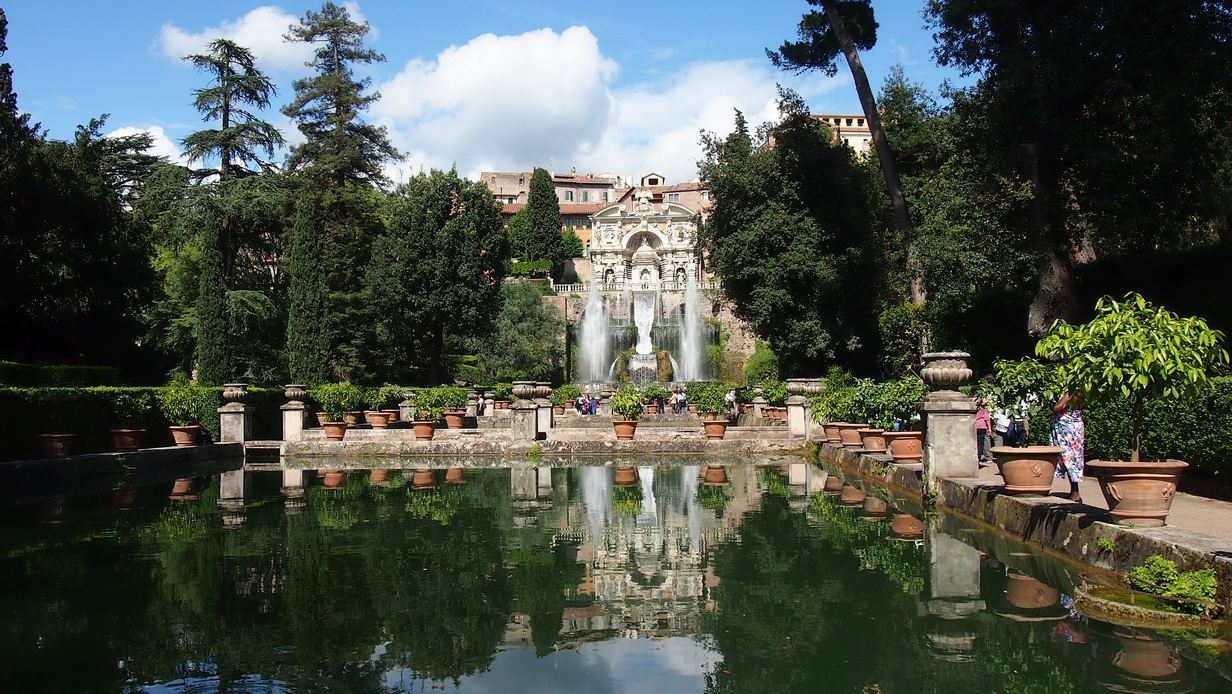
Text and photos by Chen Chi-Hsiang. Among Italian Renaissance gardens, the gardens of Villa d'Este in the suburbs of Rome are the most spectacular and classic, being one of the most beautiful gardens of the Italian Renaissance. It was built under the invitation of Cardinal Hippolyte d'Este for the then most famous architect and ancient Roman archaeologist Pierro Ligorio, completed around 1570. This magnificent villa and garden drew inspiration from ancient Rome, serving as an affirmation of a "new faith" for the cardinal, becoming an eternal "mission of the church." After visiting, writer Antonio Venditi wrote: "In Villa d'Este, one sees the return to inherent elements of Roman gardens, such as the arrangement of brilliant flower beds, clearly defined small fountains, lush colonnades with green corridors, chairs, vessels, captivating grottoes, and exquisite and spectacular fountains. Ancient statues are lined up along the tree-lined avenues... etc."
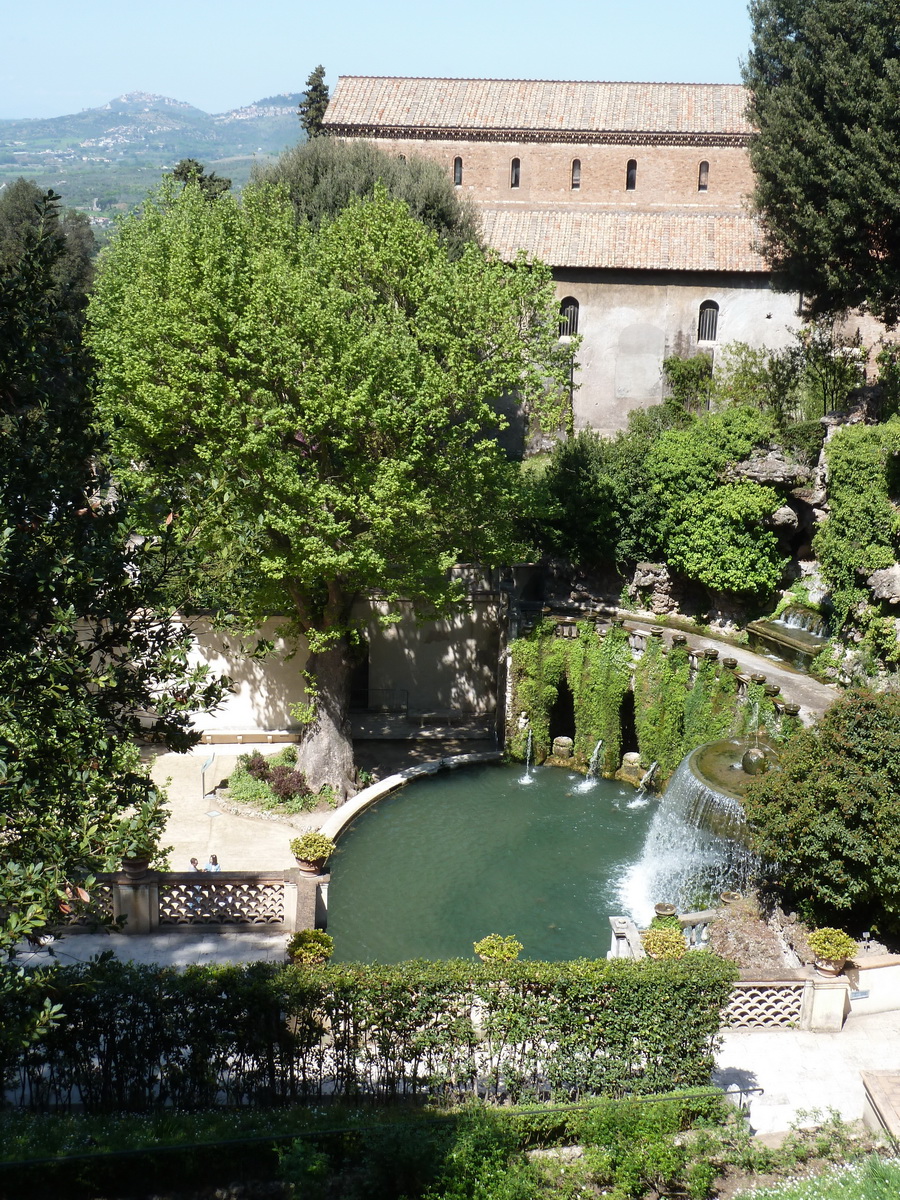
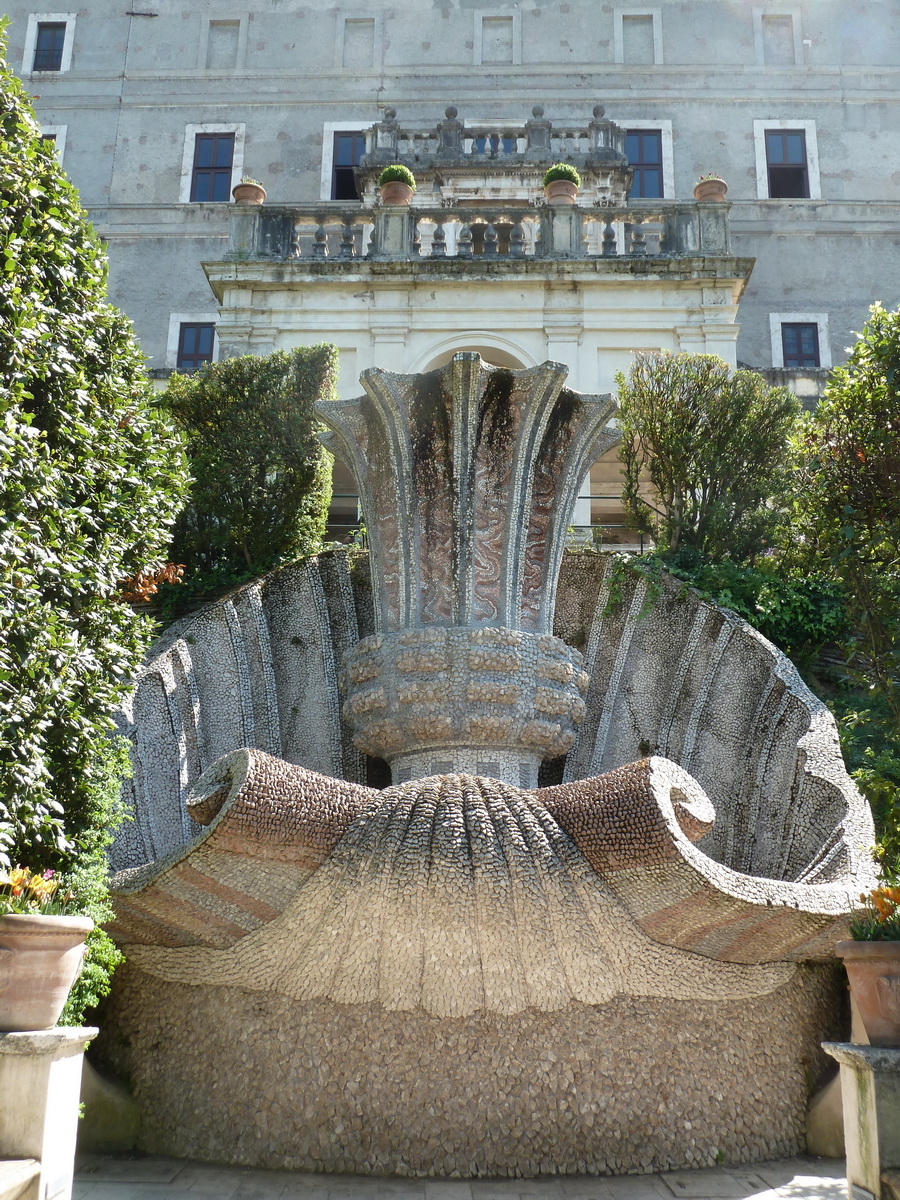
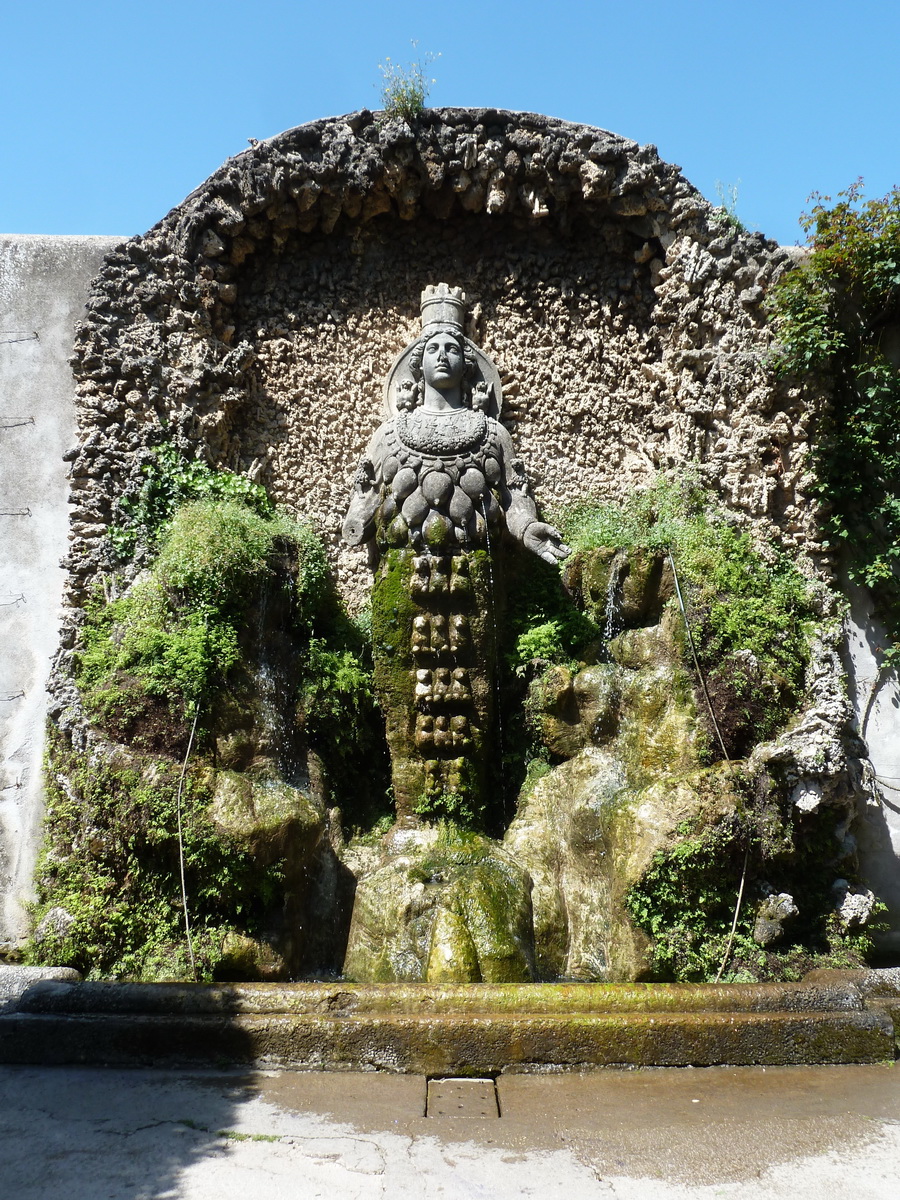
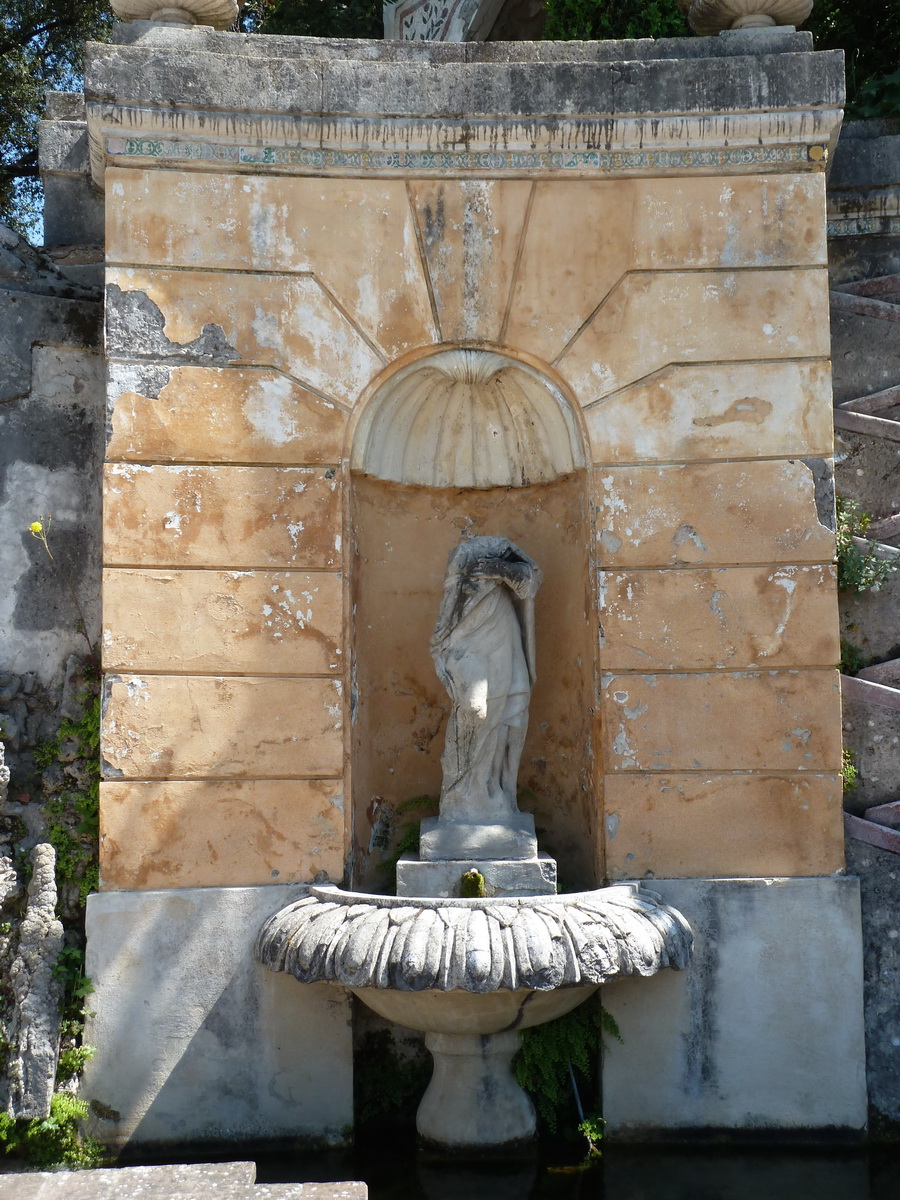
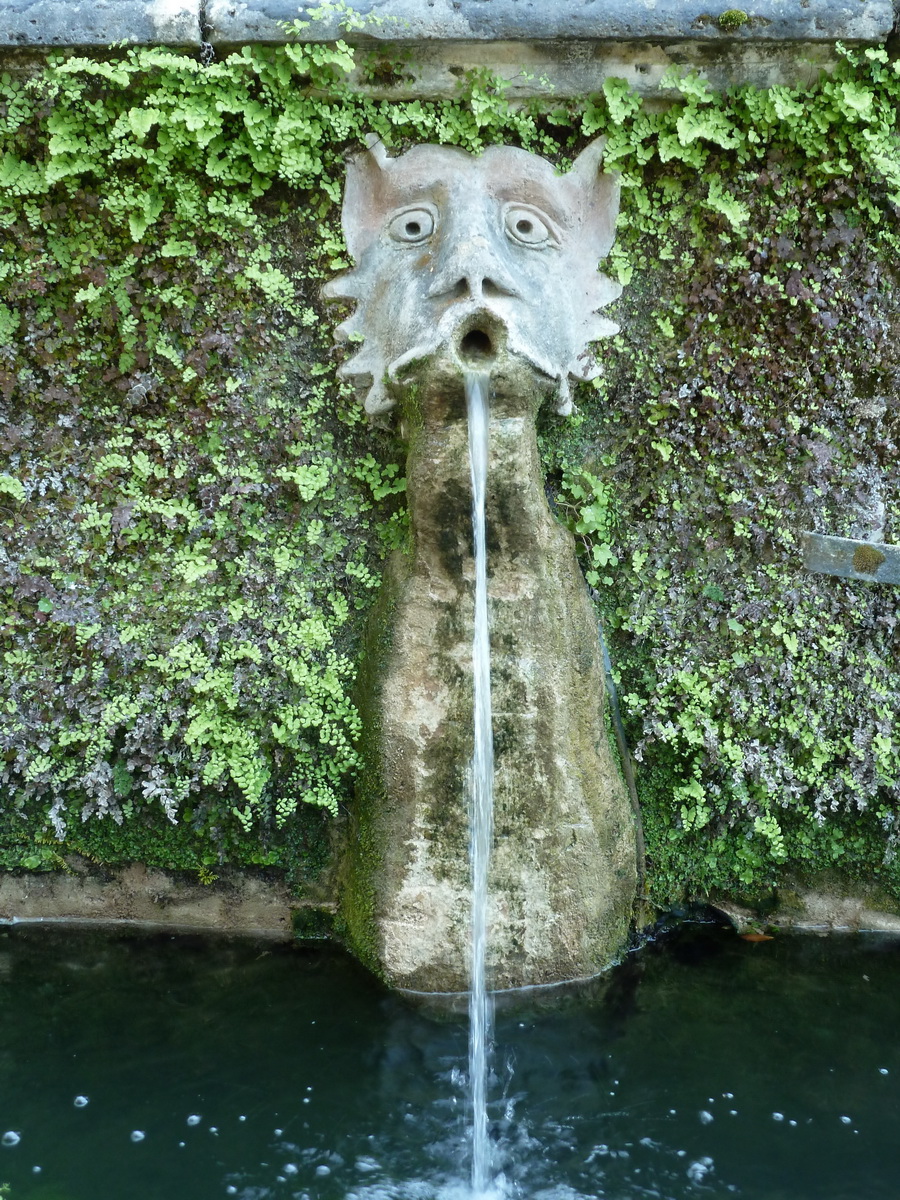
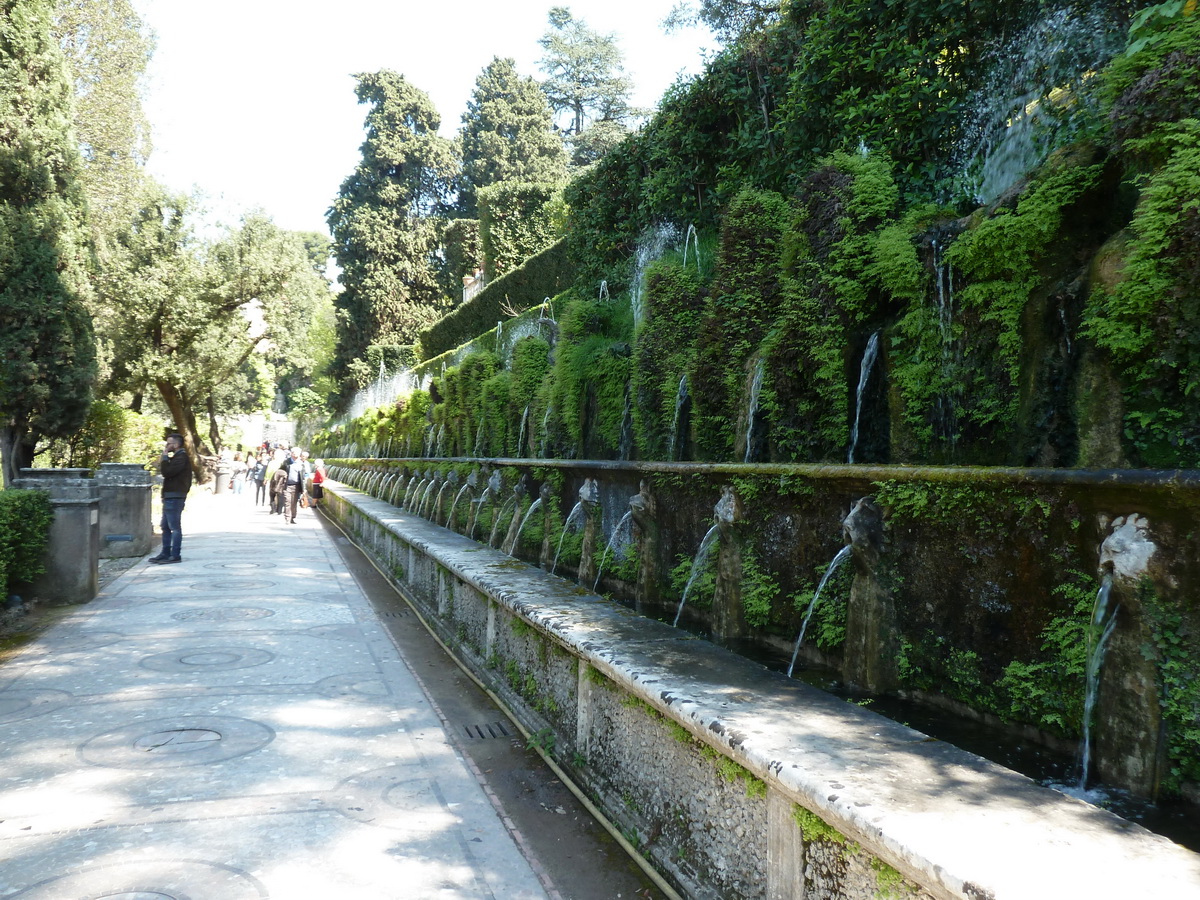
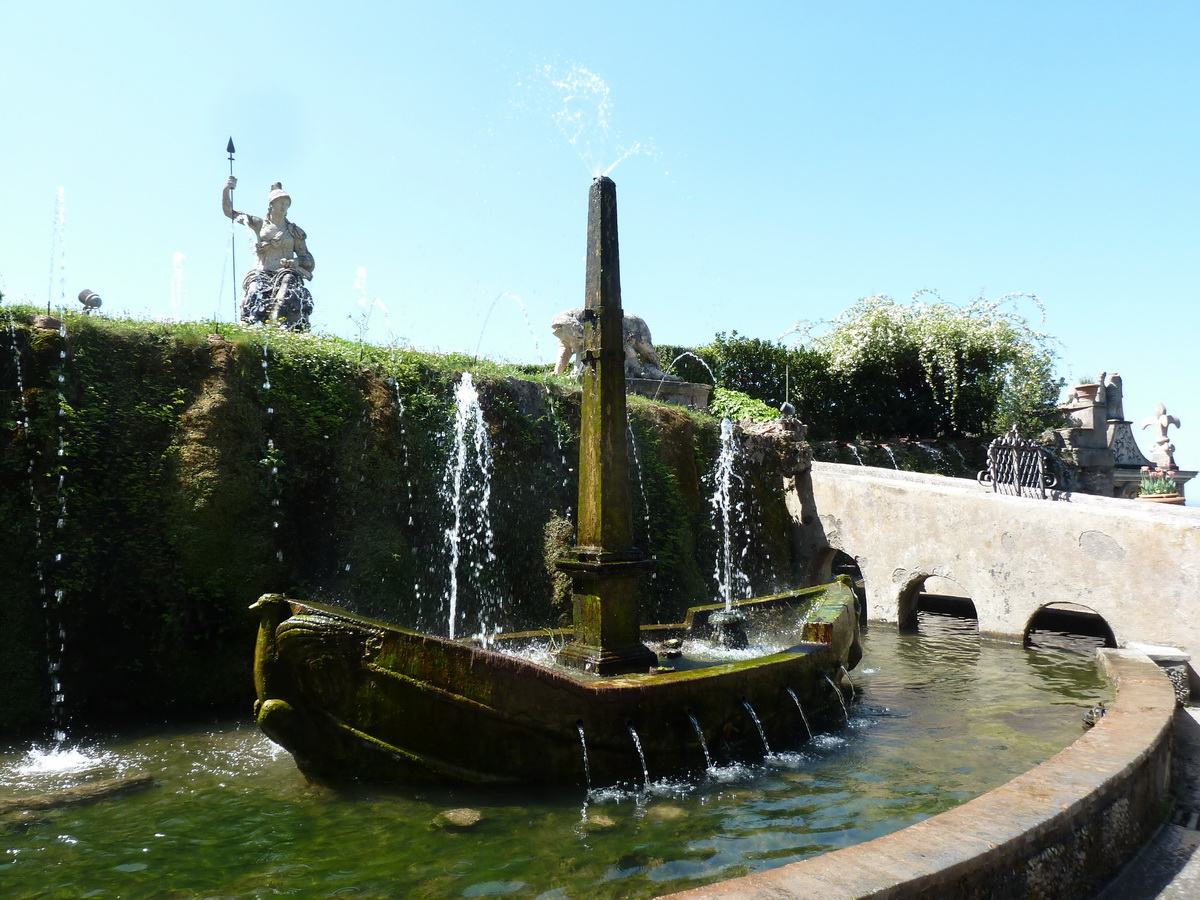
The magnificent Este gardens are built on a series of terraces overlooking hills and valleys, unified by the central axis of the monumental staircase and tree-lined avenue, adjacent to both sides of the slopes, forming a perfect symmetrical geometric layout, orderly and full of musical rhythm. Along the way, it is composed of lush boxwood, yew, and laurel trees forming small hedges or green corridors. The unique entire garden centers on the spectacular "Teatro delle Fontane" (Water Theater). Delightful in the natural symphony formed by the murmuring water sounds, there are various exquisite fountains: the poetic Diana of the Hundred Udders Fountain, the Nymphs Fountain, the Venus Fountain, the Hundred Springs Fountain, and the tree-lined water path. The imposing Green Dragon Fountain, the egg-shaped Grand Fountain, the Neptune Grand Fountain, and the connected "Organ Fountain" with its spectacular waterfall, where crystal-clear water curtains slide down with a crashing sound, arched mercury columns, floral firework water columns, and splashing waters create the most dramatic Water Theater in the garden, which is truly magnificent.
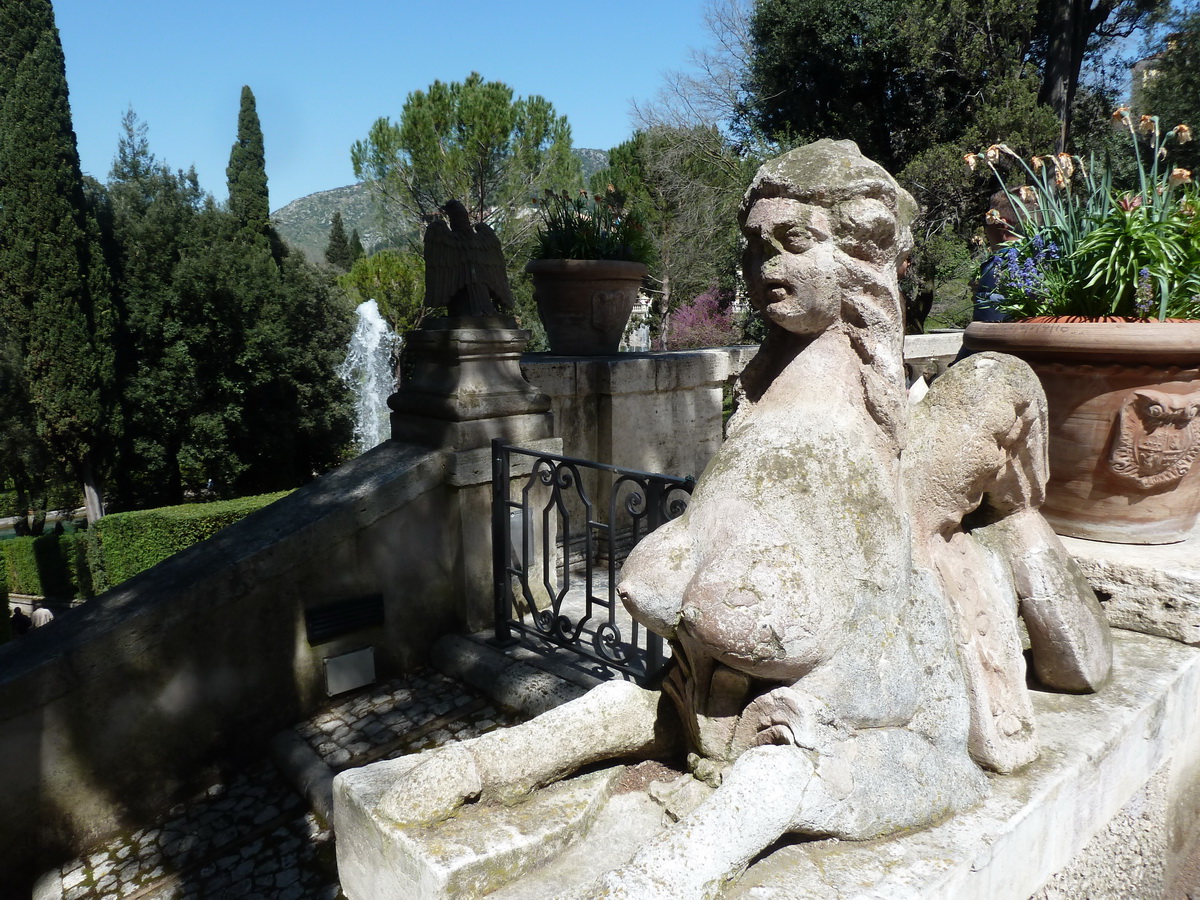
What amazes people is this ingenious "Organ Fountain" device, which has a hydraulically automatic playing pipe organ; every time water sprays, it emits the beautiful rhythmic music of the pipe organ. Even more wonderful is the "Owl Fountain," which makes bird calls when spraying water, like the magic and bewitching in fairy tales. When the owl's head turns, the fountain stops, adding a touch of romantic charm to the natural theater beyond the notes. Besides, there are captivating grottoes, the Sibyl Temple, numerous statues (like an outdoor sculpture park), and dense forests. In this verdant, breathtaking natural theater, the spirit of humanism and the excellent beauty of nature are harmoniously and perfectly displayed, making visitors linger and forget to return.