Wolf Vostell: "Endogenous Depression" Solo Exhibition
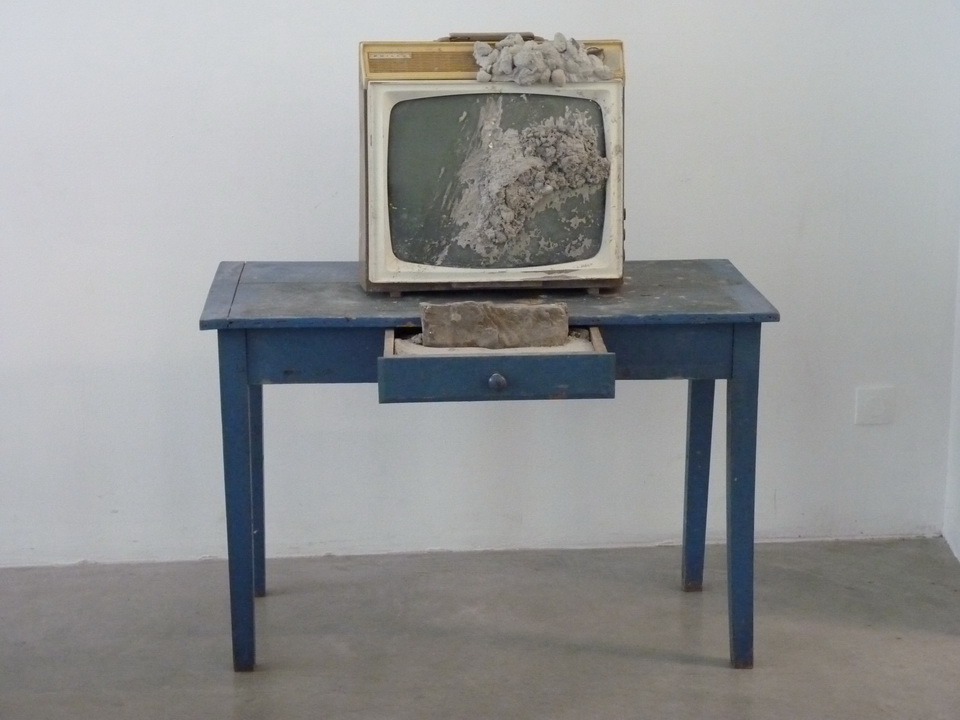
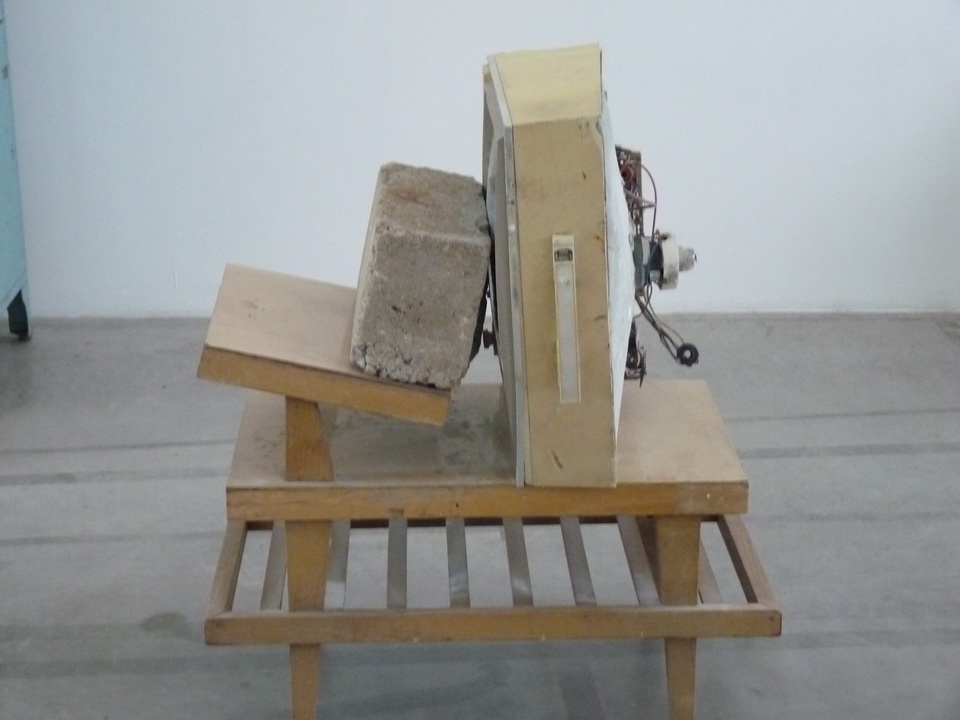
One of the scenes from the "Endogenous Depression" solo exhibition.
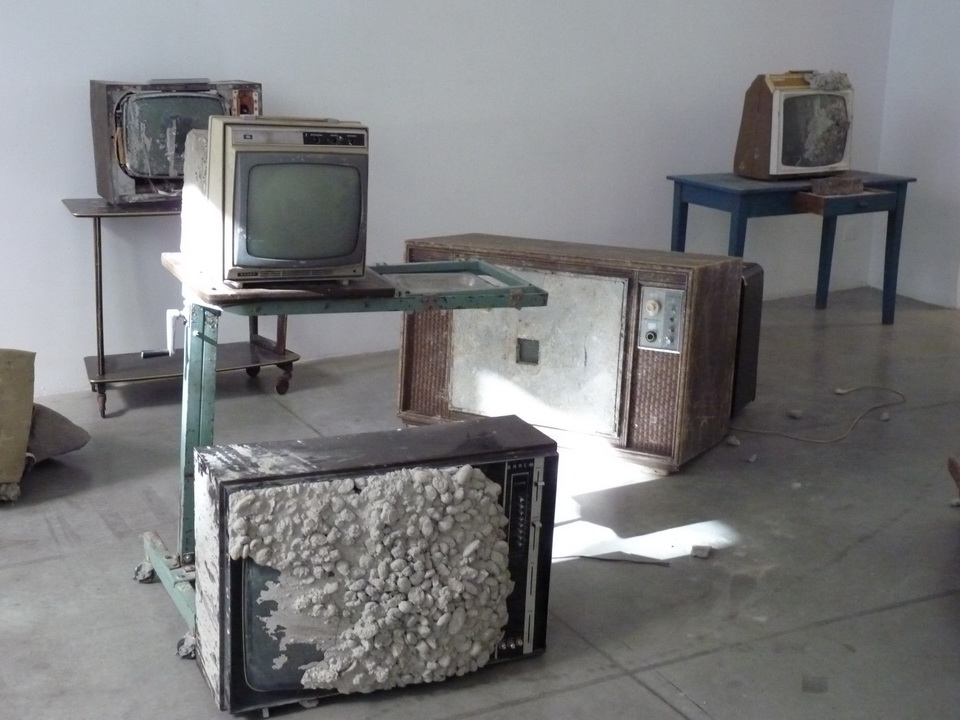
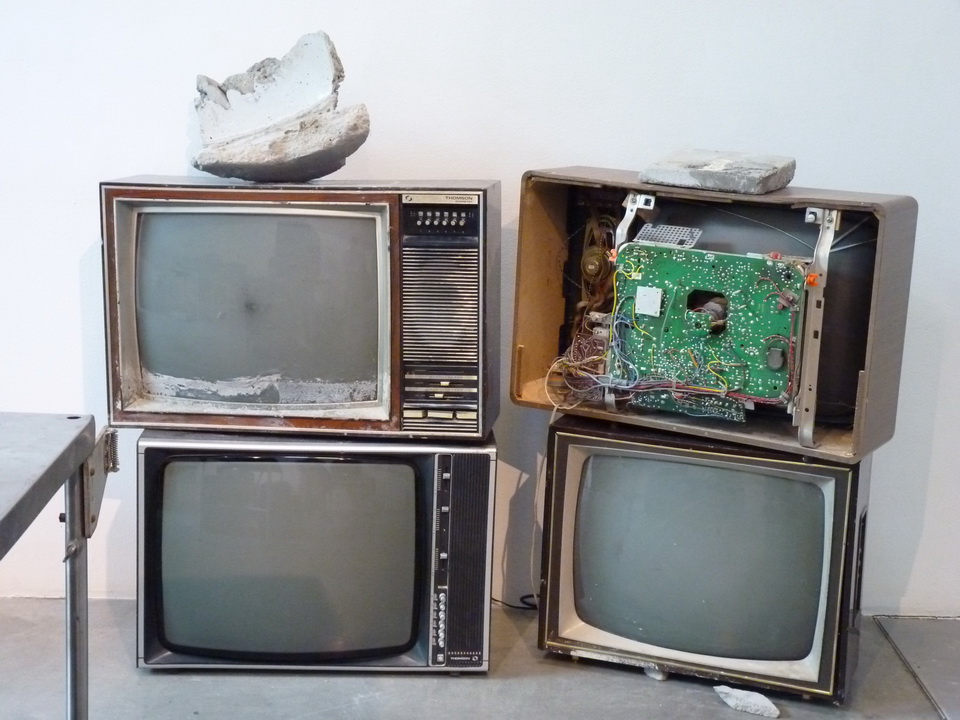
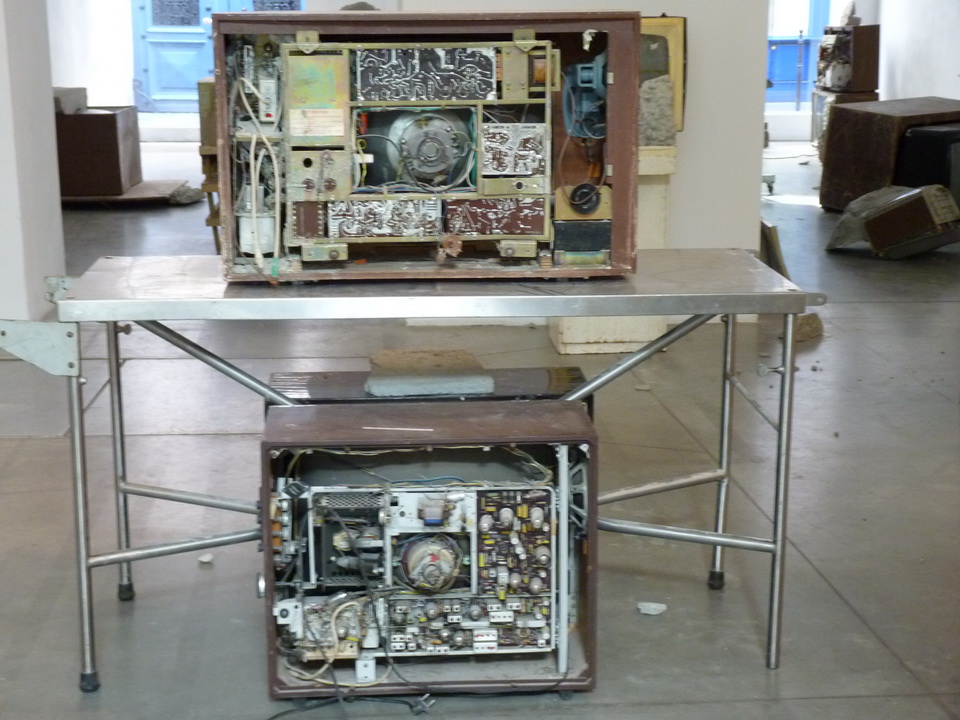
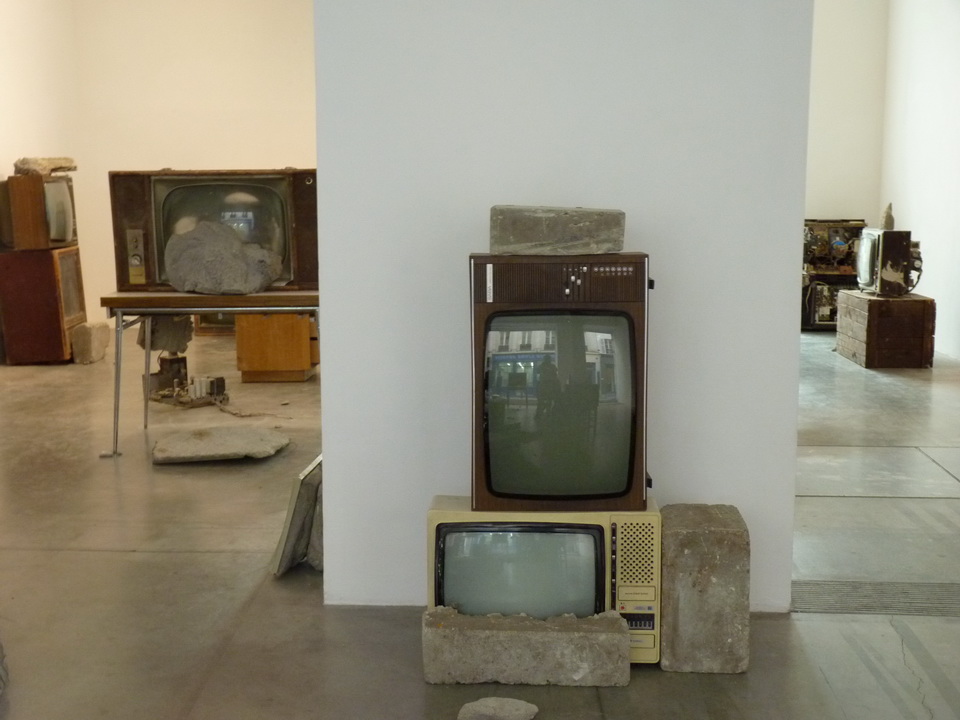
Text and photos by Chen Chi-Hsiang. Venue: Anne de Villepoix Gallery. Dates: September 13 to November 1. Wolf Vostell (1932–1998) and Nam June Paik are pioneers of video art; Vostell was among the first to use television sets as artworks. A veteran of the German art scene, he participated in the international Fluxus avant-garde movement alongside Joseph Beuys and Paik, realizing numerous happenings. He collaborated with Allan Kaprow, Alison Knowles, George Maciunas, Dick Higgins, and Paik. His artistic inquiry focused on the conflict between objects, images, and actions, inviting viewers to reflect on contemporary issues. He joined New York’s “NON” movement, echoing Fluxus’s opposition to the commodification of art, asserting that action in happenings and environmental art holds value beyond price.
Since the 1960s, he used new technologies—video art and imagery of social violence—to depict the traumas of human history and natural civilization, leaning toward political protest and social aesthetics. In the 1980s, he returned to painting, exploring the essence of German Expressionism. Using strong, distorted depictions of women, he reimagined Picasso’s Cubist masterpiece Les Demoiselles d’Avignon through a Vostellian lens, constructing the image in frontal forms against deep gray-blue tones, evoking postmodern resurrection and lingering sentimentality.
The monumental video TV space installation Endogenous Depression was first seen by me at the 1984 “Flash” exhibition at the Musée Municipal d’Art Moderne de la Ville de Paris. Originally created in 1975 at the Kunsthalle Hannover, it exists in nine spatial versions. The version at Anne de Villepoix Gallery comprises over forty objects: tables, shelves, and numerous vacuum-tube black-and-white televisions. Arranged like a traditional home, many TVs are dismantled, some screens filled with cement or smashed by concrete bricks, scattered haphazardly on tables, shelves, or the floor. About ten still display images. There are no turkeys or dogs in this version.
The version I saw in 1984 featured turkeys enclosed by wire mesh among upright and upside-down TVs, some displaying images, others not. The chaotic scene, littered with droppings, strongly metaphorized and satirized humanity’s plight under television civilization—clinging to screens, confined within narrow cages. The turkey version dates to 1980 at the Museum of Contemporary Art, Los Angeles, where all TVs were on, emitting faint sounds. Another version featured dogs, conveying a sharp critique of contemporary society: passive and sleeping beneath floating images, living unconsciously. This work retains its critical significance in today’s internet age.