Encountering Oneself in the Mirror
Key quotations on the mirror and personal reflections
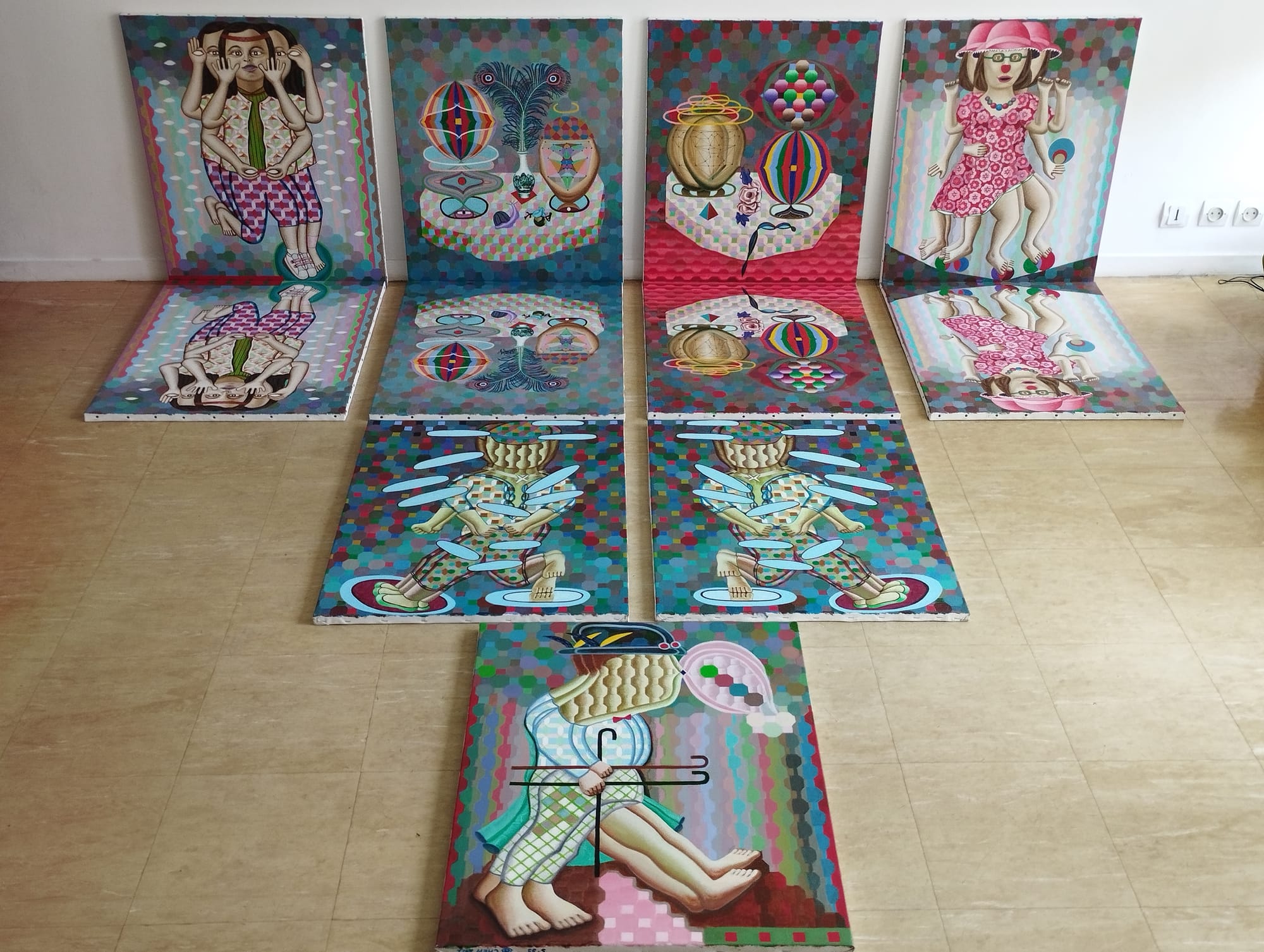
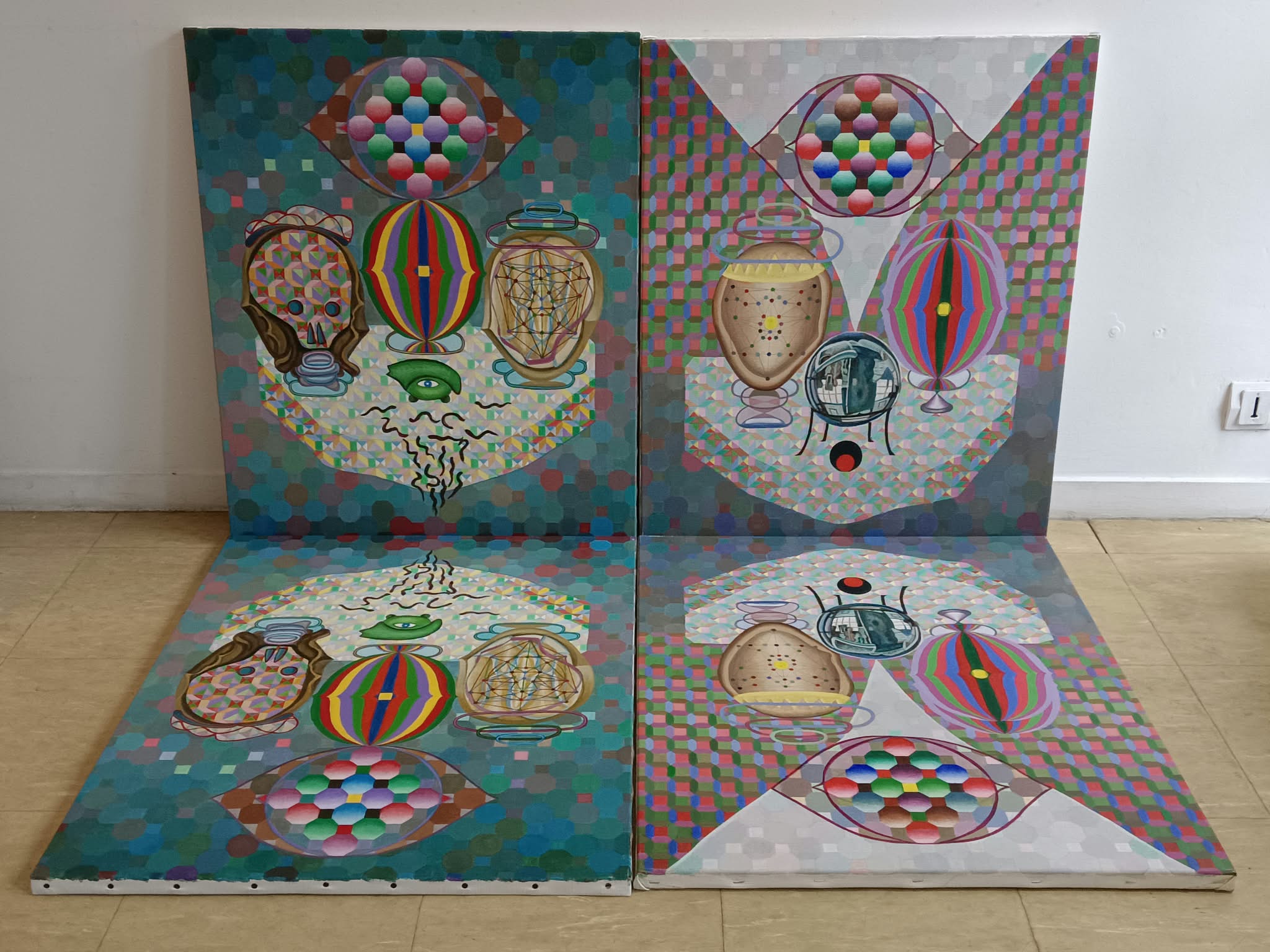
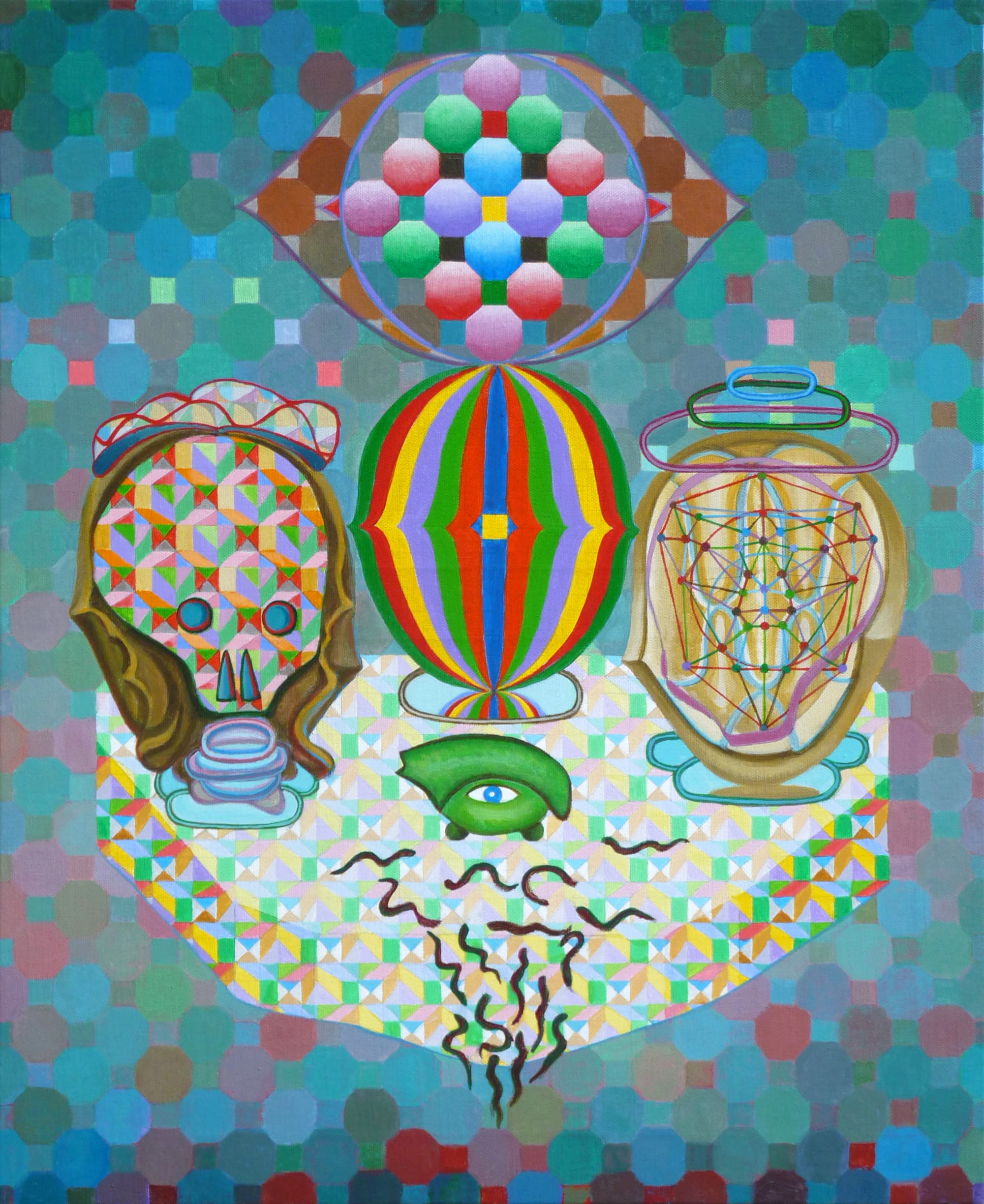
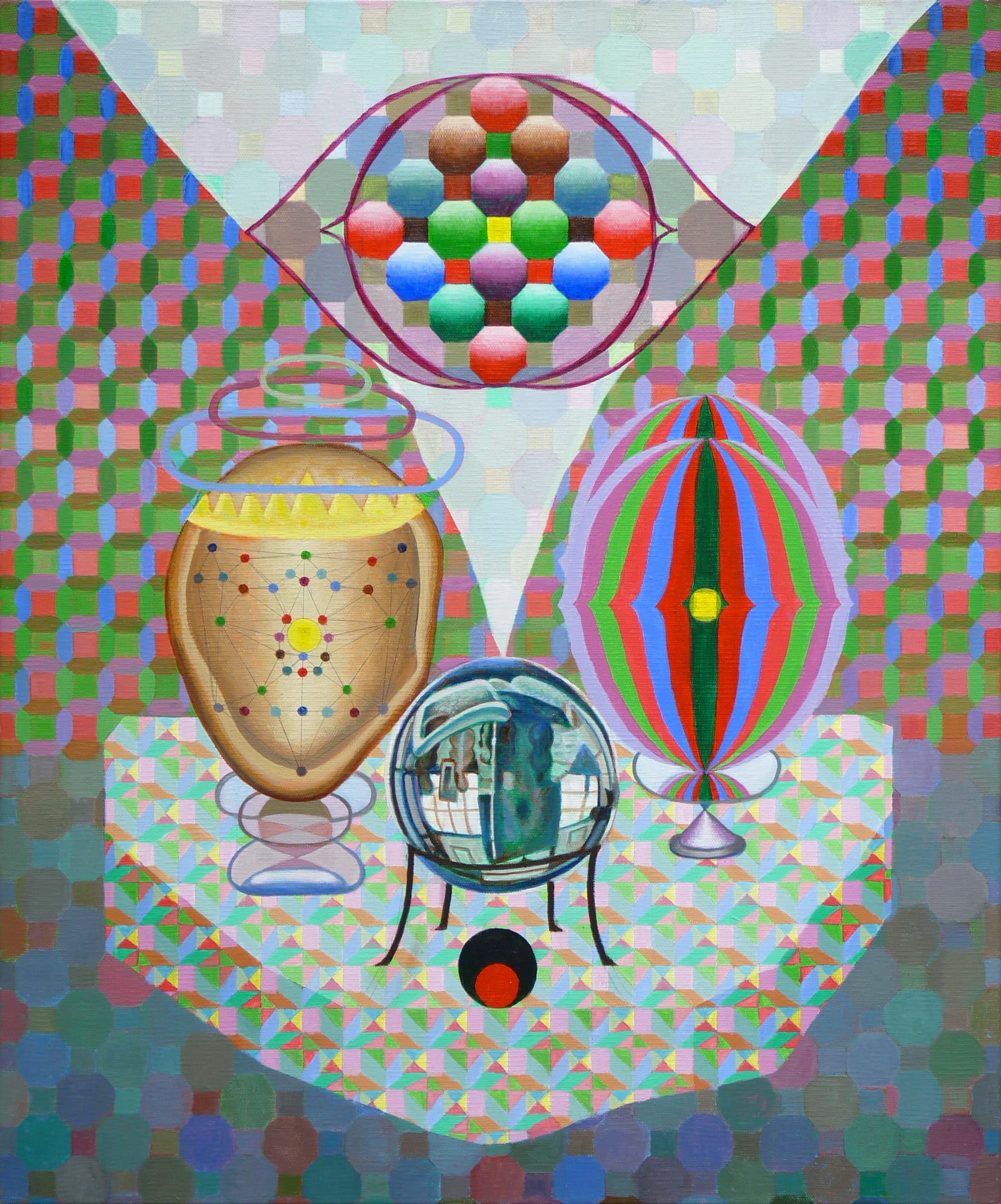
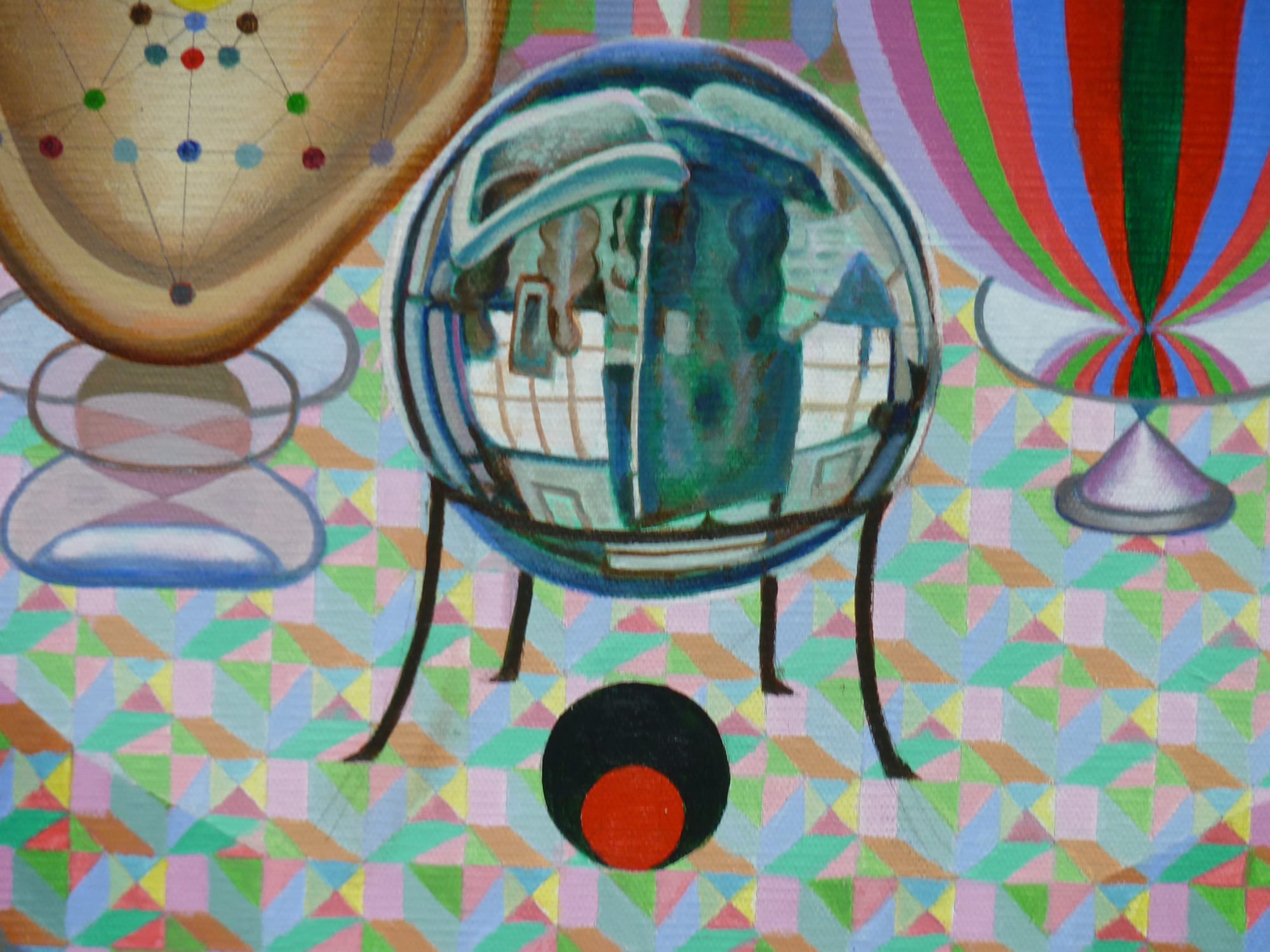
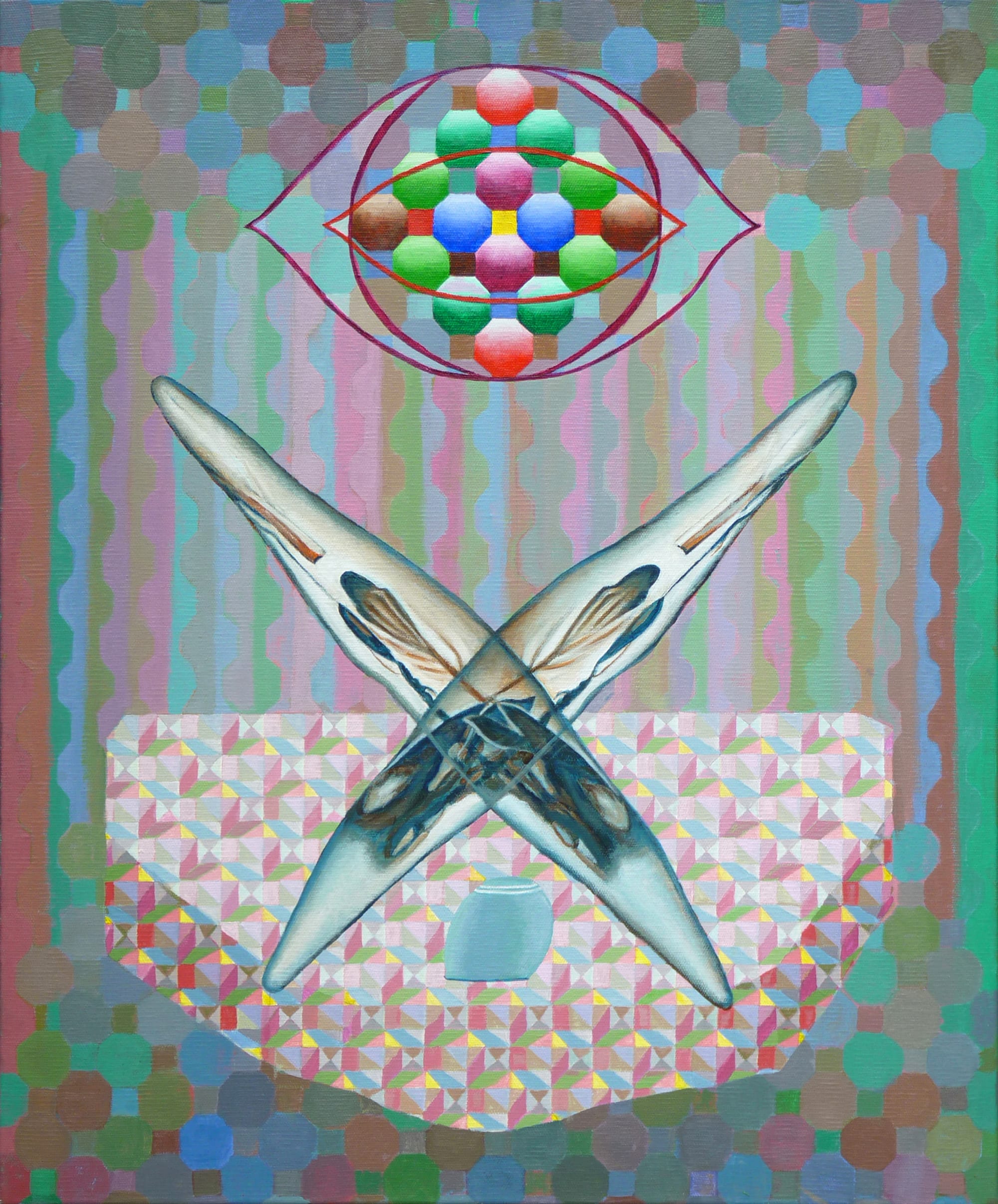
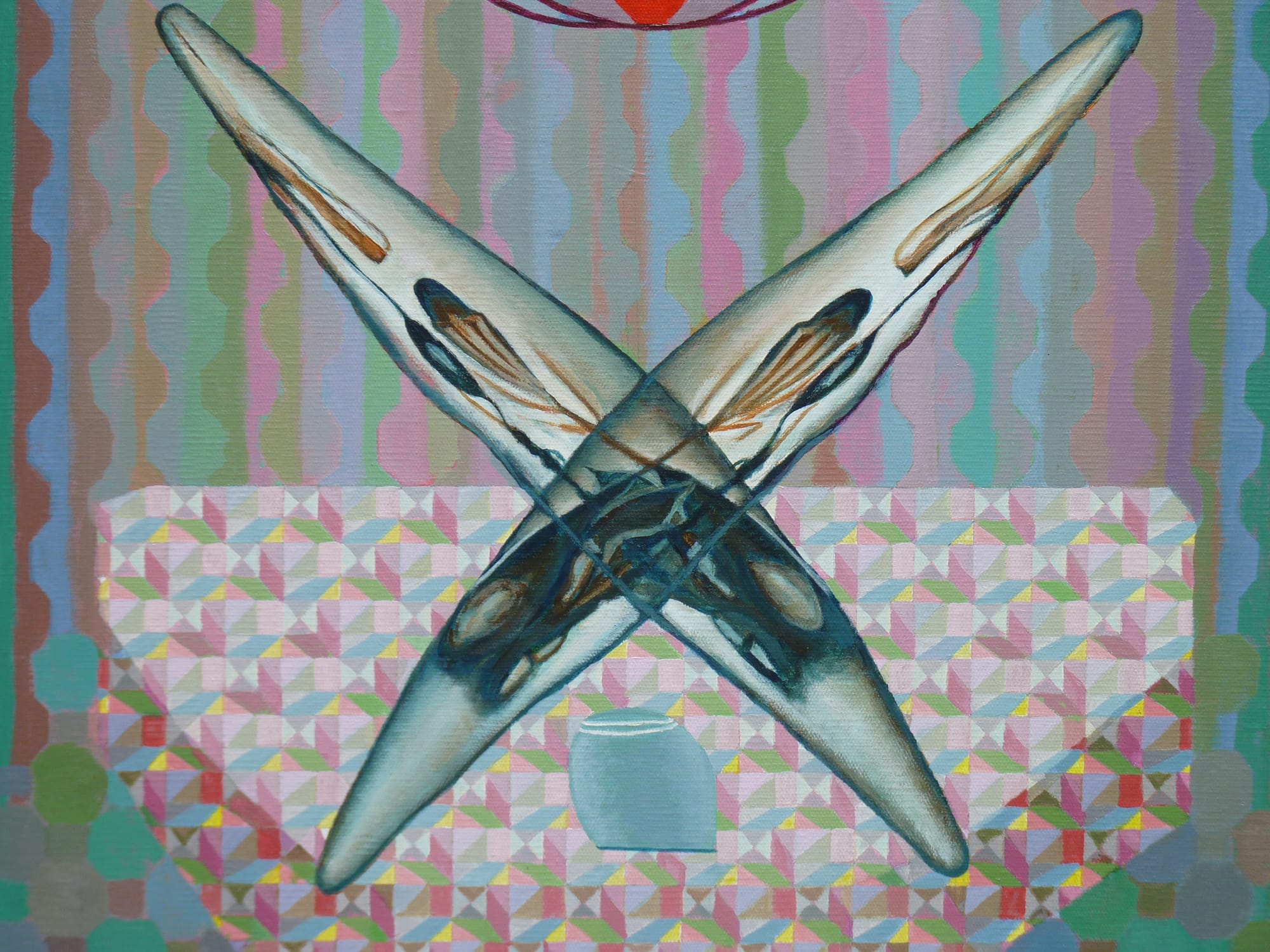
Text and images / Chen Chi-Hsiang (Titien Chen)
In his famous "Mirror Stage," Jacques Lacan "proposed the reflection in the mirror as the so-called 'matrice de symbolique' (matrix of the symbolic), which arises from people's need for identification. Through the mirror's reflection, the process of 'forming the "I"' leads to the discovery of the 'inner' self and the 'outer' self." 【Note 1】
Michel Foucault wrote in "Utopian Body": "In the mirror, I am nowhere, I am in an unreal space that lies almost behind the surface; I am there, there where I am an visible shadow to myself, allowing me to observe the situation I am in." — Lecture "Other Spaces," 1967 (Published in Dits et Écrits, 1978)
"Life is nature, the external is an extension of the internal, or more precisely, the internal and external are one body, without definable limits, just as a shadow follows an object, time intertwines with space, space itself is time, substance combines with emptiness, truth has no form, yet is present in all forms.... From image to painting, it is clear that what is sought is neither the image nor the painting. It is, of course, to observe the realm and survey the mind, or to observe perception and survey the realm, by means of the image or painting, evoking a deeper consciousness through the material form or presenting that state of conscious awareness. From the realm, one observes the artist's state of mind; while surveying the realm, one perceives the original appearance and true face of life."
Carl G. Jung, in his final work Man and His Symbols, quotes the famous Italian "Metaphysical Painting" artist Giorgio de Chirico: "Every object has two aspects: the common one—which we see generally and which is seen by everyone; and the ghostly, metaphysical one—which only rare individuals may see in moments of clairvoyance and metaphysical abstraction. A work of art must narrate something that does not appear within its outline." 【Note 2】
As it is also said in The Little Prince: "It is only with the heart that one can see rightly; what is essential is invisible to the eye."
【Note 1】The Mirror: A History, Sabine Melchior-Bonnet, translated by Yu Shu-Juan, Taipei, Blue Whale Publishing Co., Ltd., 2002, pp. 22-24
【Note 2】Man and His Symbols, edited by Carl G. Jung, translated by Gong Zhuo-Jun, Taipei, Li Xu, 1999, p. 324